
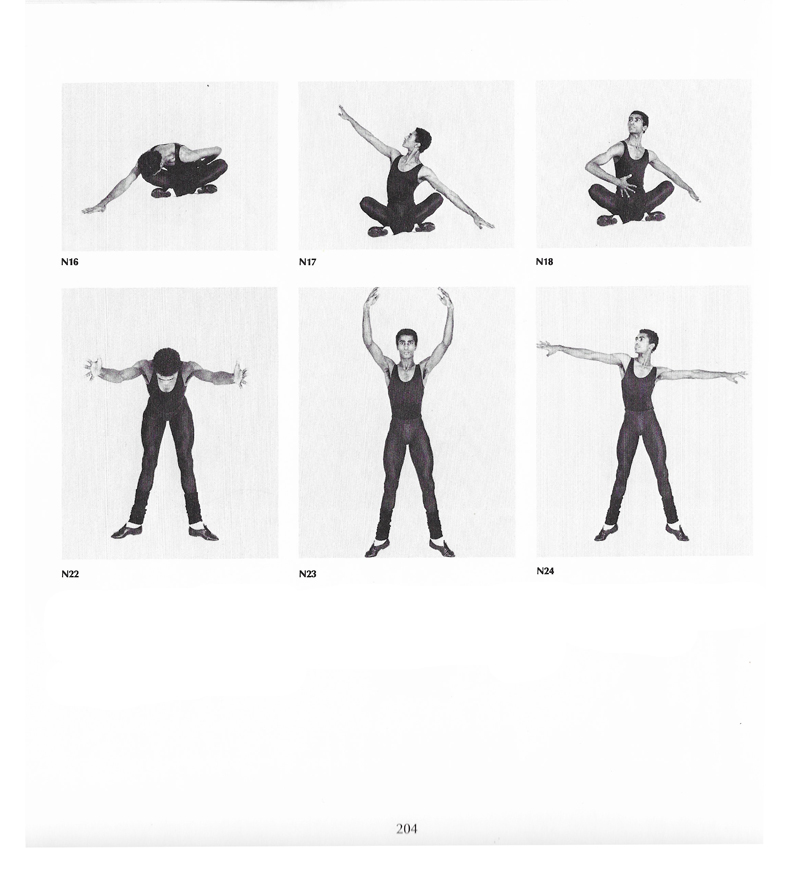
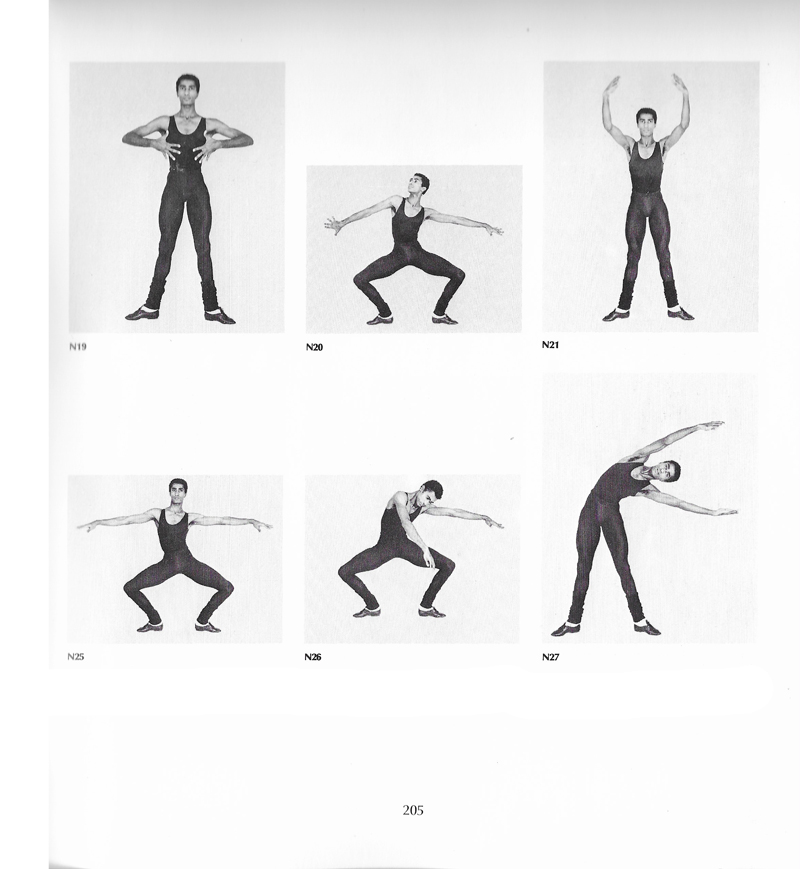
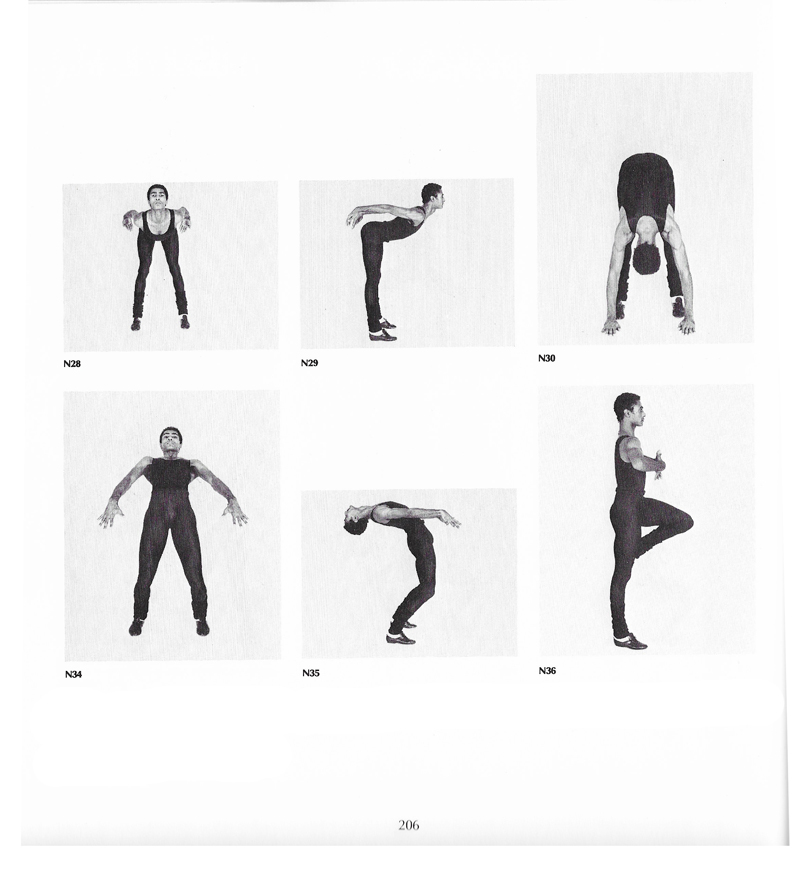
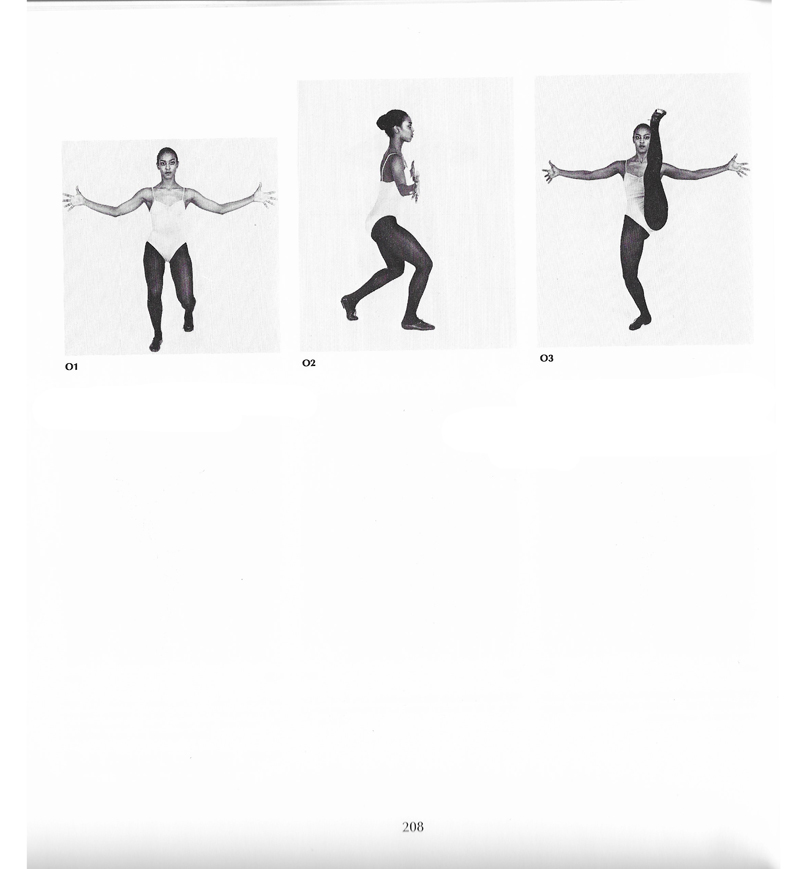
DANCE JAZZ BASED ON LUIGI TECHNIQUE
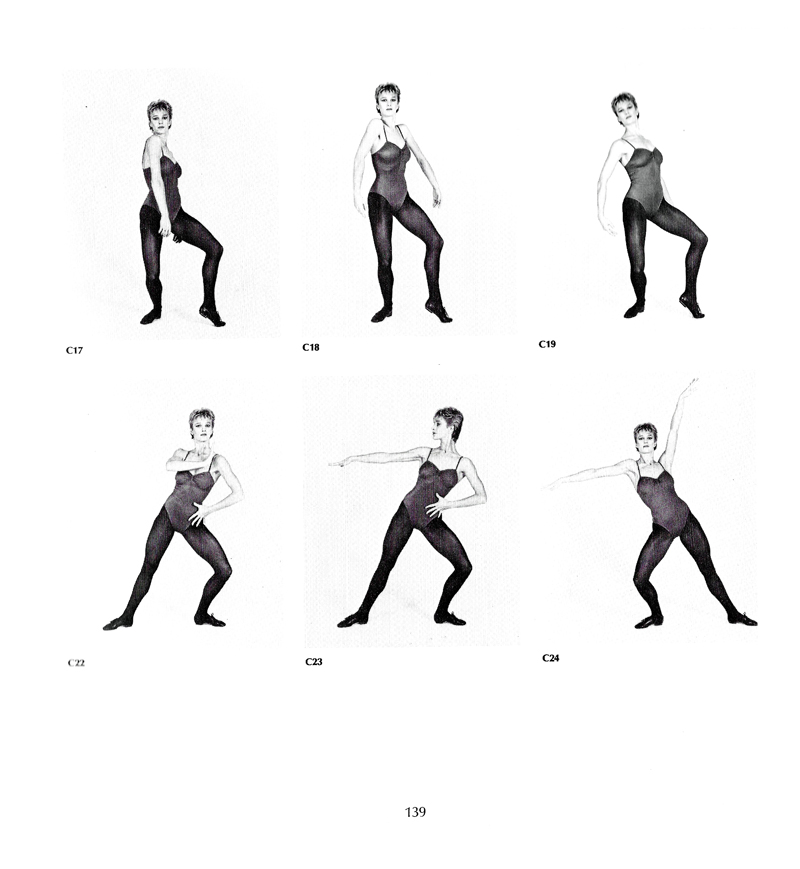
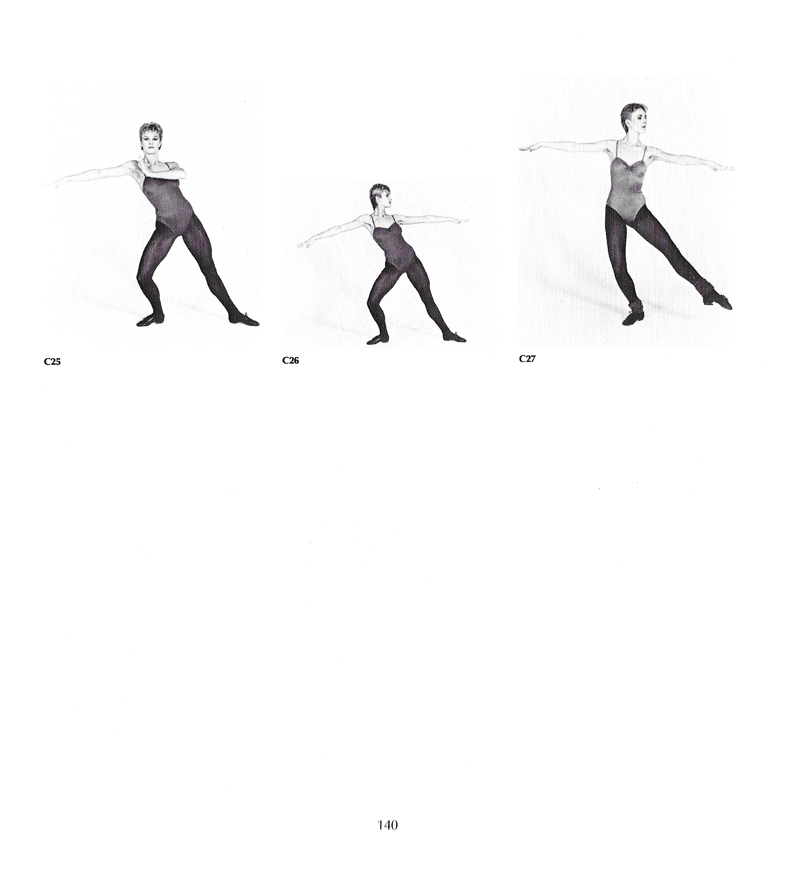
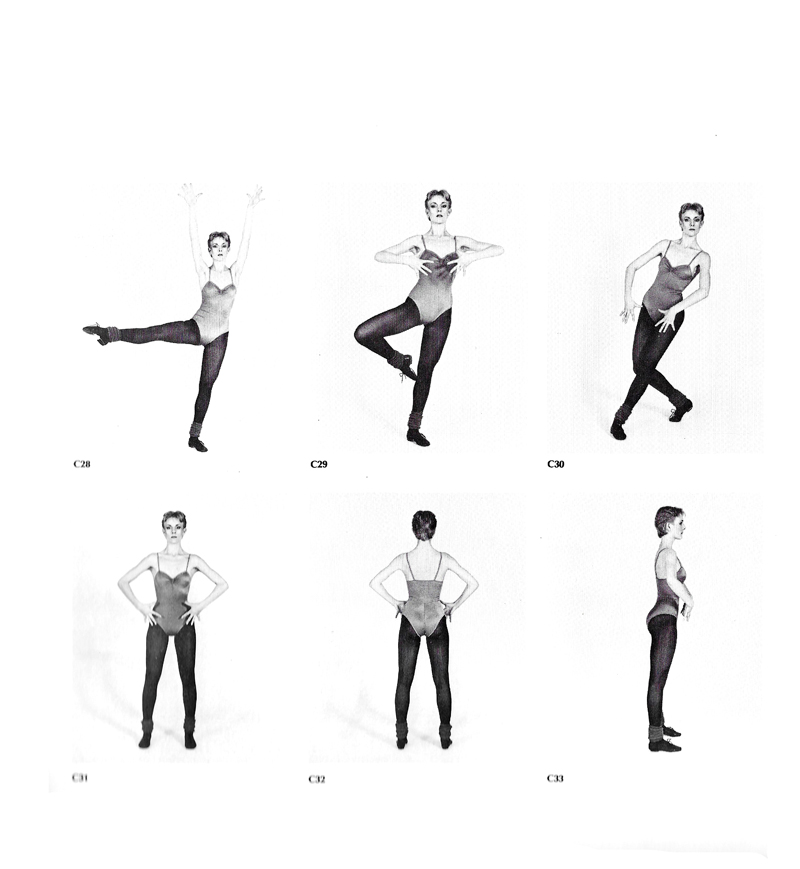
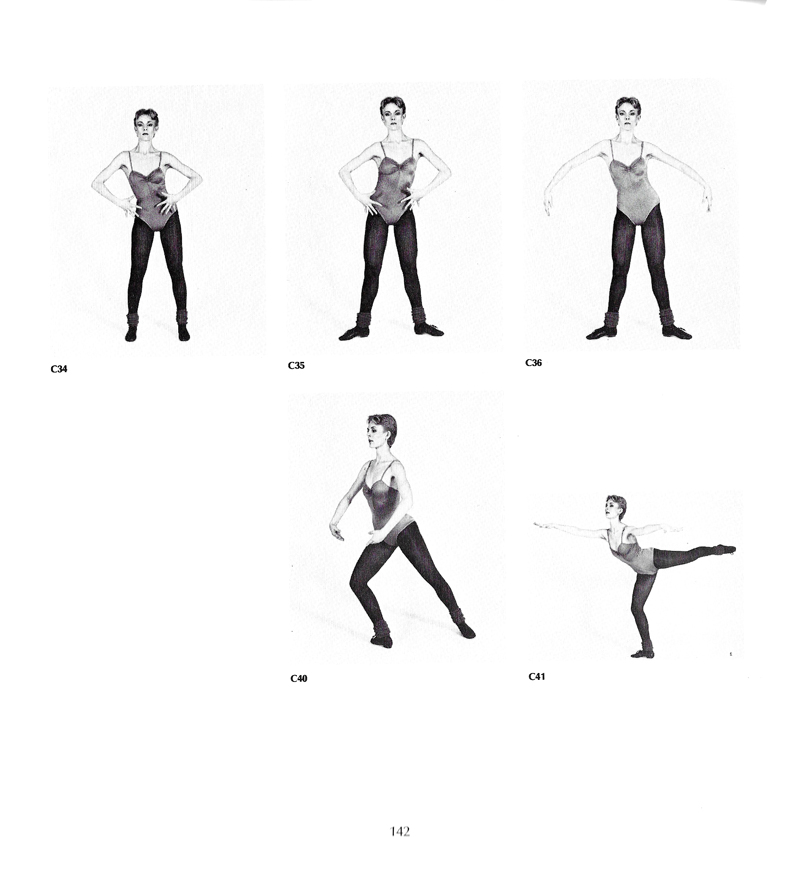
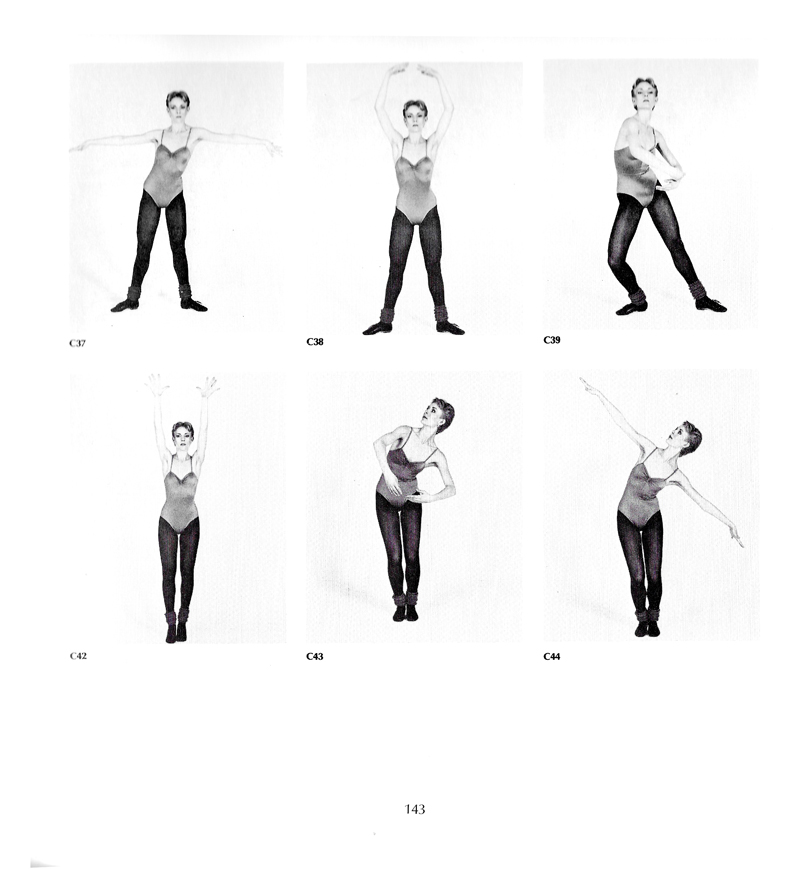
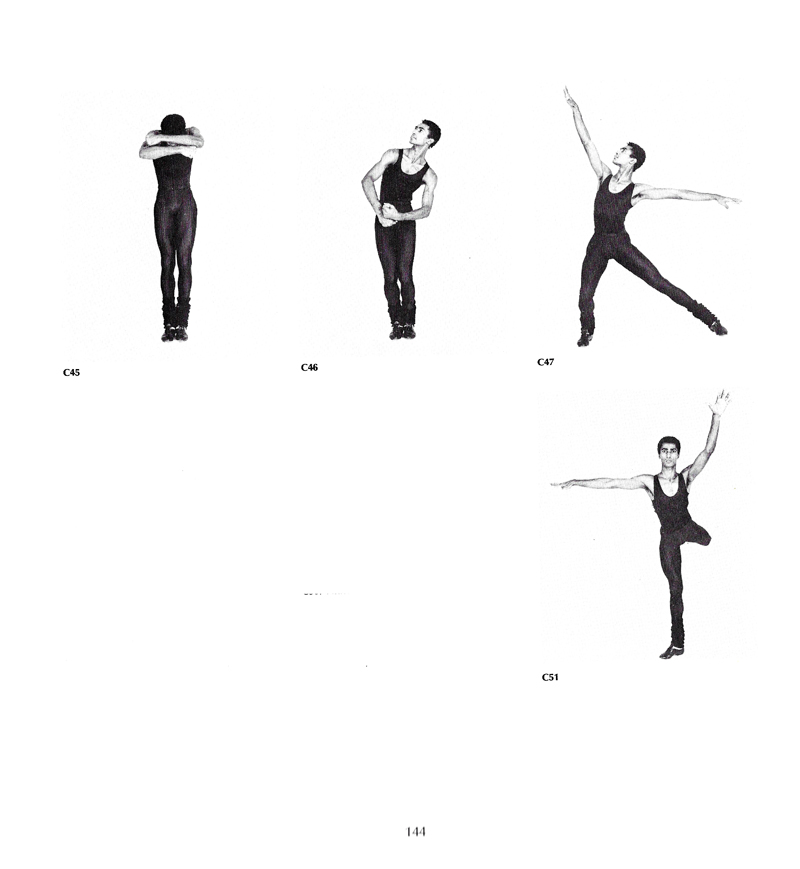
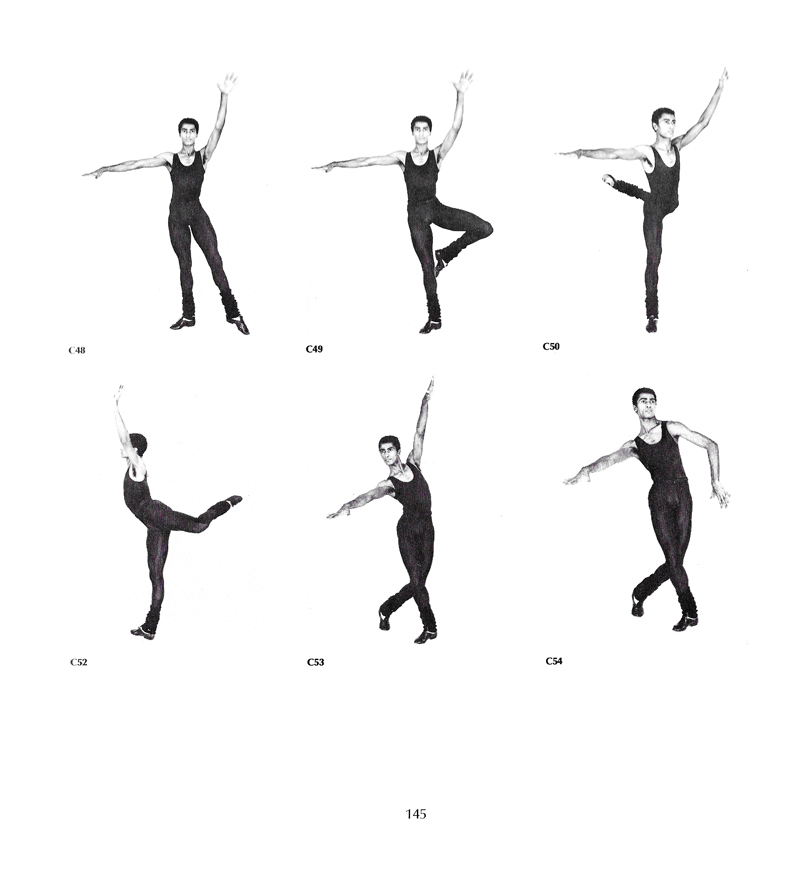
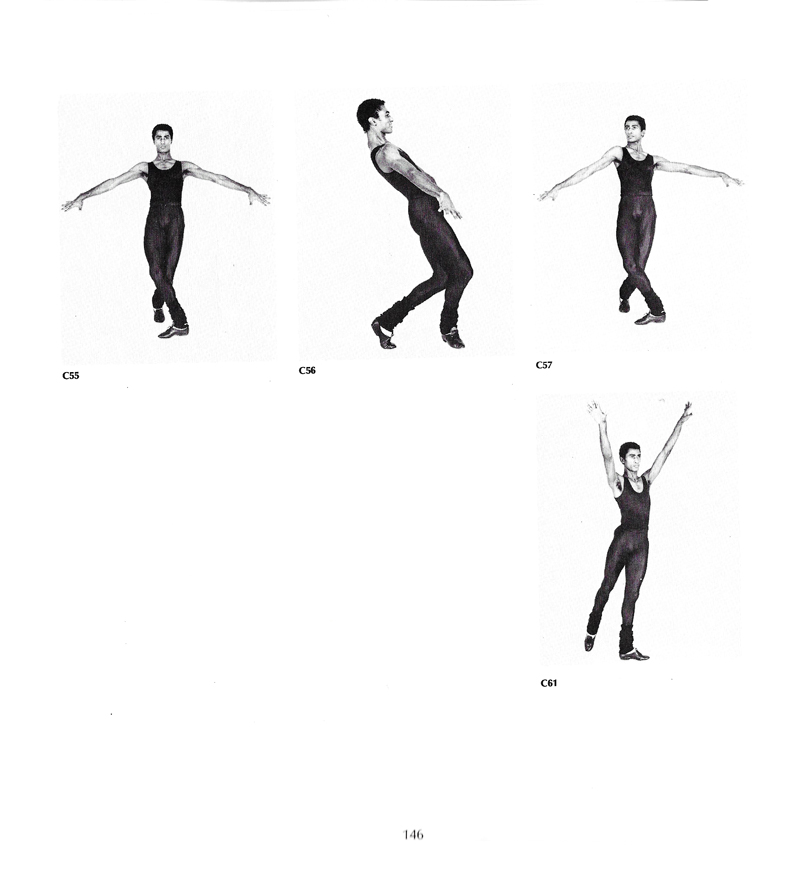
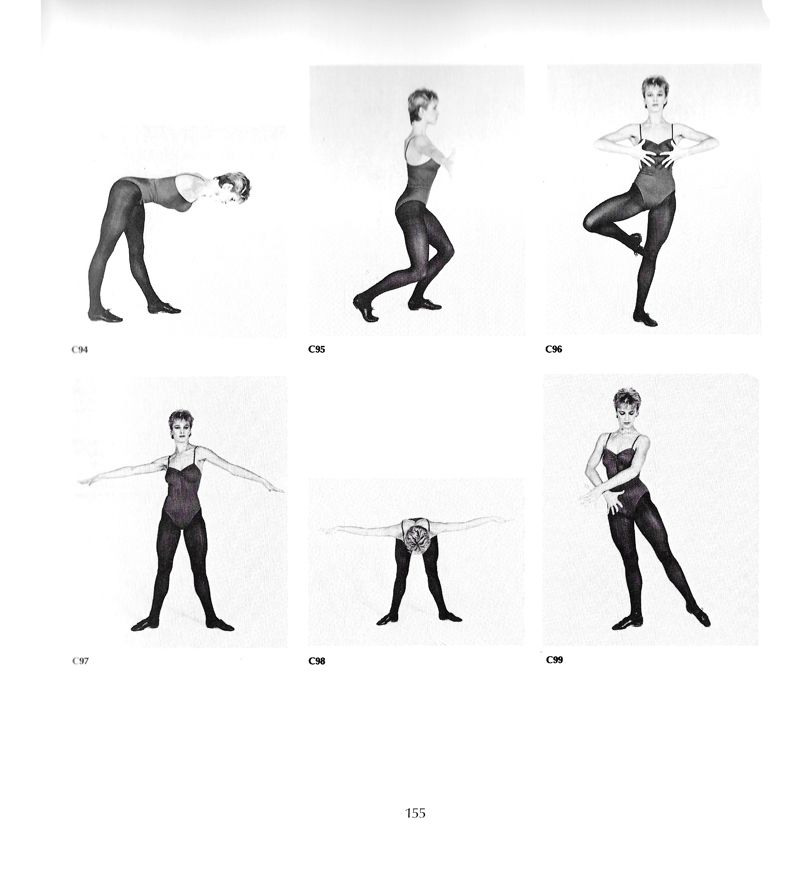
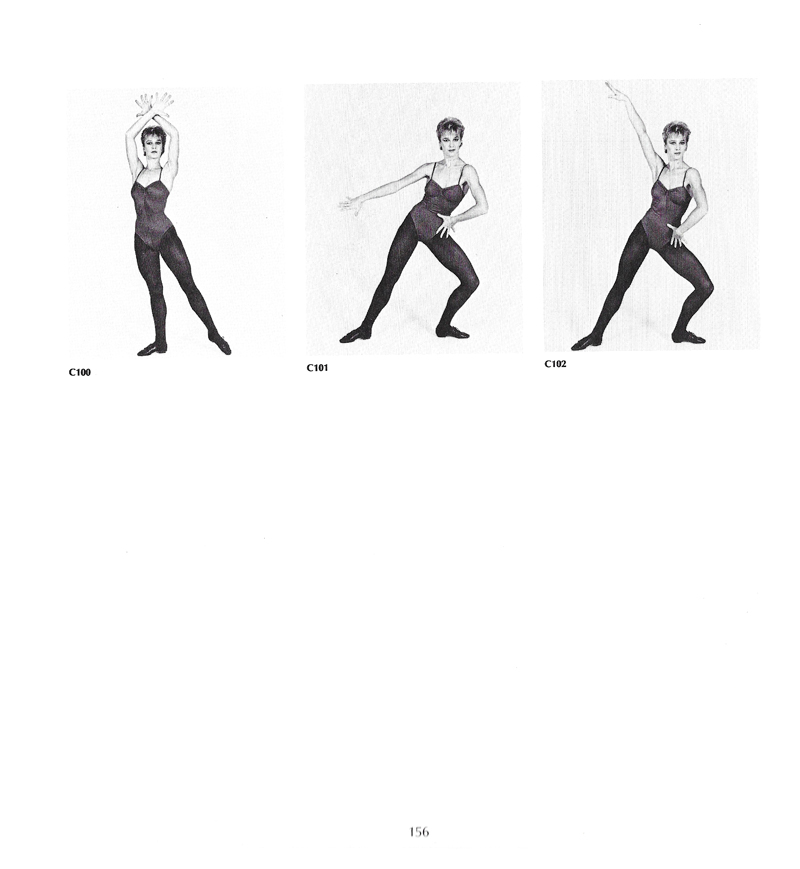
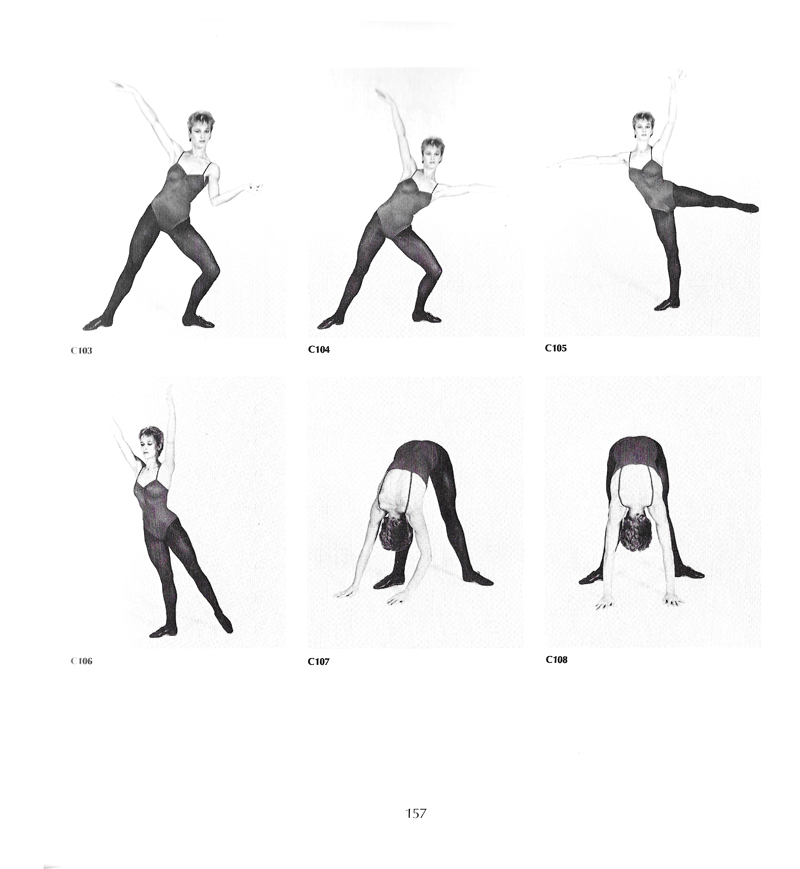
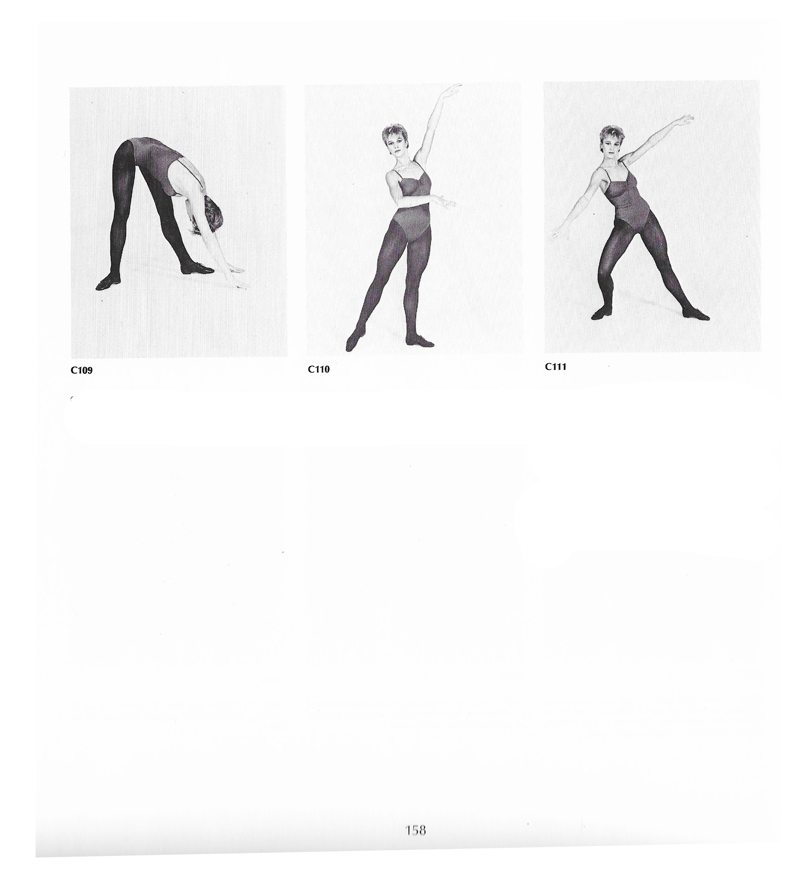
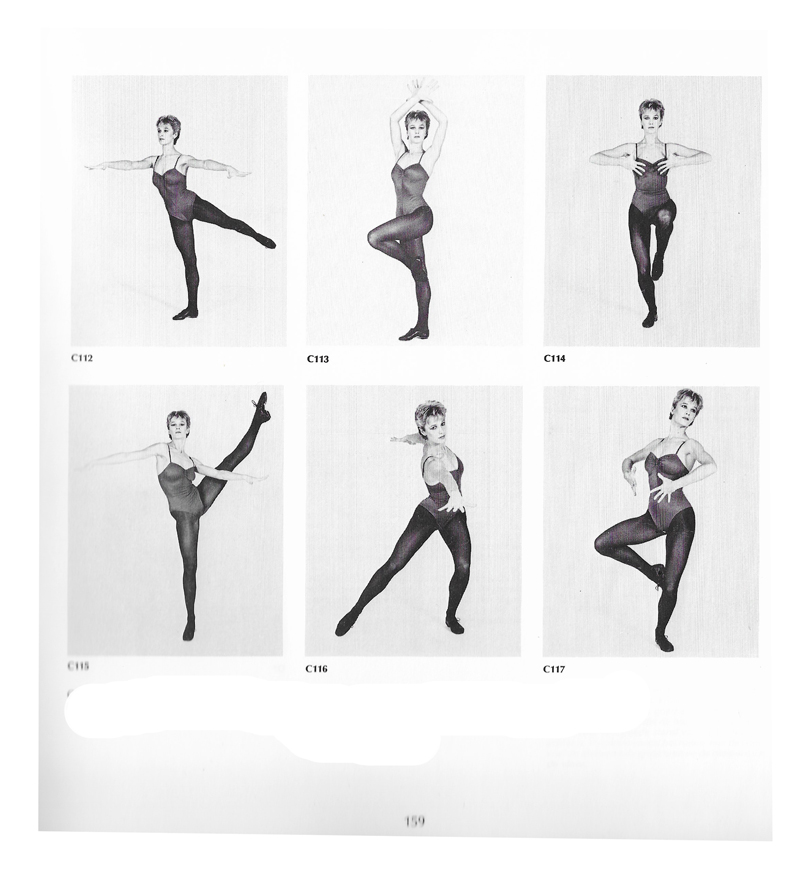
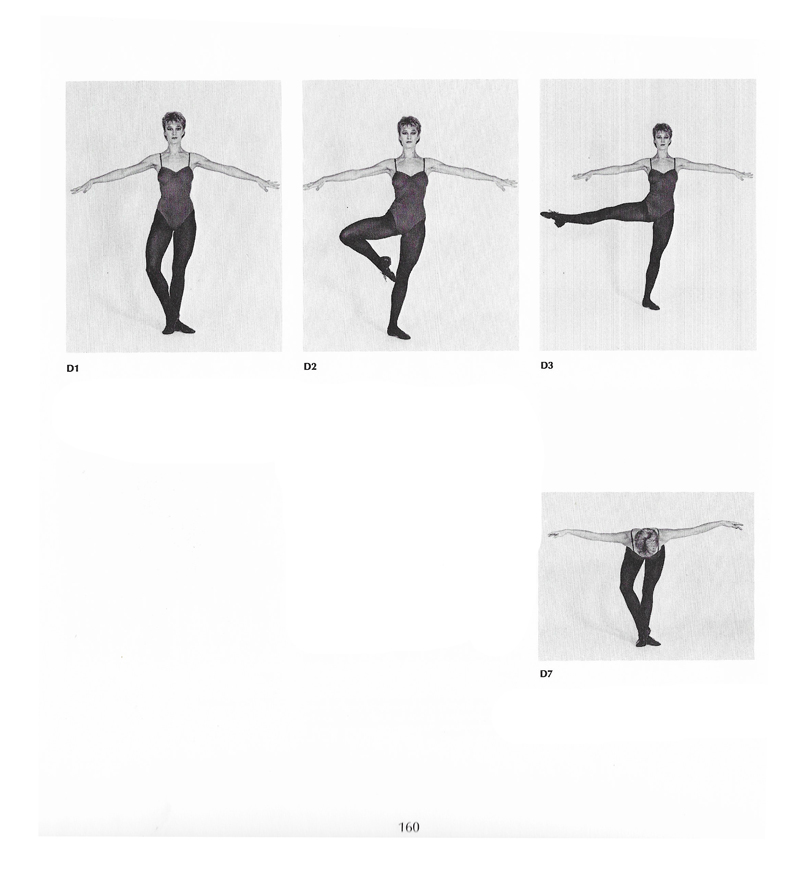
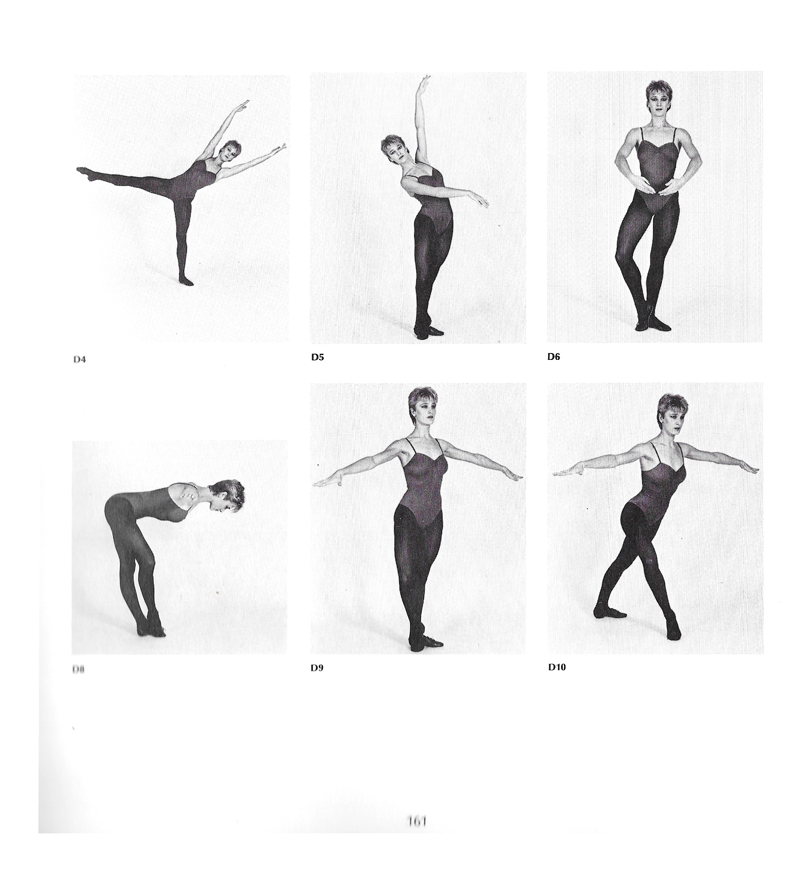
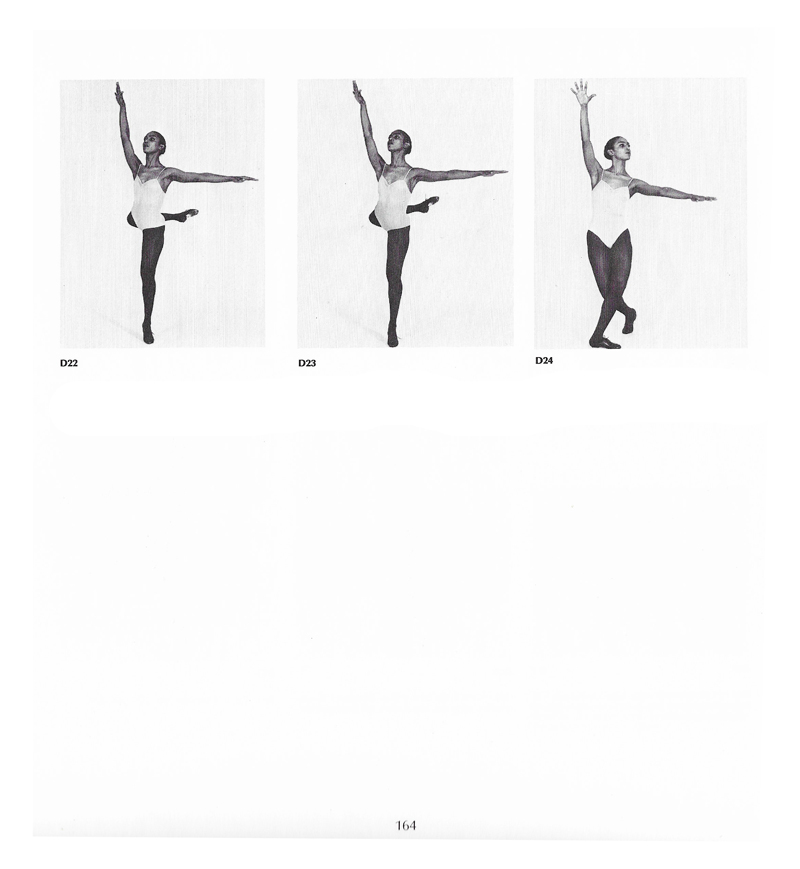
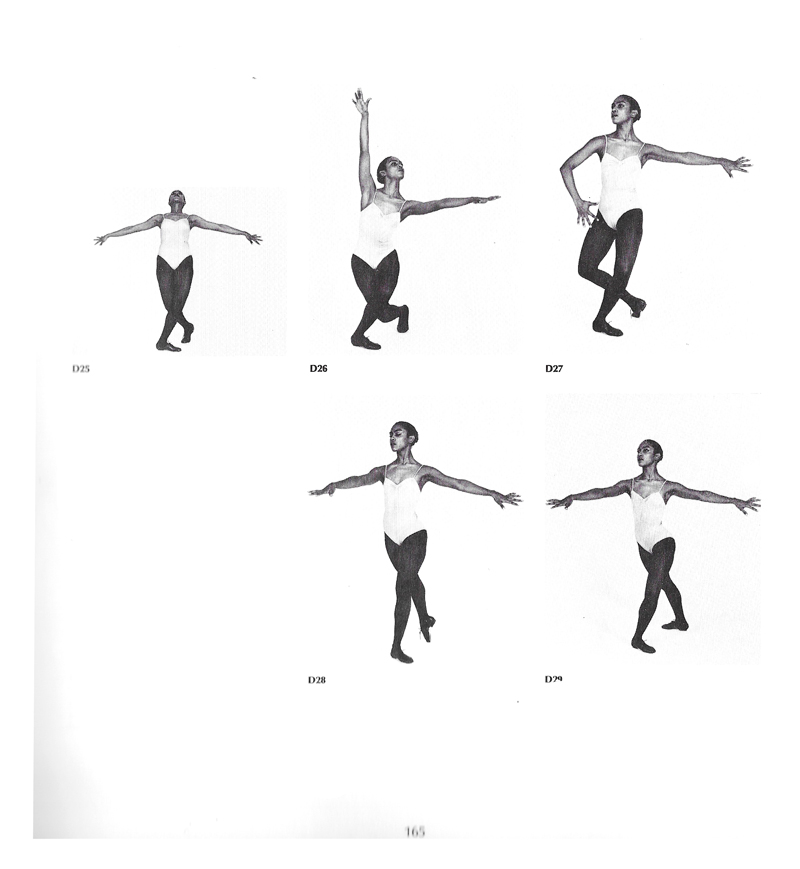
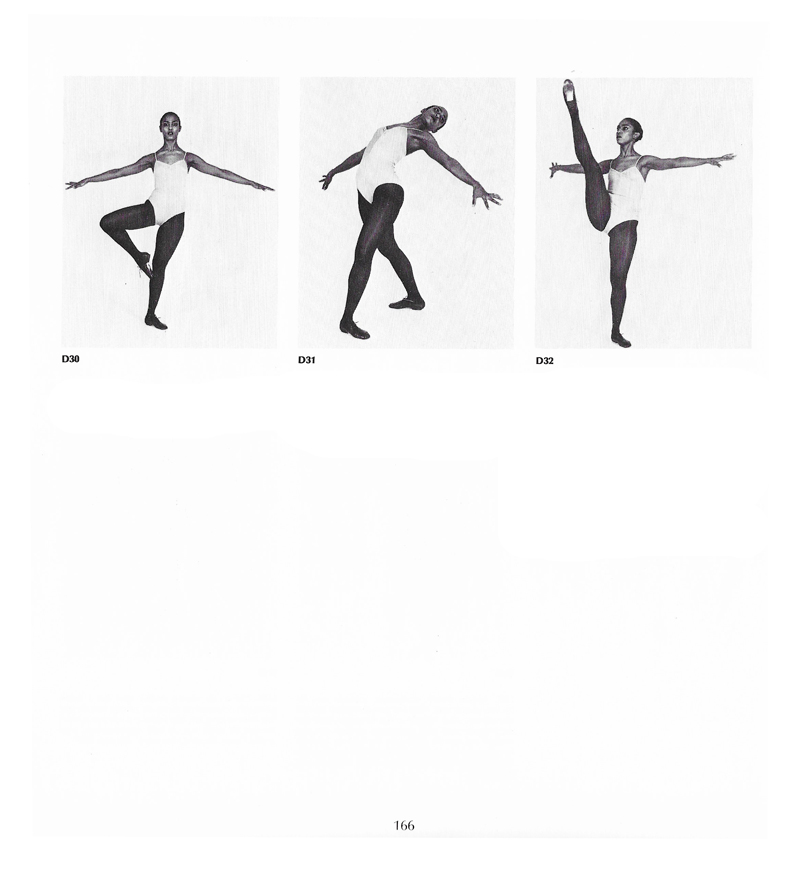
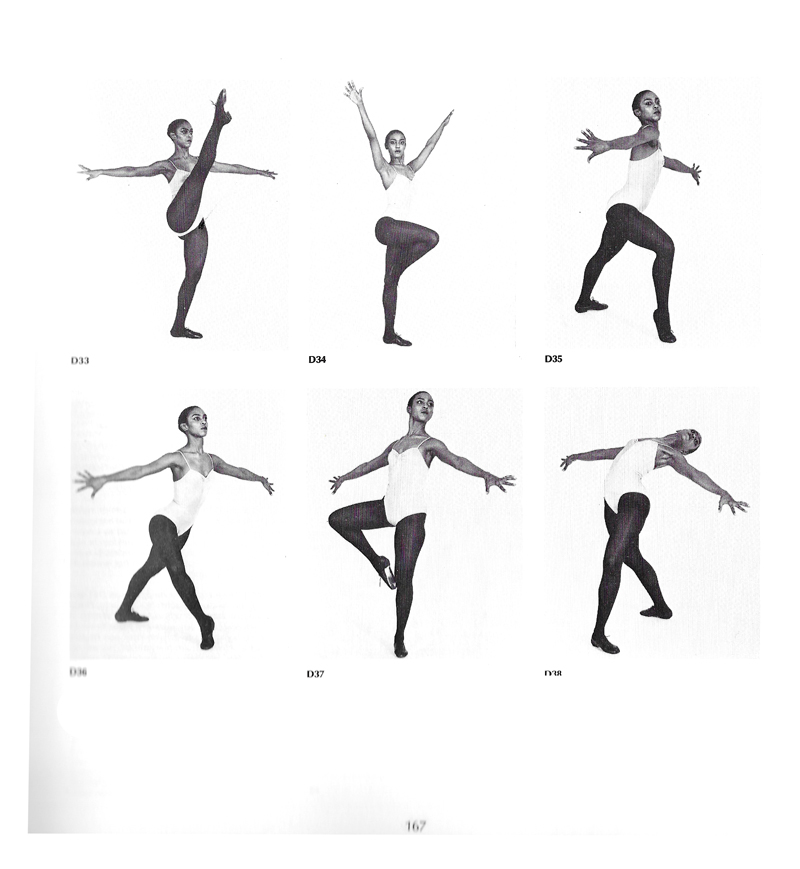
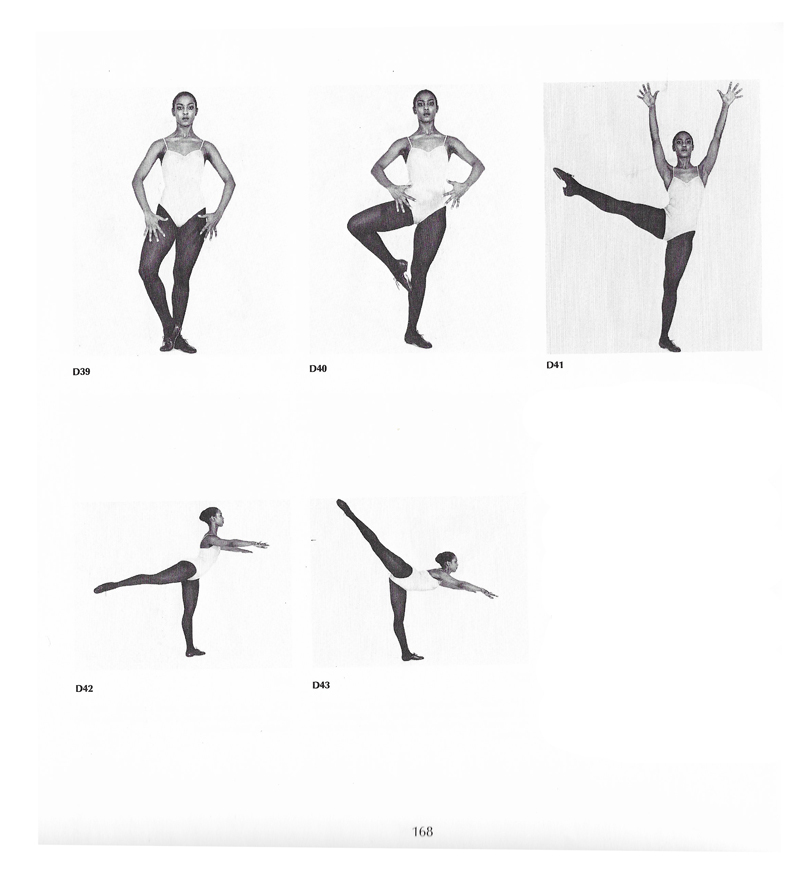
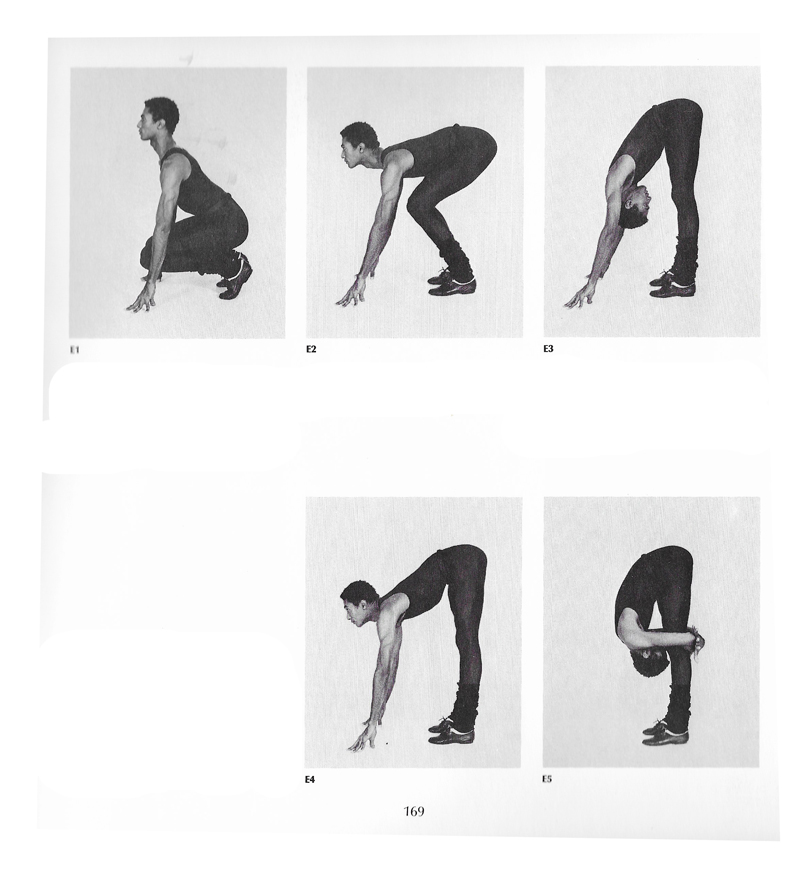
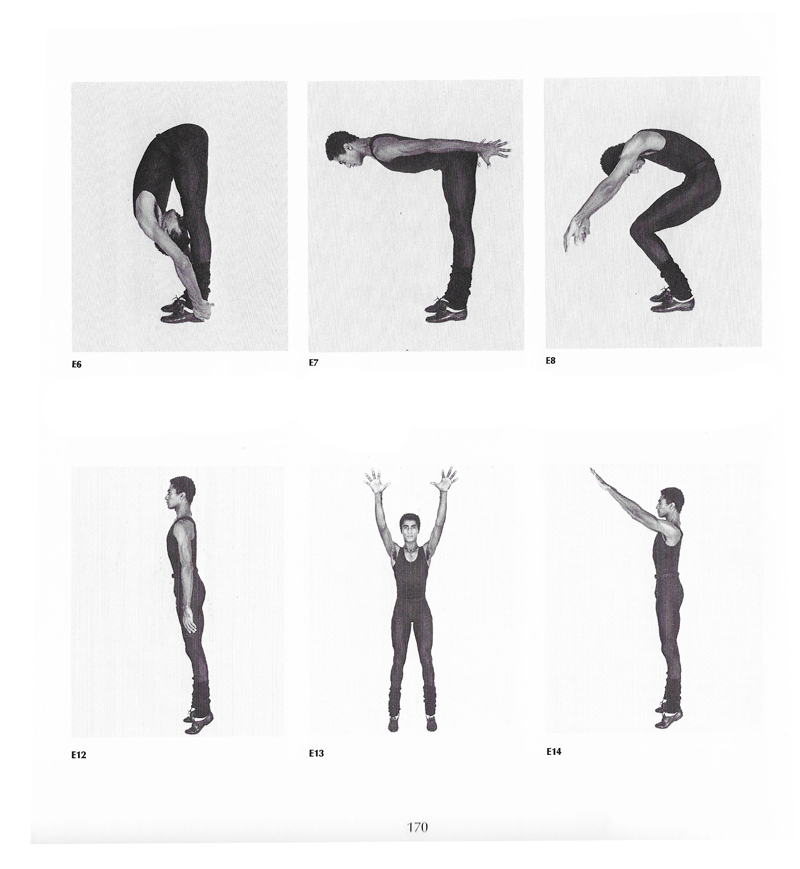
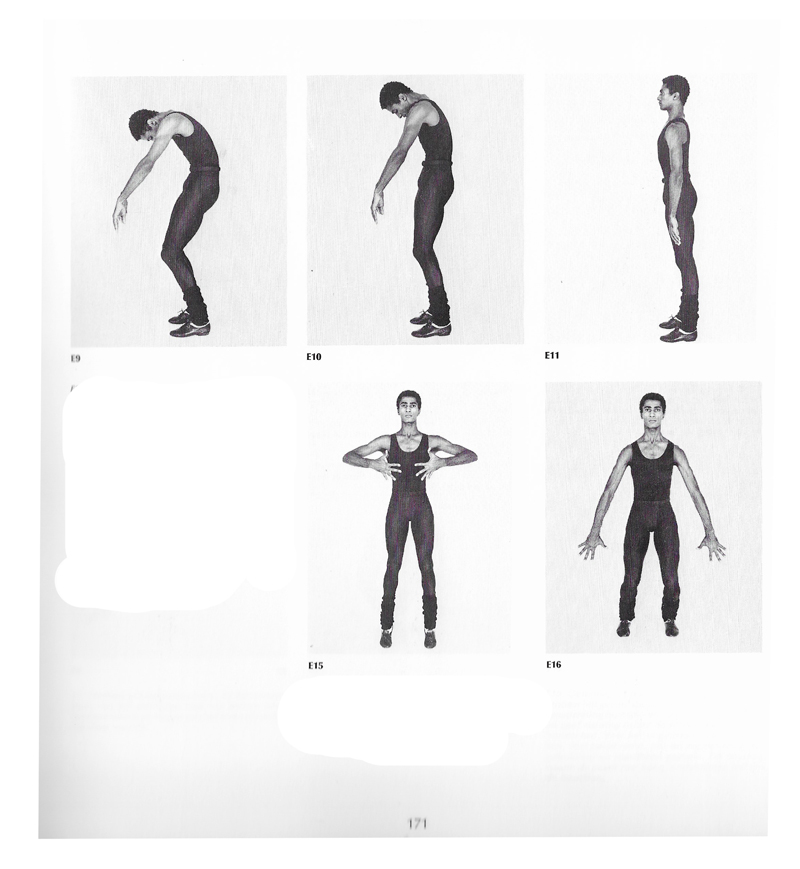
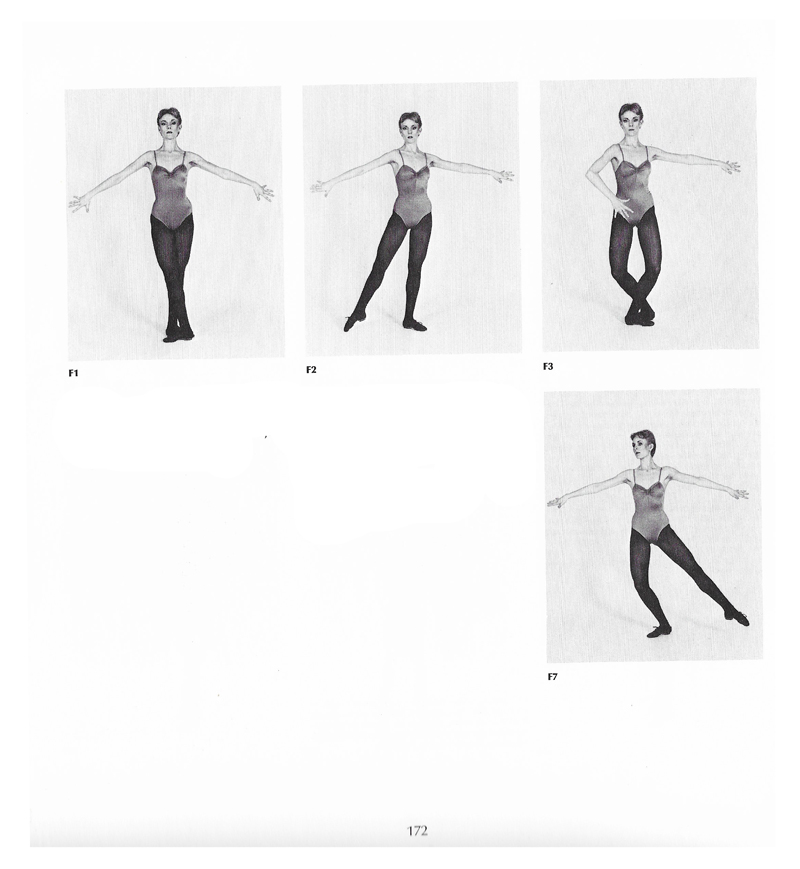
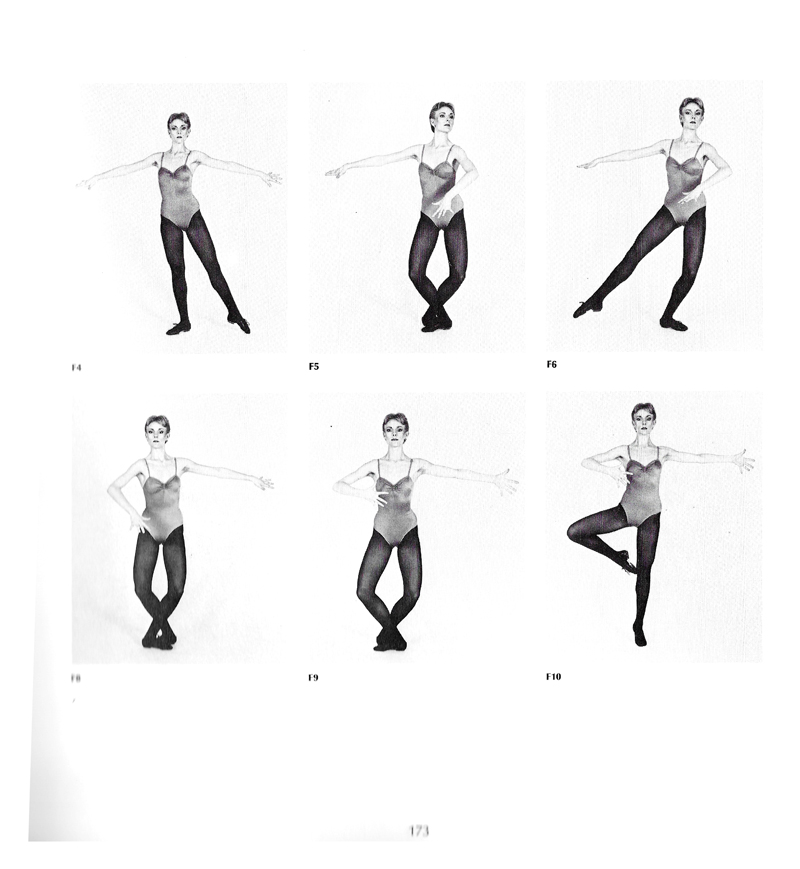
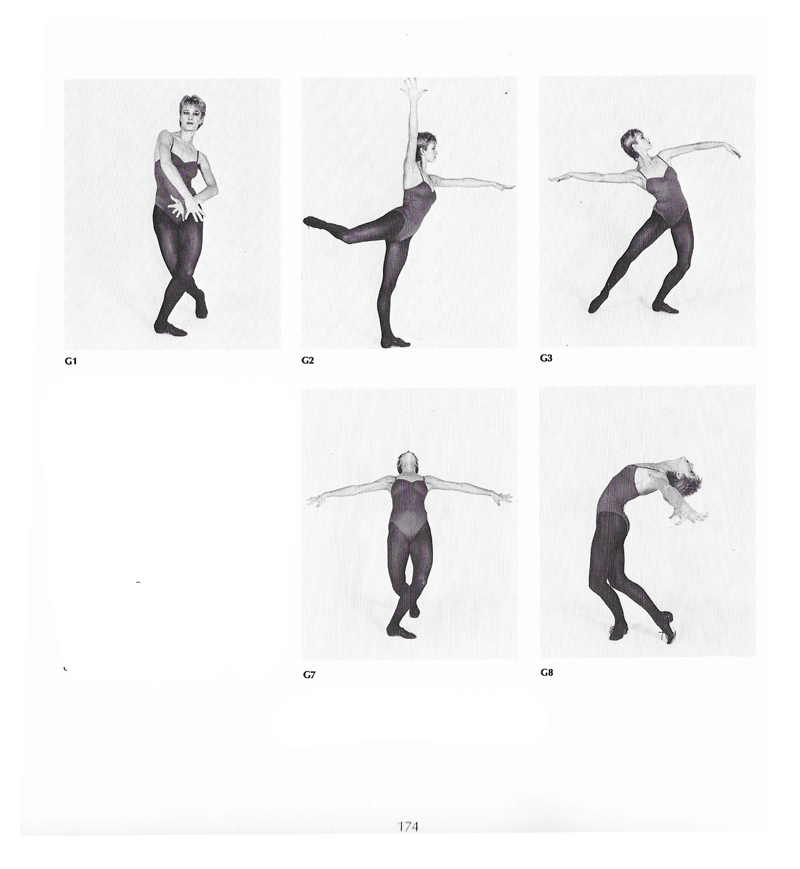
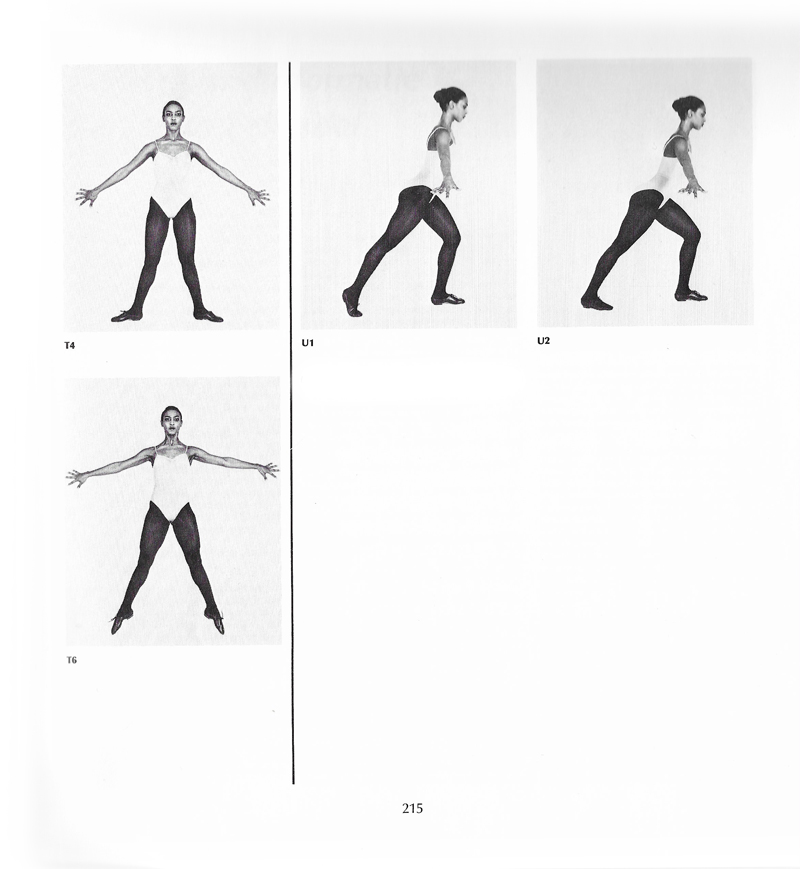
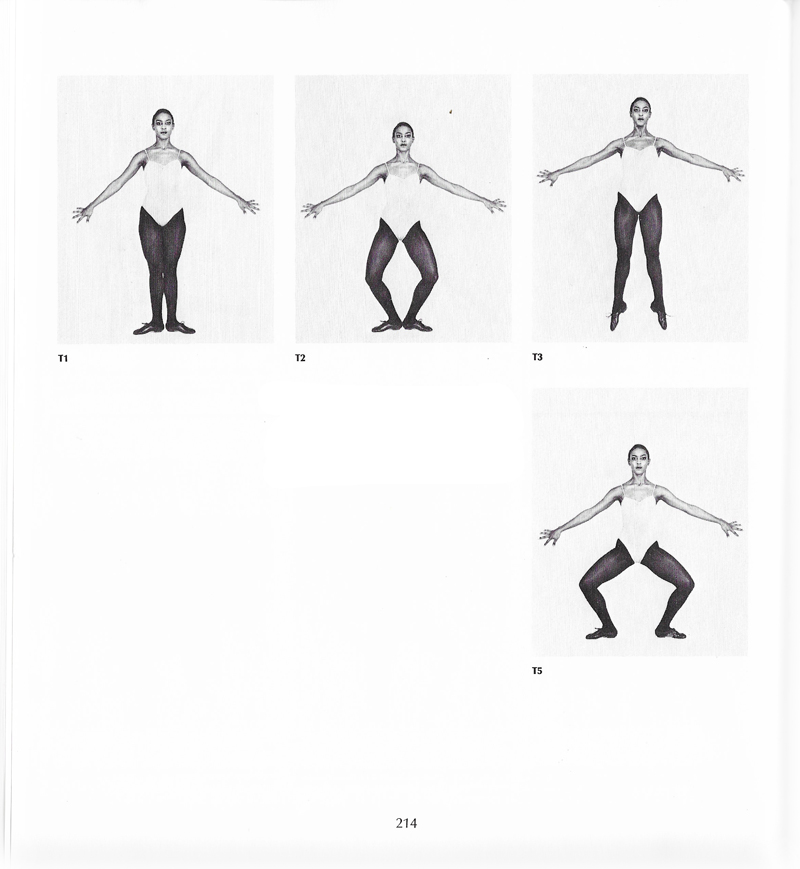
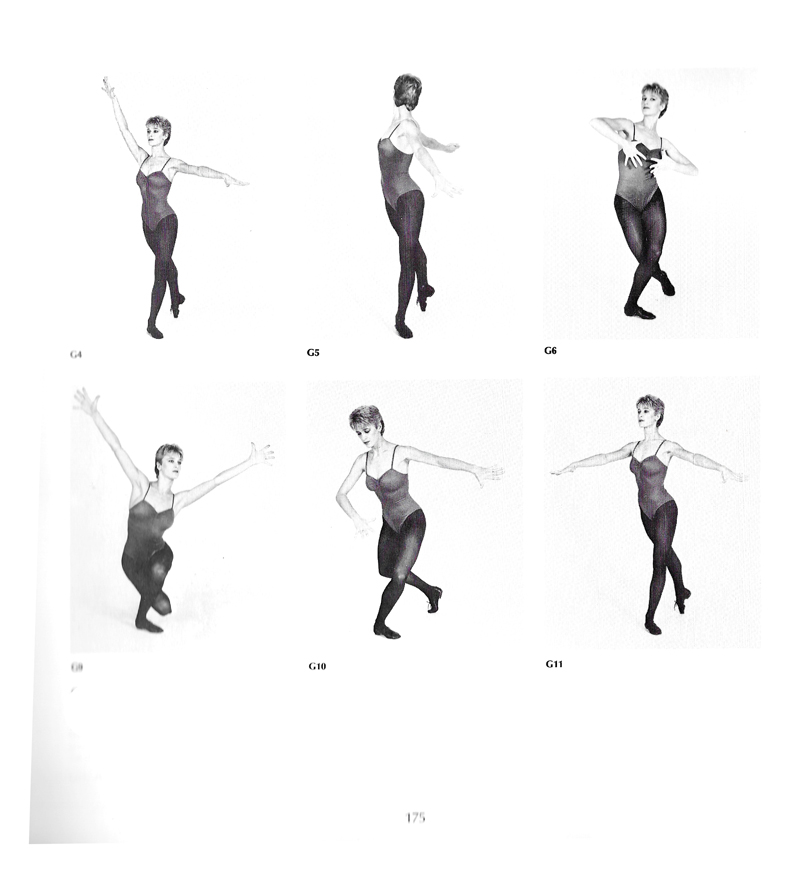
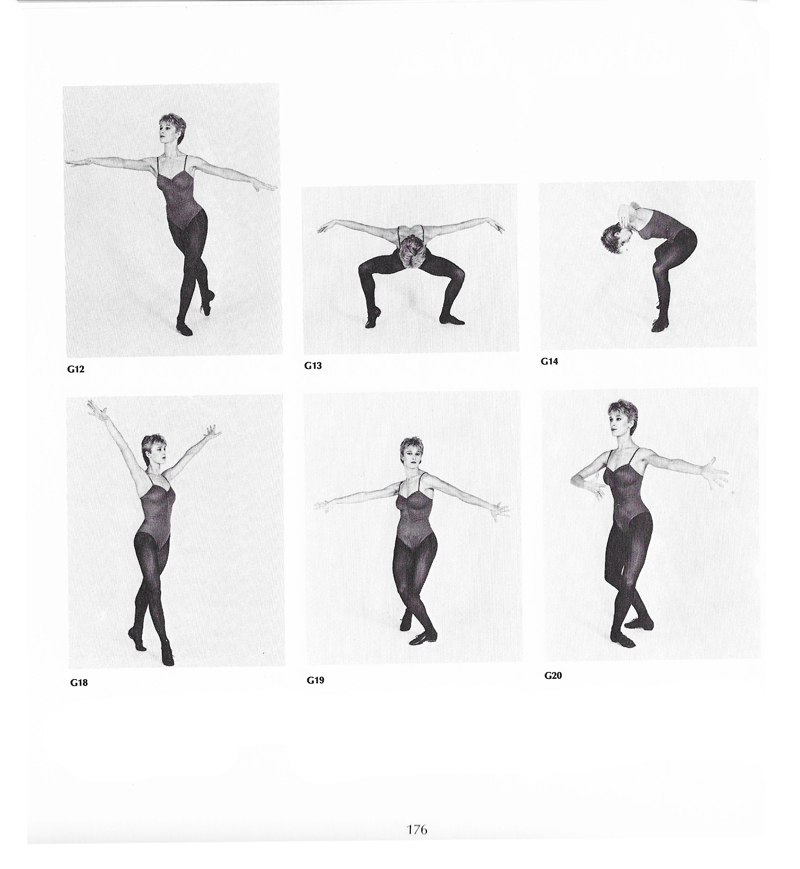
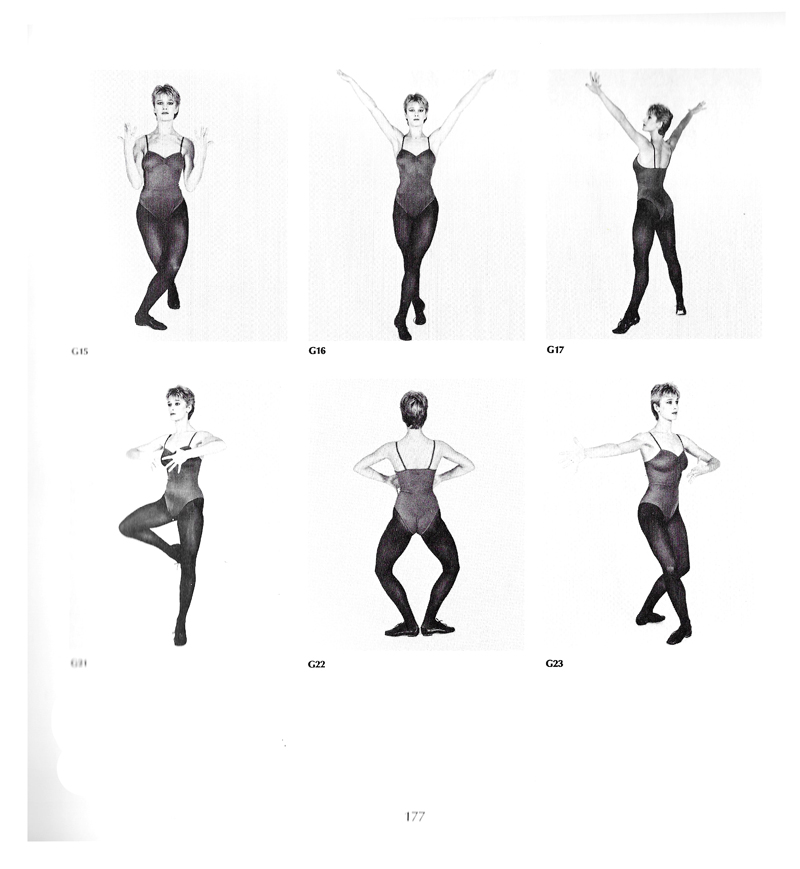
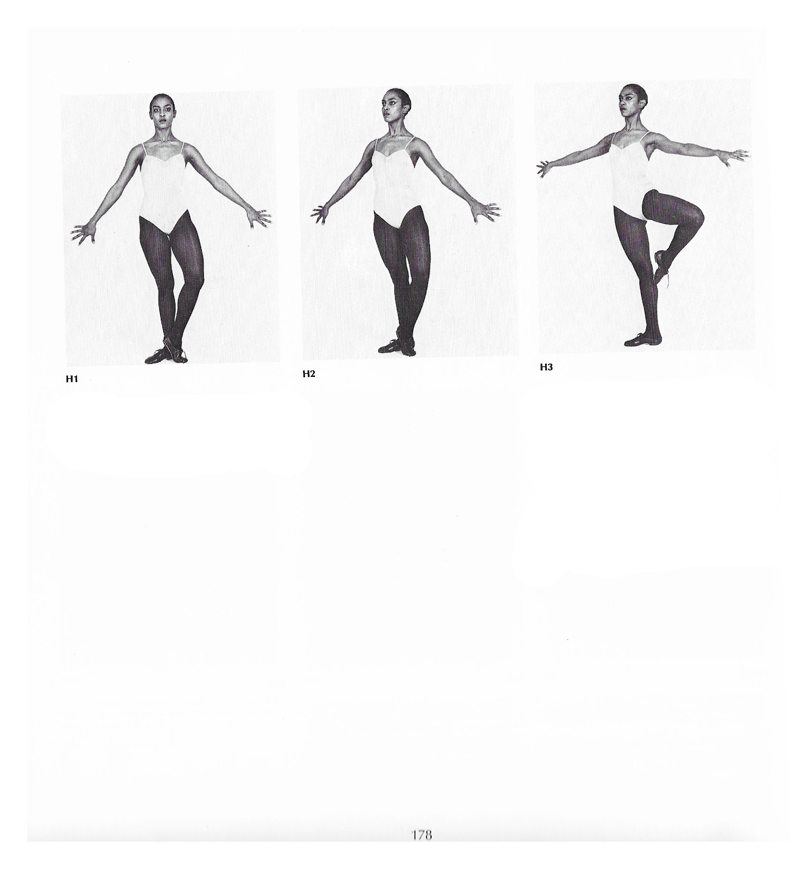
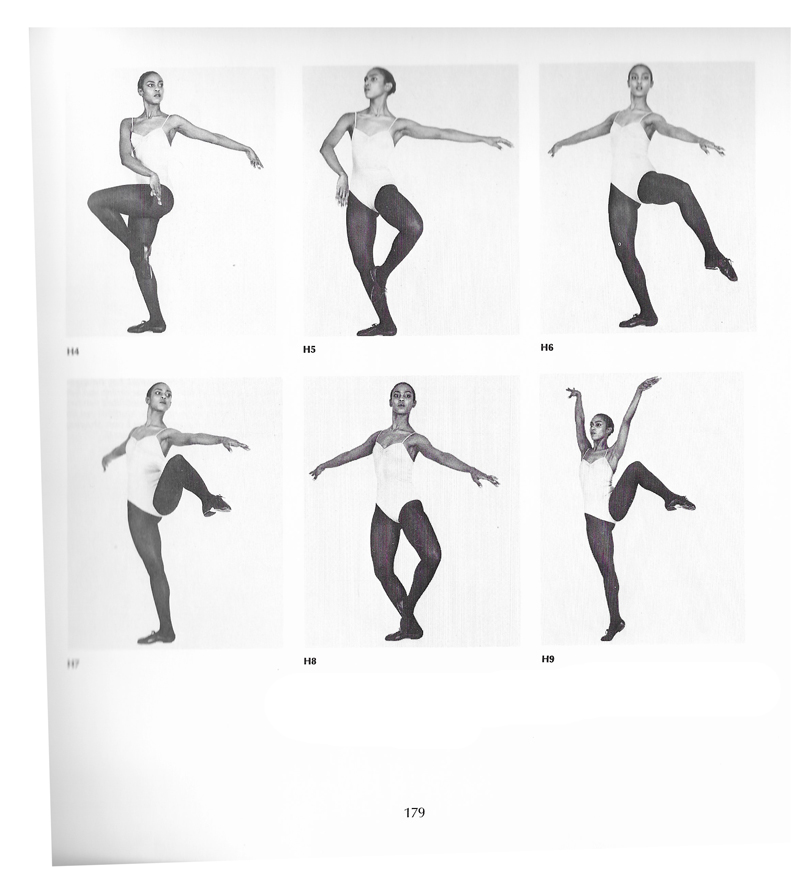
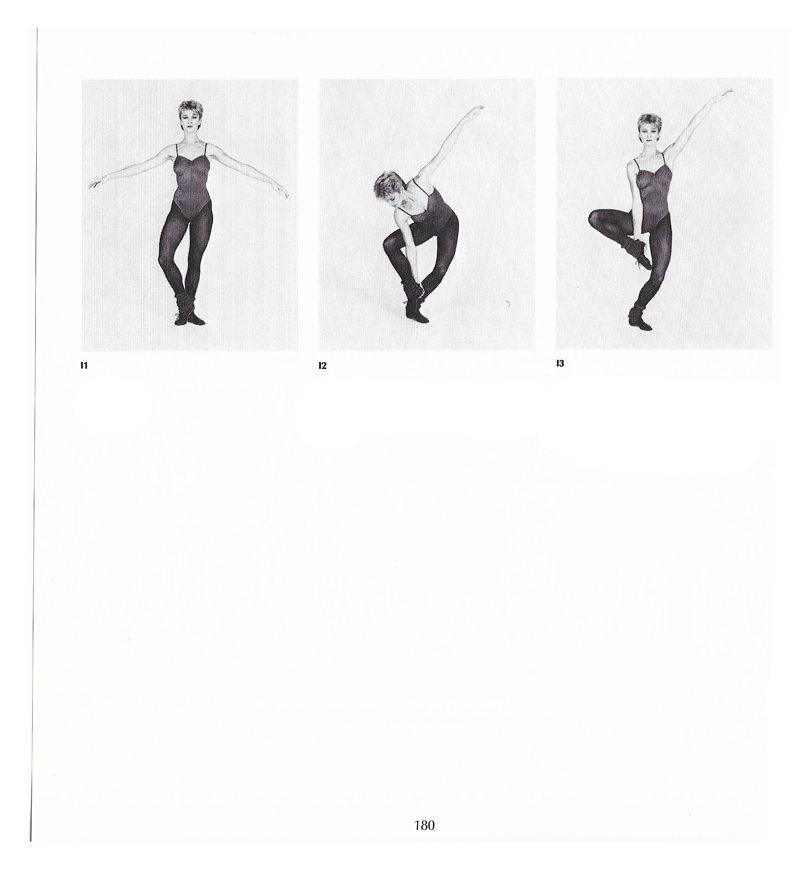
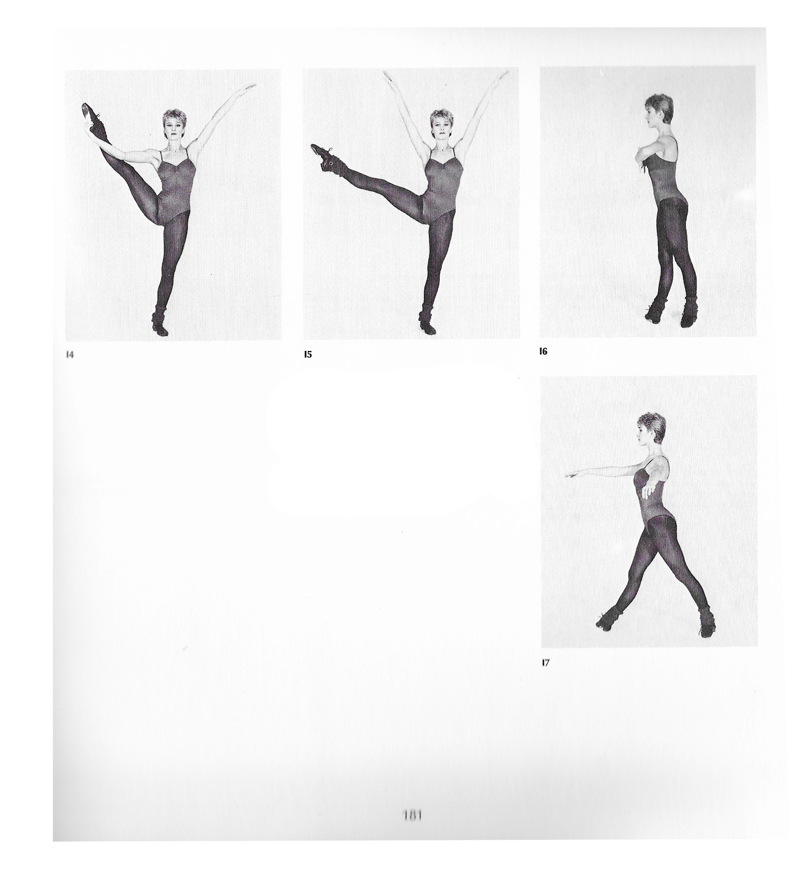
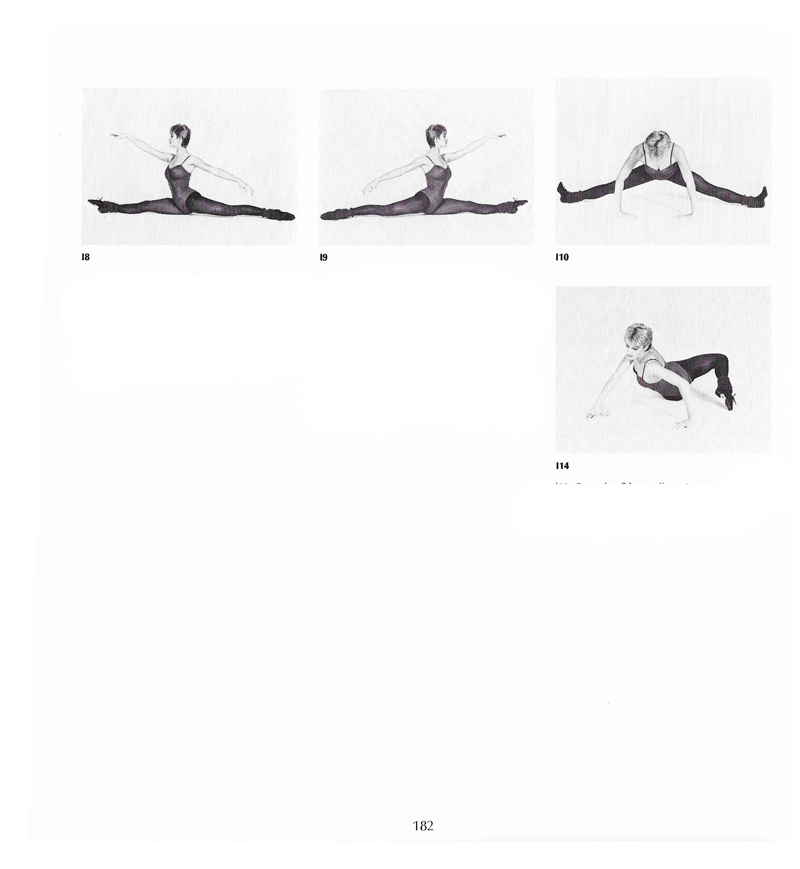
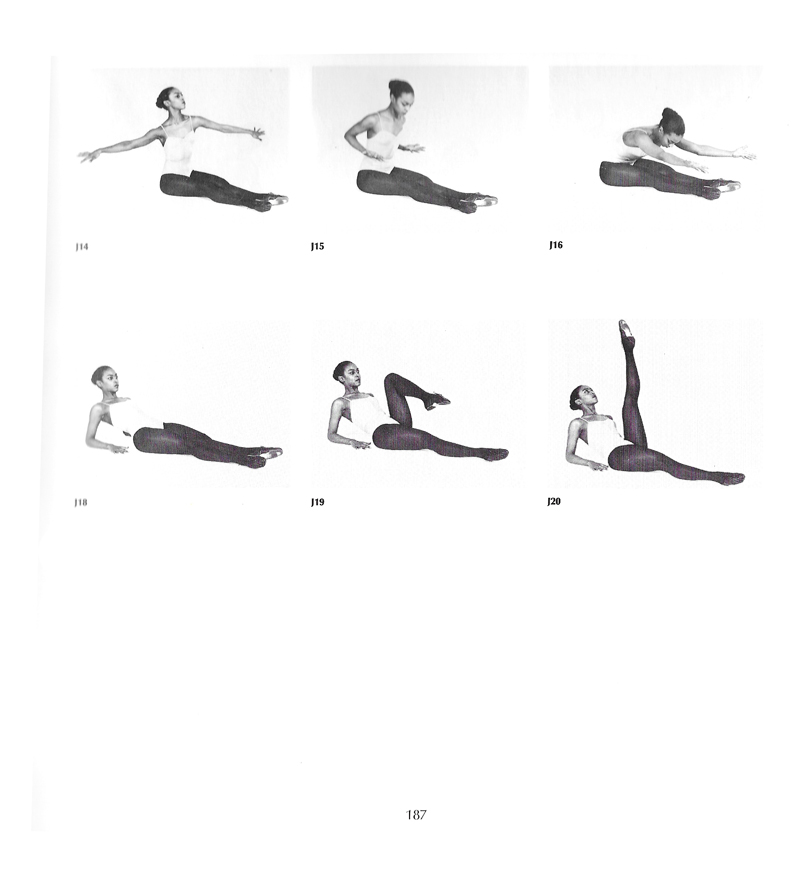
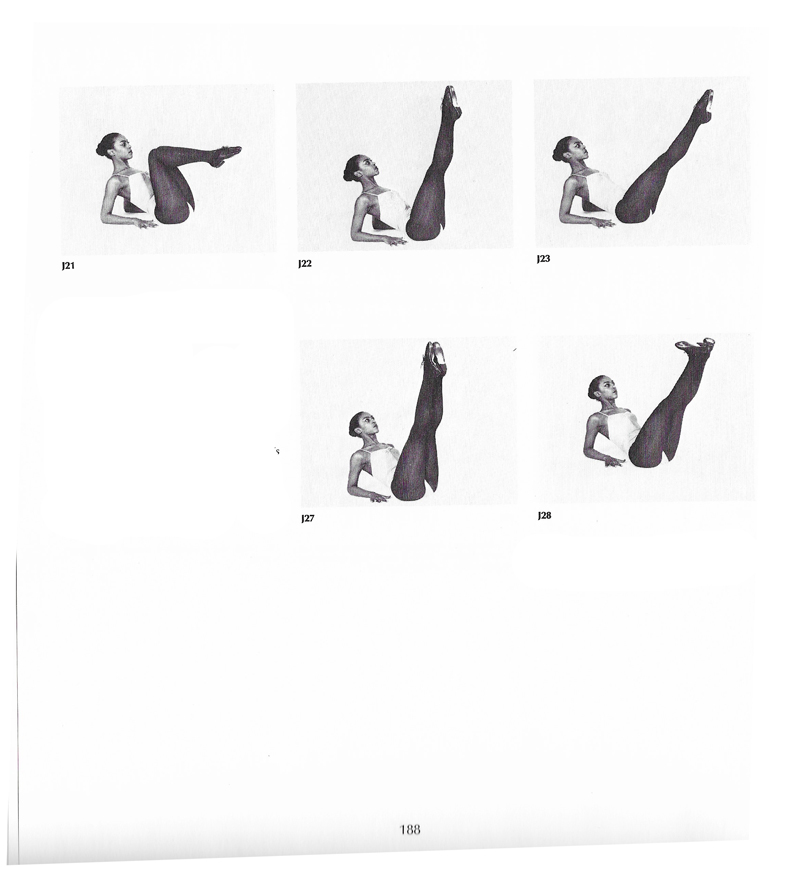
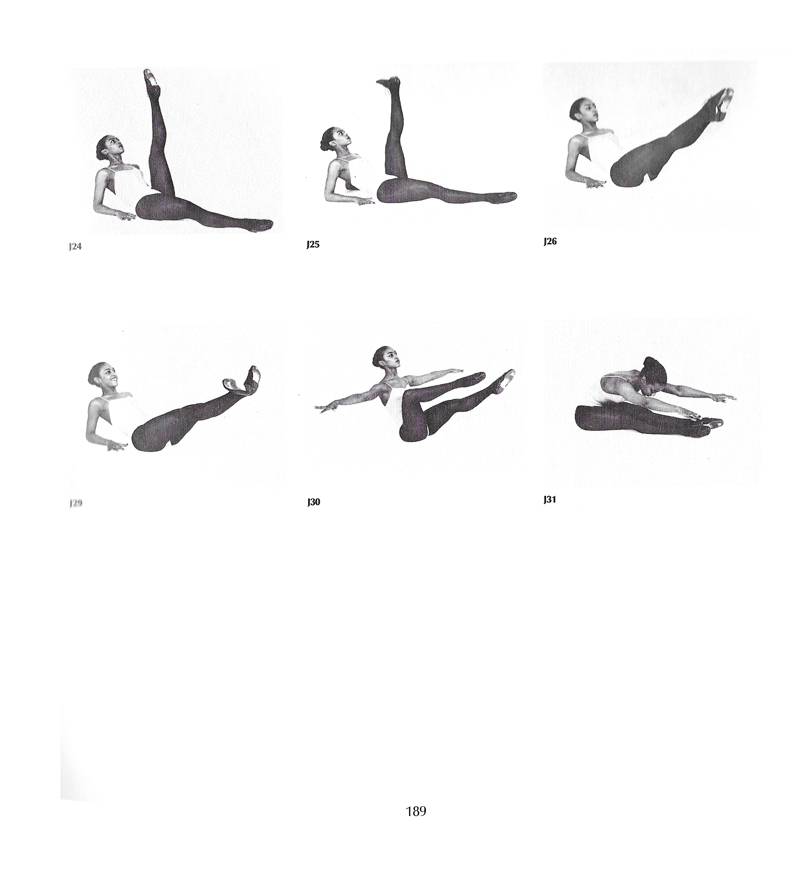
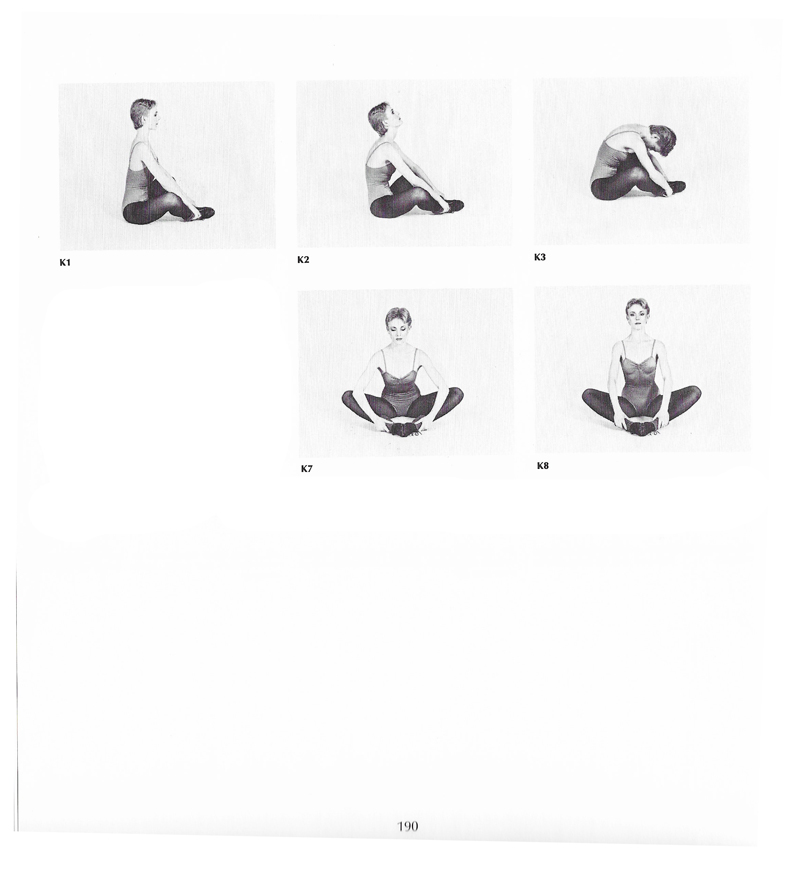
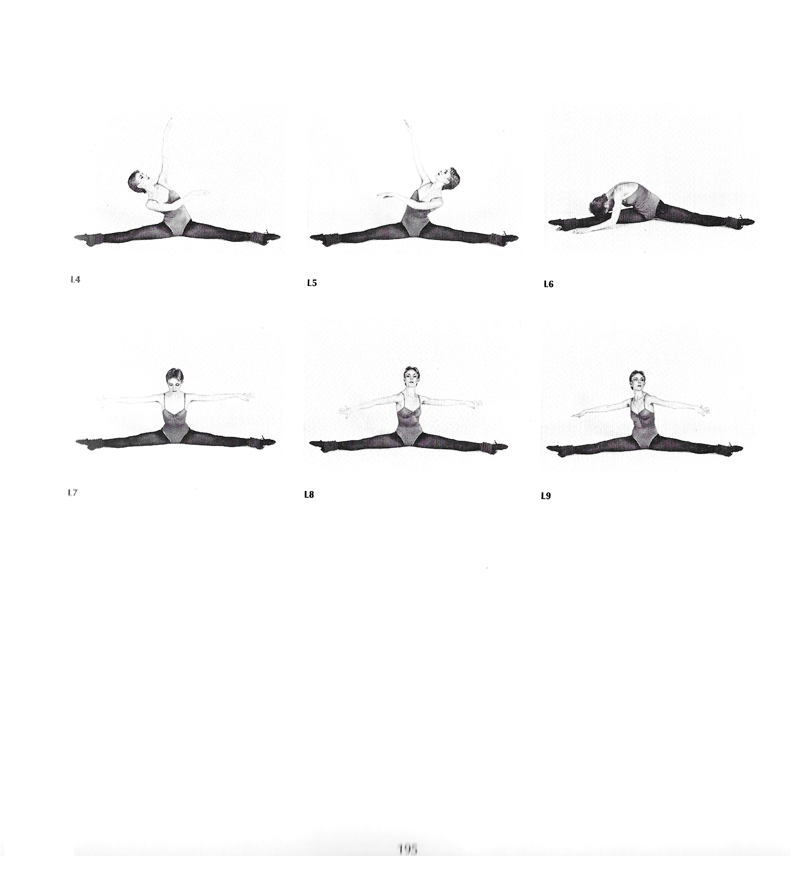
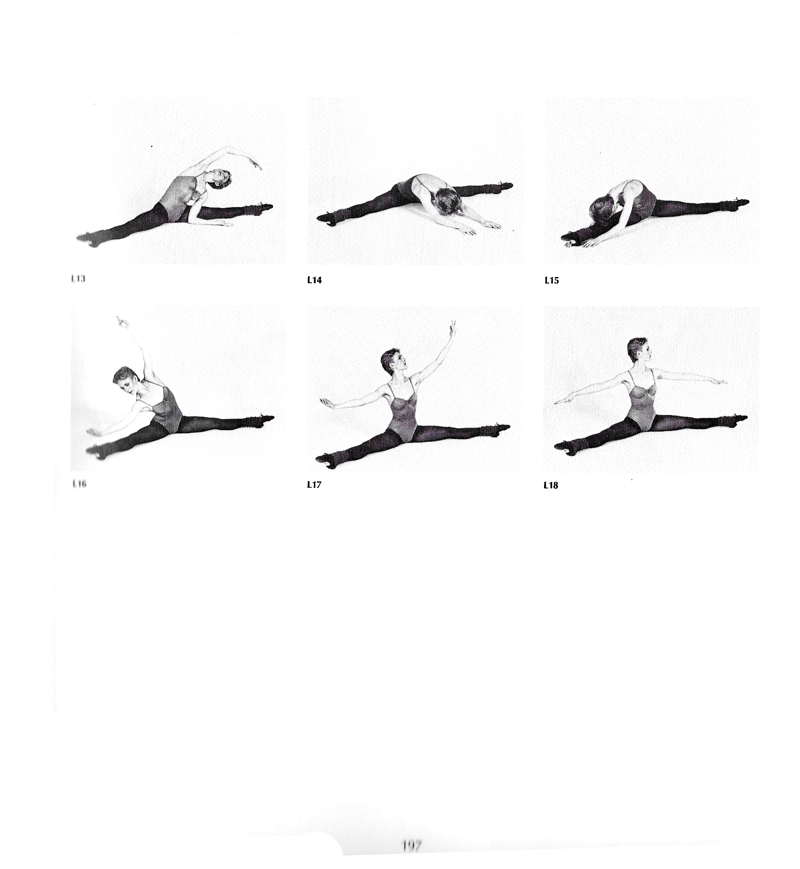
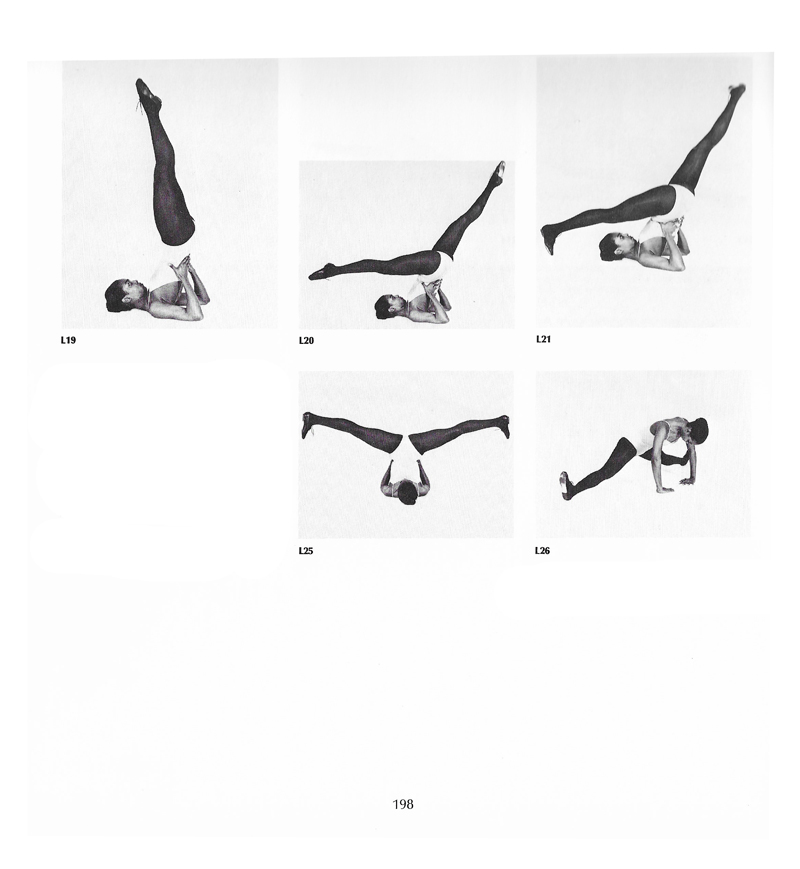
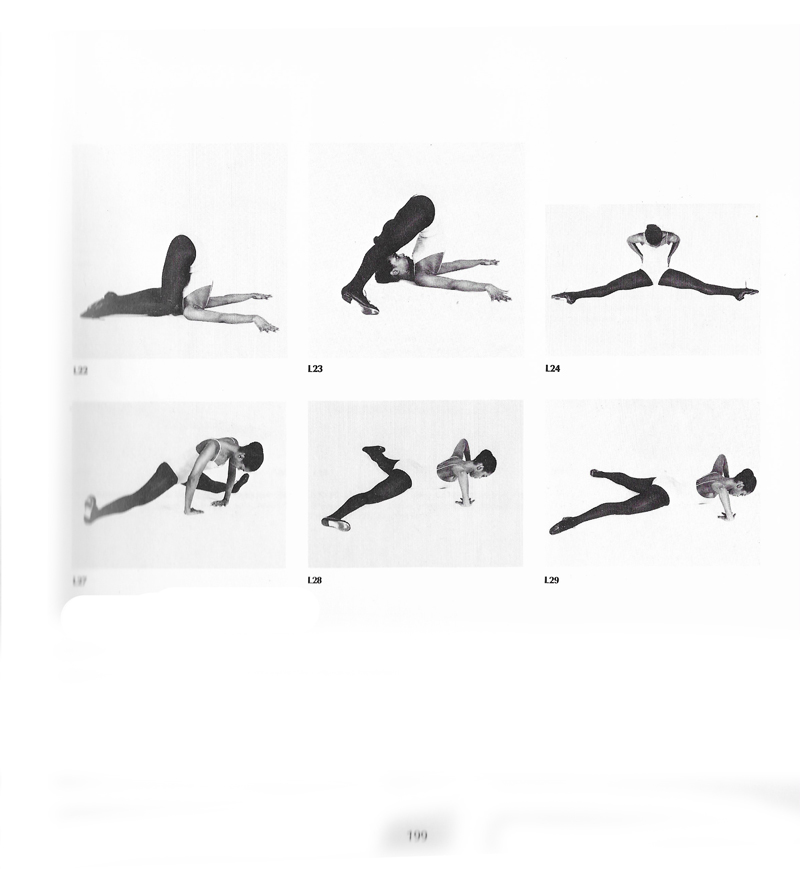
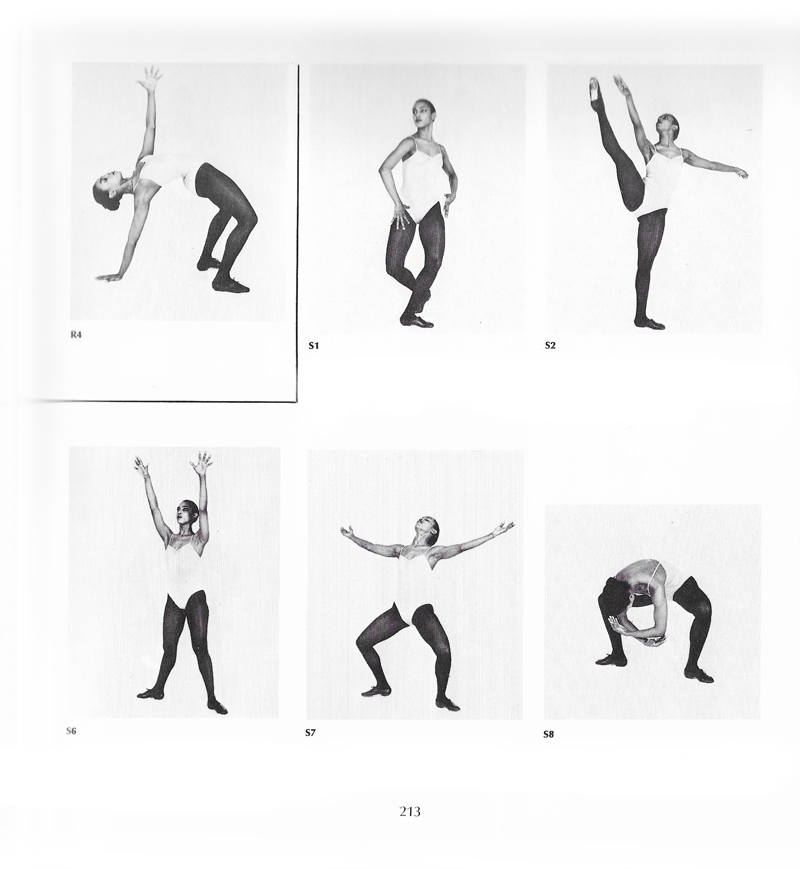
Eugene Louis Faccuito (March 20, 1925 – April 7, 2015), known professionally as Luigi, was an American jazz dancer, choreographer, teacher, and innovator who created the jazz exercise technique. The Luigi Warm Up Technique is a training program that promotes body alignment, balance, core strength, and “feeling from the inside.” It is also used for rehabilitation. This method became the world’s first standard technique for teaching jazz and musical theater dance.
Faccuito developed the technique, which consists of a series of ballet-based exercises, for his rehabilitation after suffering paralyzing injuries in a car accident at the age of twenty one. He couldn’t stop dancing, so he first learned to regain control of his body by what he uses as a cornerstone of his technique – namely, to “lengthen and stretch the body without strain” and “put the good side into the bad side.” He then focused on a way “to stabilize himself – as if he were pressing down on an invisible (dance) barre.”He went on to have a successful dance career and became a world-renowned jazz teacher.


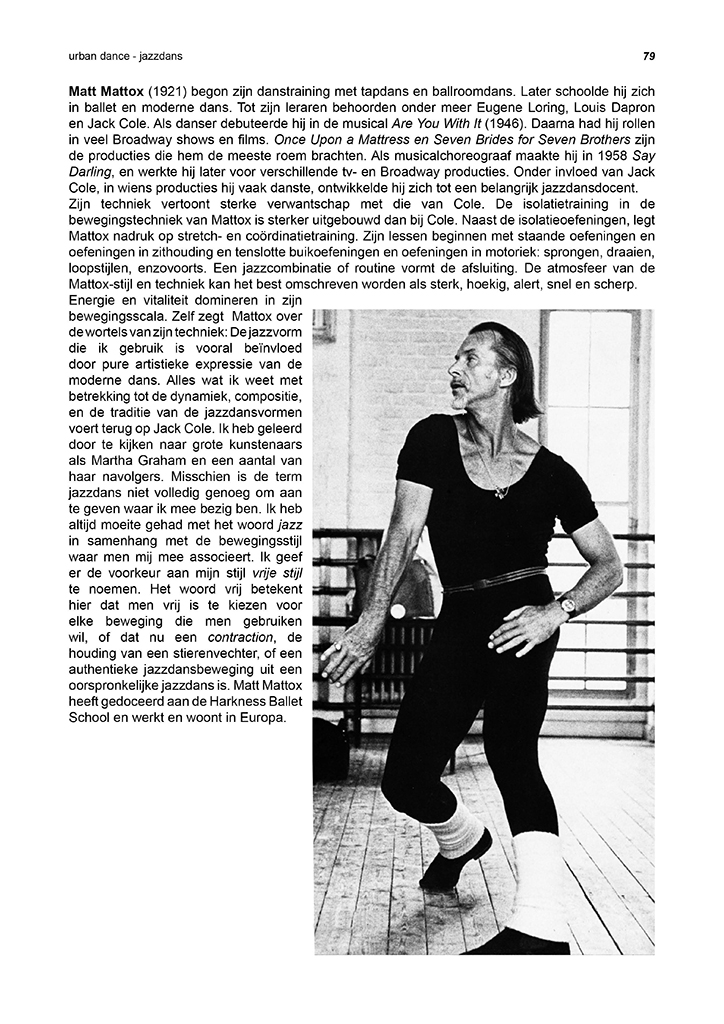
Matt Mattox (August 16, 1921 – February 18, 2013) was an American jazz and ballet dancer. He was a Broadway performer and a specialty dancer in many Hollywood musicals. His best-known film role was as Caleb Pontipee in the 1954 film Seven Brides for Seven Brothers.
After his Broadway and film career, Mattox moved to Europe, where he became a well-respected dance teacher.
Birth and career
Mattox was born in Tulsa, Oklahoma, and became a protégé of the legendary jazz dance pioneer Jack Cole, with whom he worked on Broadway in Magdalena: a Musical Adventure (1948). His other Broadway credits include creating the role of the Jester in the original production of Once Upon a Mattress (1959), and Harry Beaton in the 1957 revival of Brigadoon. Mattox also performed concert engagements with his own dance company. His brief career as a Broadway choreographer included Jennie and Say, Darling.
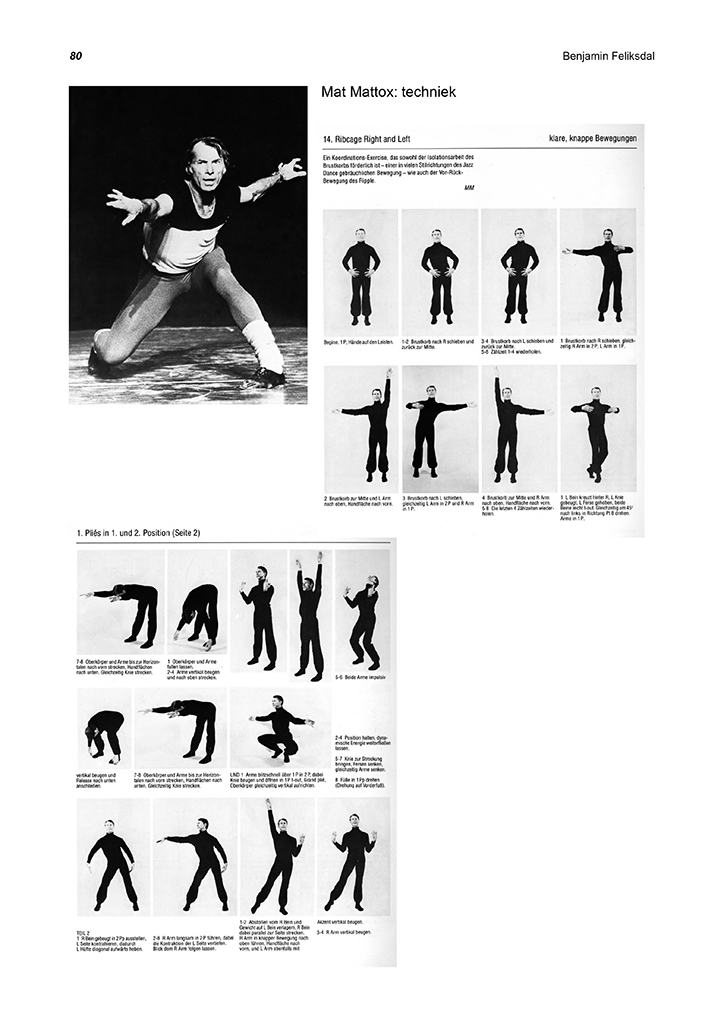
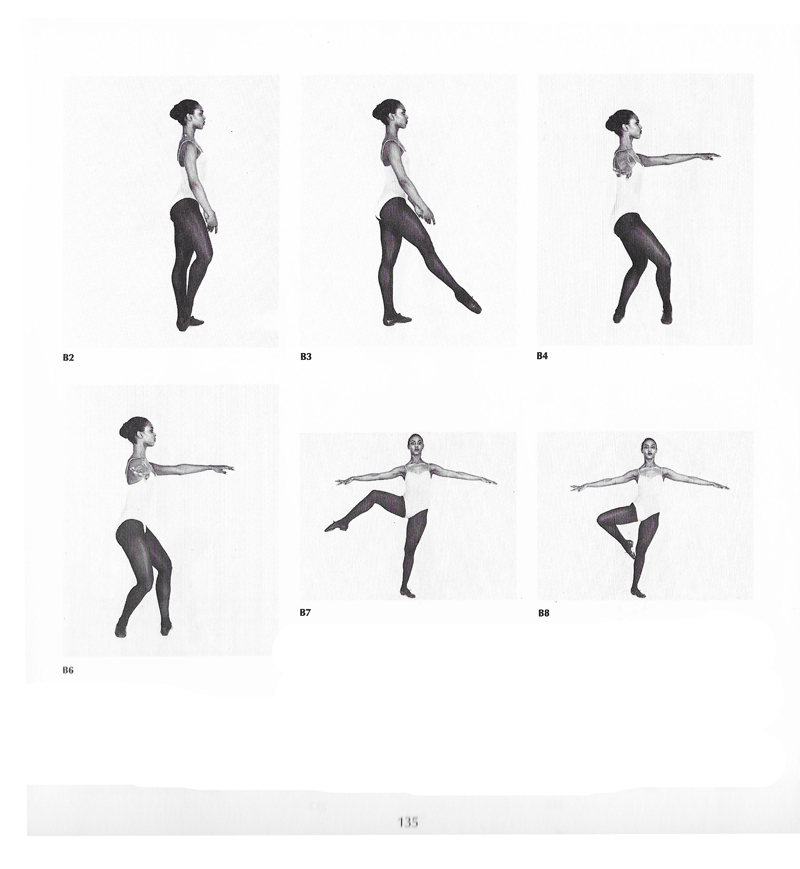
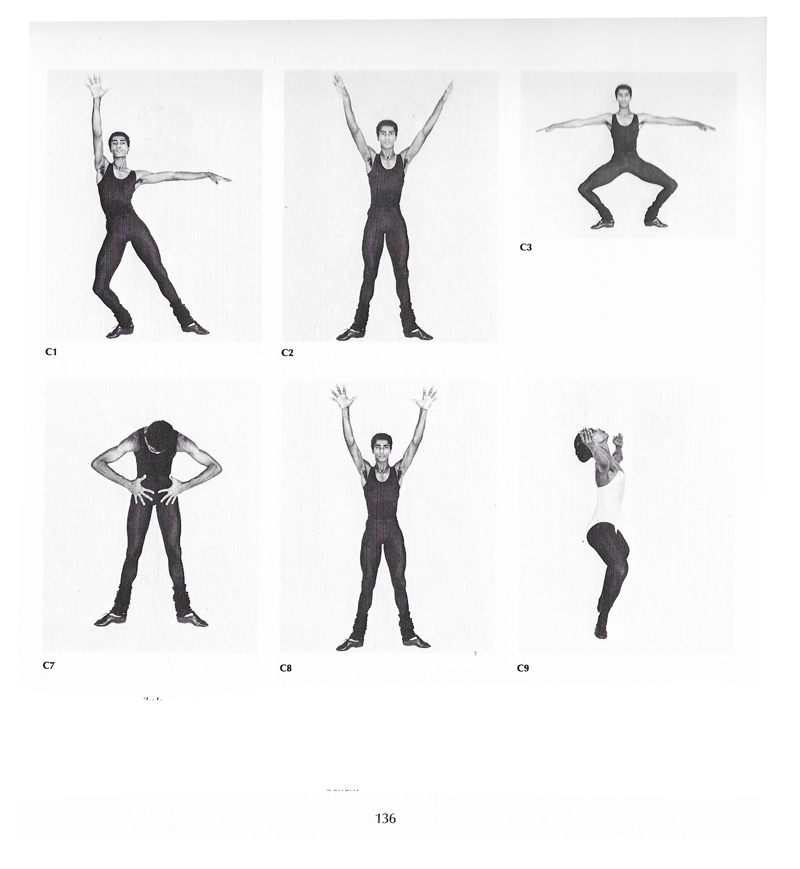
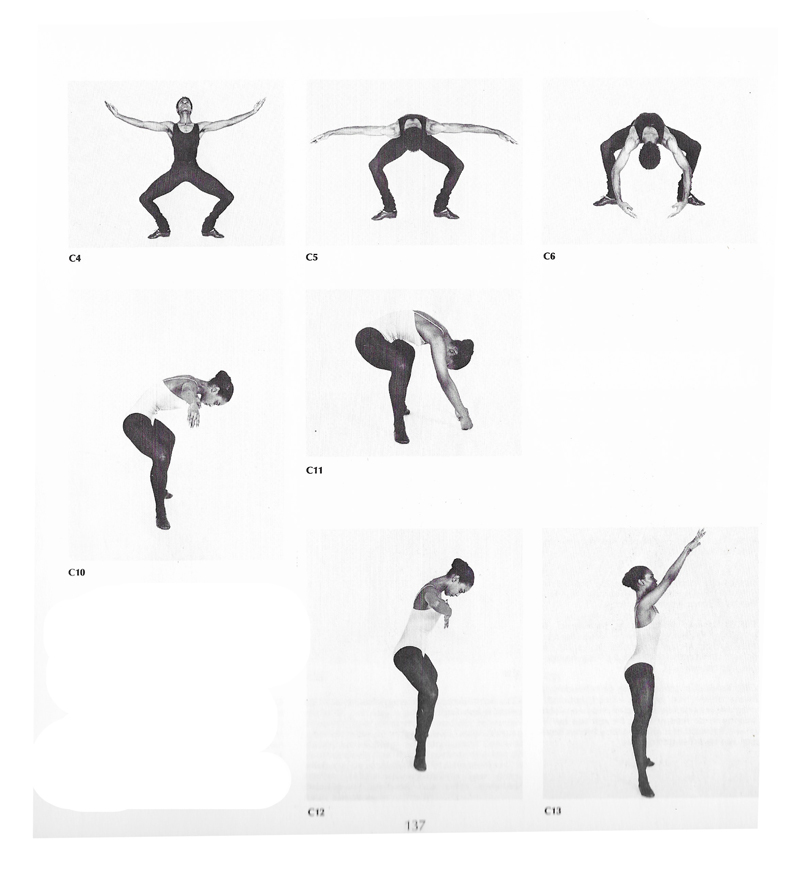
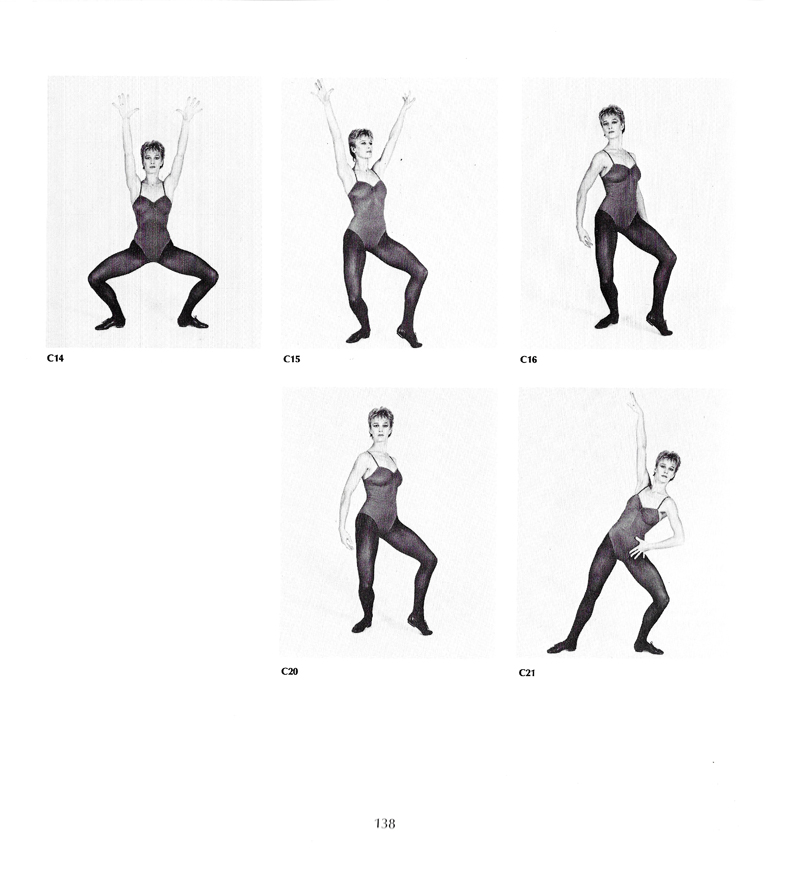
Mattox used his background in ballet technique to create his own technique for jazz dance. His jazz class was assembled in the progression of a ballet class, and he called his exercises “the barre”. Mattox also specifically designed the exercises to relate to the combinations given at the end of his class. The positions, shapes, and qualities developed during the barre are visible within his own detailed and polished style.
Mattox had a higher profile as a specialty dancer in Hollywood musicals. His best-known film role is Caleb Pontipee in Seven Brides for Seven Brothers, but he was also a principal dancer in, among others, Yolanda and the Thief, The Band Wagon (Cyd Charisse’s partner in the ballet sequence), Till the Clouds Roll By, Gentlemen Prefer Blondes, and There’s No Business Like Show Business. In addition, Mattox was a regular guest on television variety shows, for which he choreographed as well as performed, including The Patti Page Oldsmobile Show,” 1958-59.
One of the world’s most influential teachers of jazz dance—or, as he called it, “freestyle dancing”— Mattox lived and worked in Perpignan, France. He formed a concert jazz dance company in 1975 in England and eventually brought it to France.
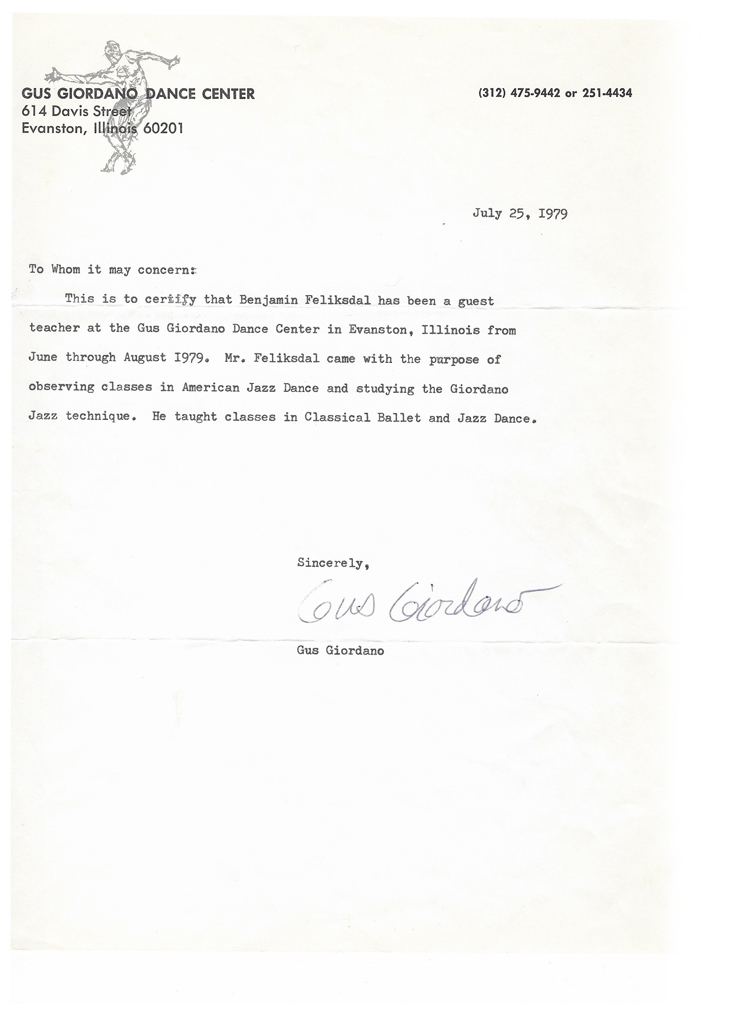
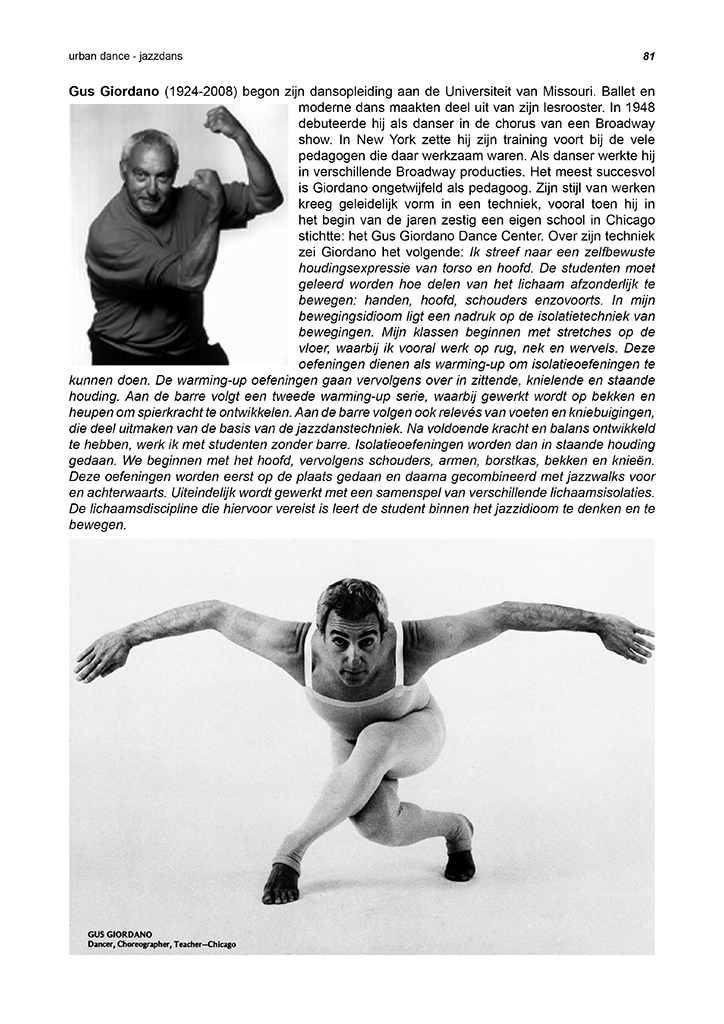
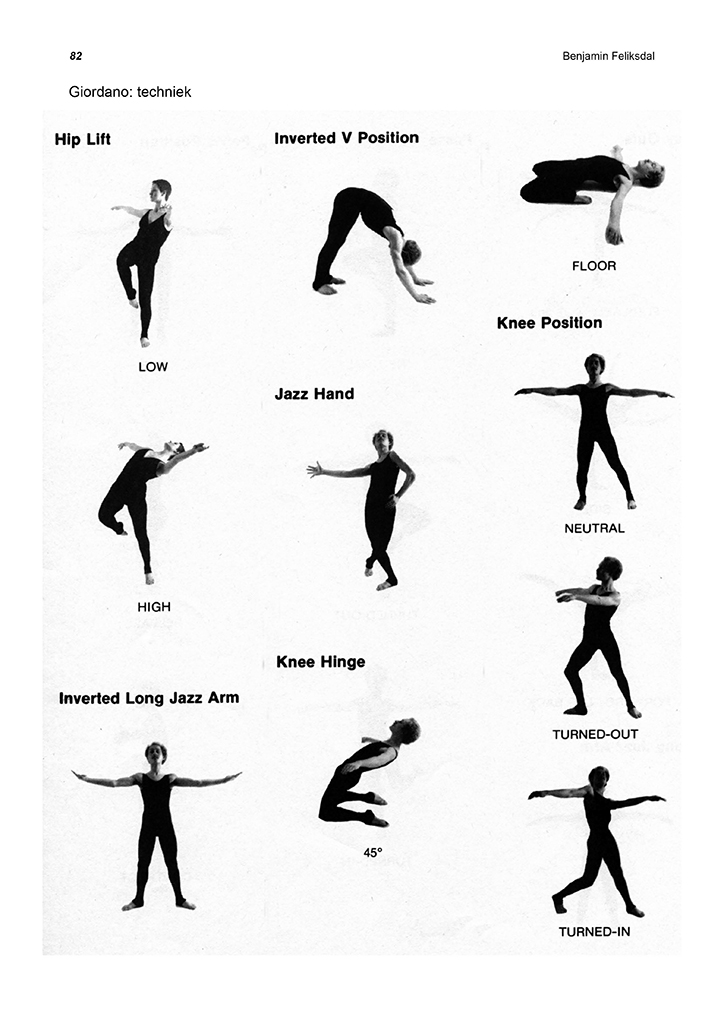
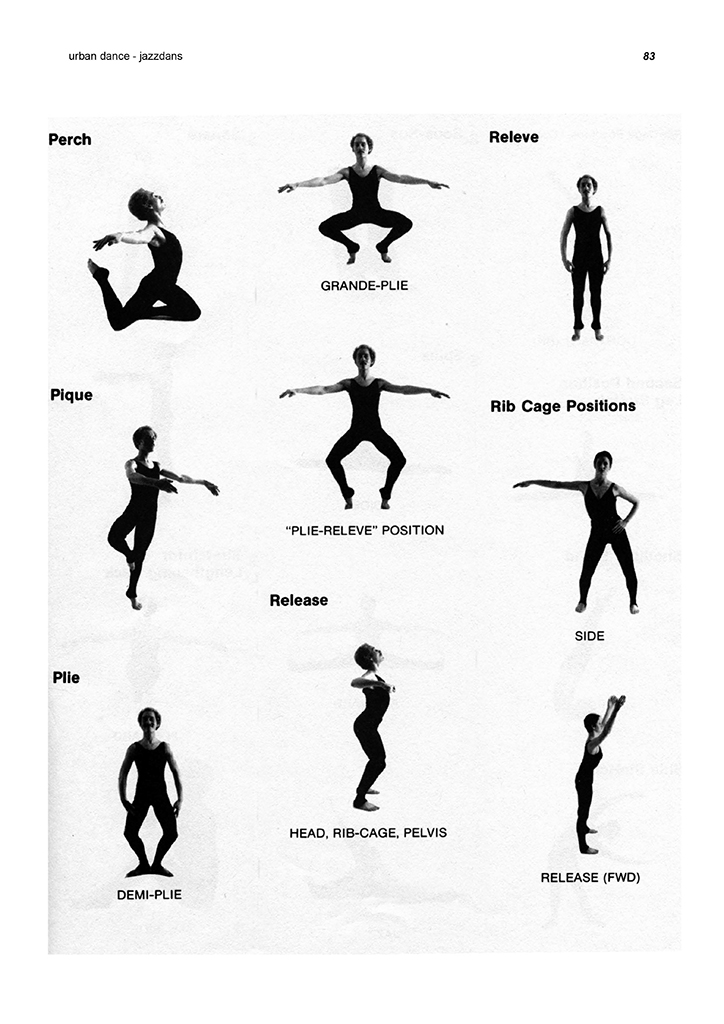
Gus Giordano (July 10, 1923 – March 9, 2008), born August Thomas Giordano III, was an American jazz dancer, teacher and choreographer. He performed on Broadway and in theater and television. He taught jazz dance to thousands in North America, Europe, Asia and South America. He was the founder of Gus Giordano Dance School (1953), founder of Gus Giordano Jazz Dance Chicago (1963), creator of the First American Jazz Dance World Congress (1990) and the author of Anthology of American Jazz Dance (1975). He taught at institutions around the world including American Ballet Theatre, The American University of Paris, Duke University, Joffrey Ballet, New York University and hundreds more. He choreographed award-winning shows for television, film, stage, commercials and industrials. Giordano is one of the founders of theatrical or Broadway jazz dance styles, not to be confused with African American vernacular jazz styles that he drew upon.
Tribute
Dance scholars have praised Giordano for establishing Broadway or theatrical jazz dance as an internationally recognized artistic medium. Ruth Page is quoted to have said “Giordano knows more about jazz dance than anyone, probably in the world, and jazz dance is a difficult thing to teach; there’s more creativity involved unlike [the more structured] classical dance.”
Giordano taught and many performers, teachers, choreographers, including: Ann Margret (Actor), Judi Sheppard Missett (Founder/CEO Jazzercise, Inc), Gregory Hines (Actor/Dancer/Choreographer), Mia Michaels (Choreographer So You Think You Can Dance & more), Colleen Zenk (Actor As The World Turns), Daryl Hannah (Actor), Patrick Swayze (Dancer/ Actor), Tim Anderson (Artist), Jimmy Locust (Choreographer Janet Jackson), Joe Tremaine (Tremaine Dance Conventions), Robert Battle (Alvin Ailey), Joe Lanteri (NYC Dance Alliance), Sherry Zunker & Frank Chavez (Founders River North Dance Chicago), Nick Pupillo (Founder Visceral), Claire Batille (Hubbard Street Director)
In 2009, Giordano’s daughter Amy Giordano, produced Gus: An American Icon, a documentary about Gus Giordano. Narrated by former Giordano student Colleen Zenk and directed by Pedro Brenner, the film includes interviews with Giordano’s friends and collaborators. The film won prizes for Excellence at the Canada International Film Festival and for Best Documentary at the 2010 Burbank International Film Festival.
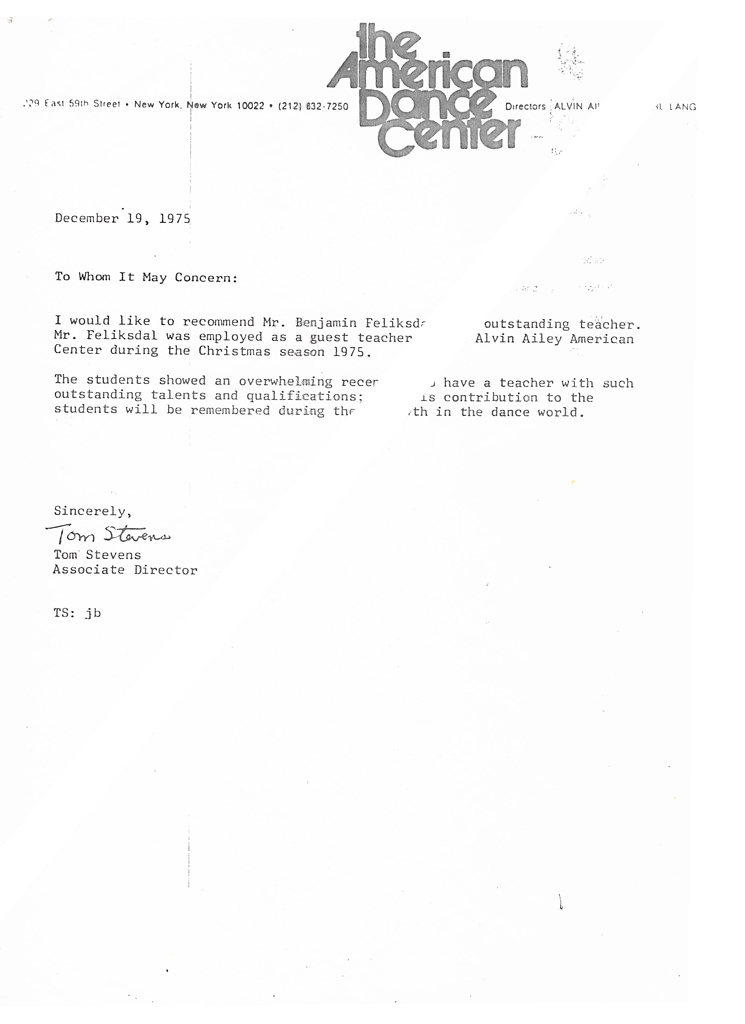
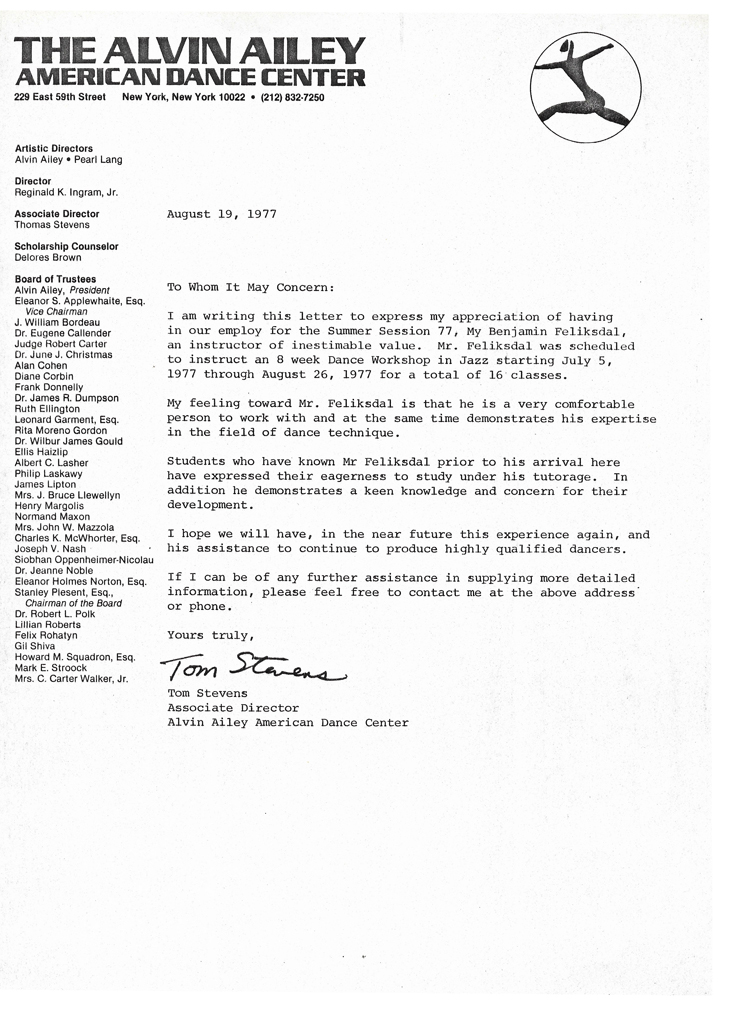
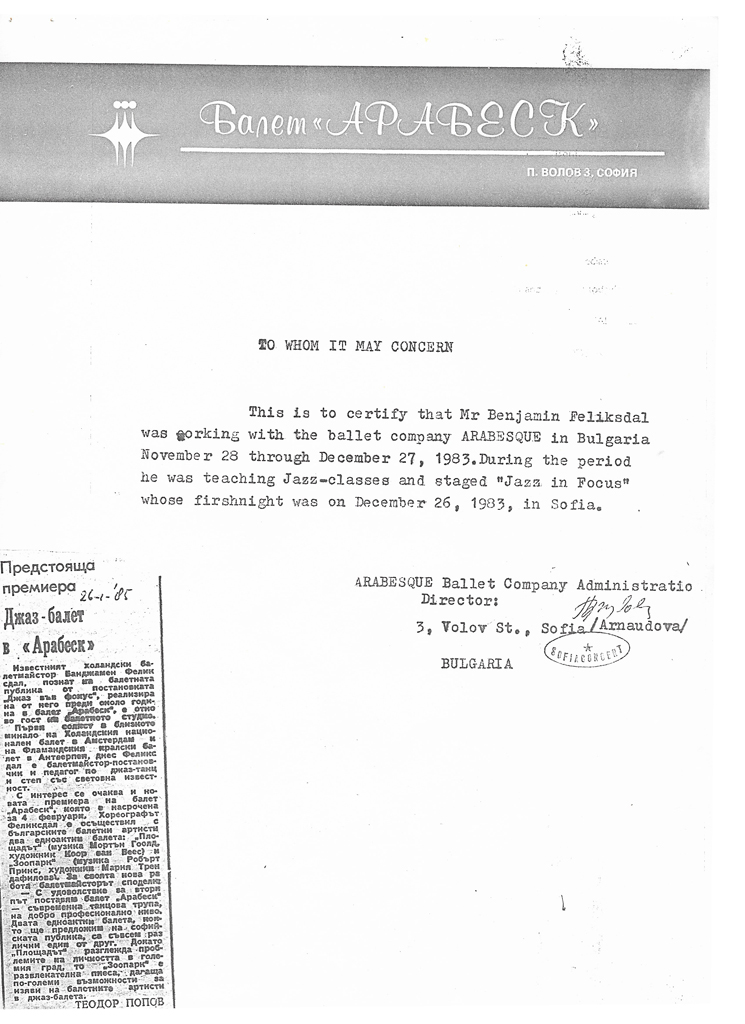
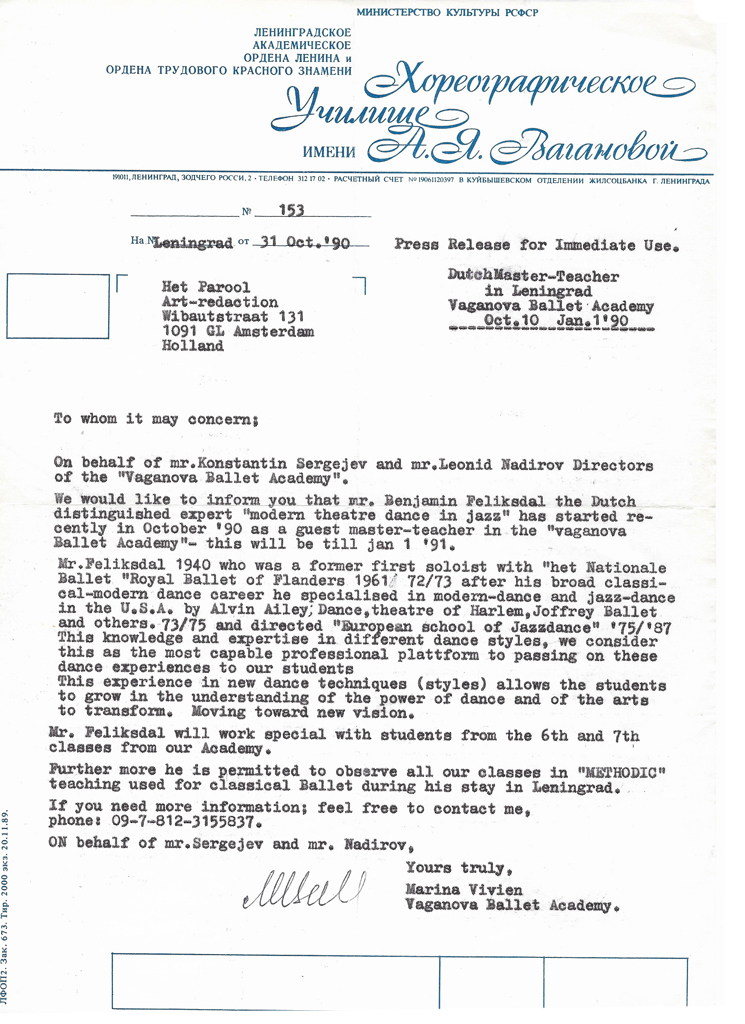
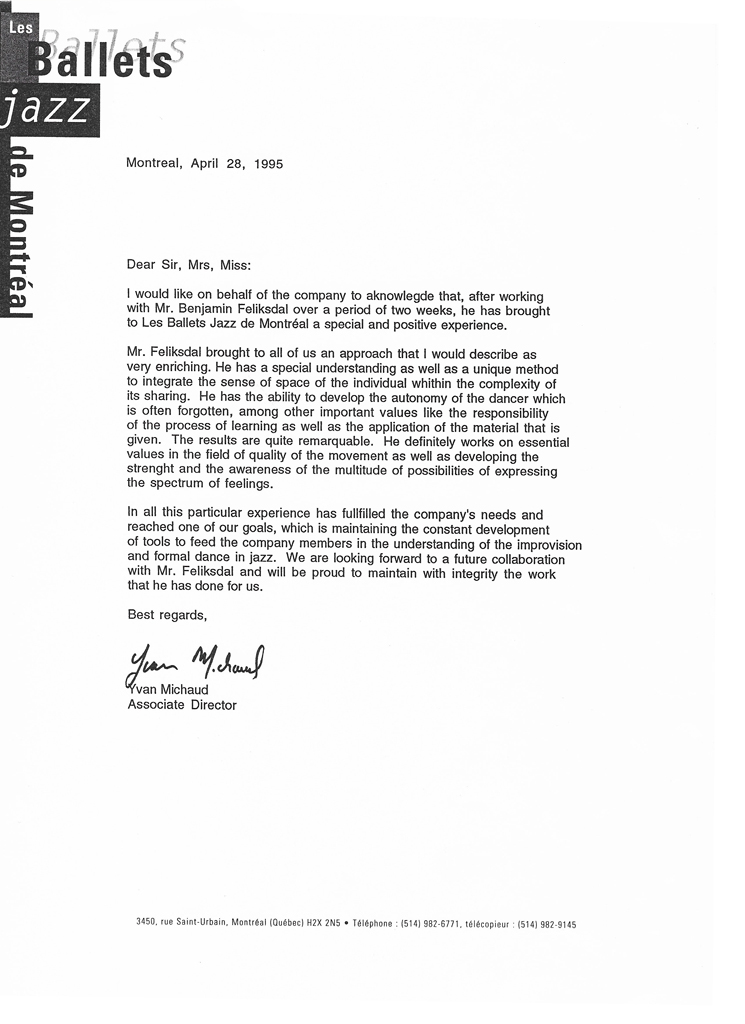
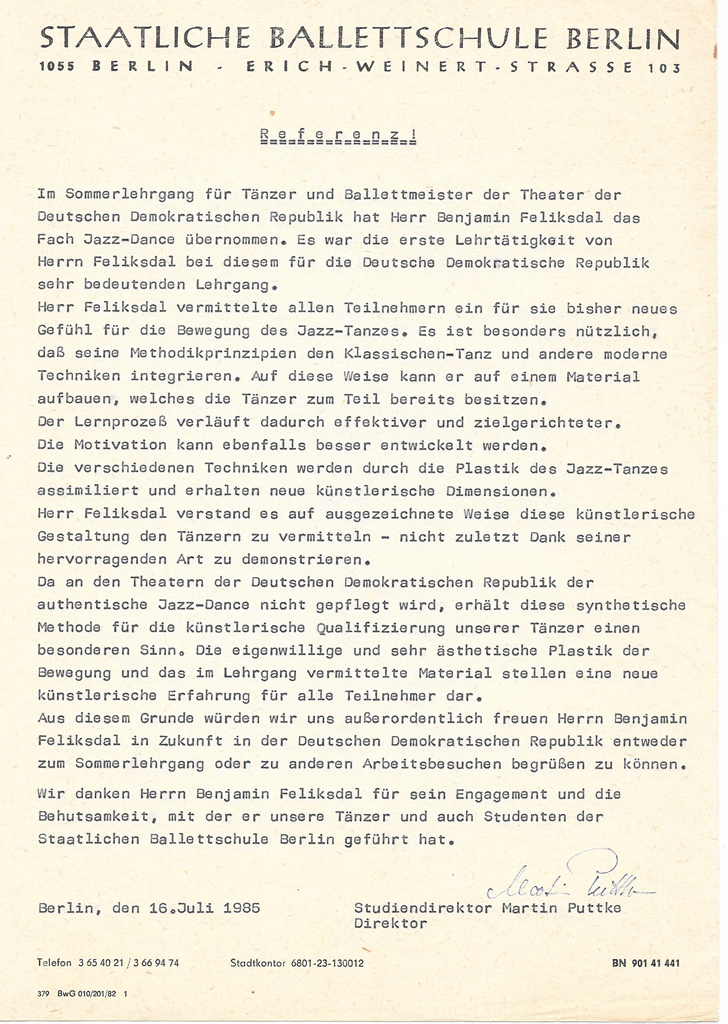
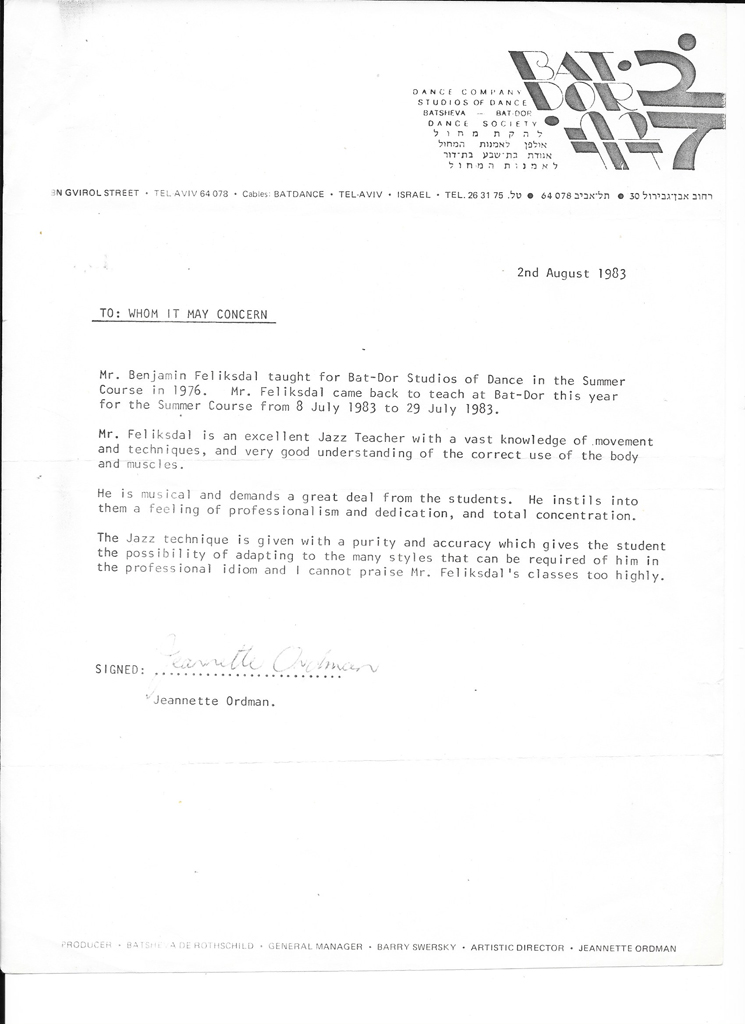
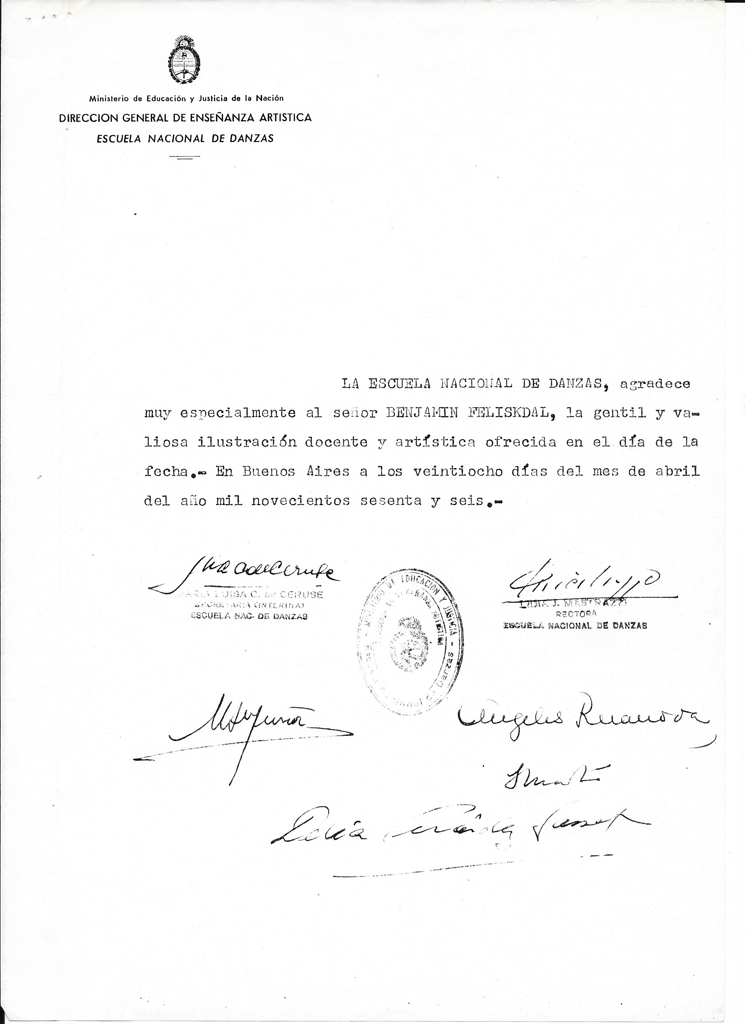
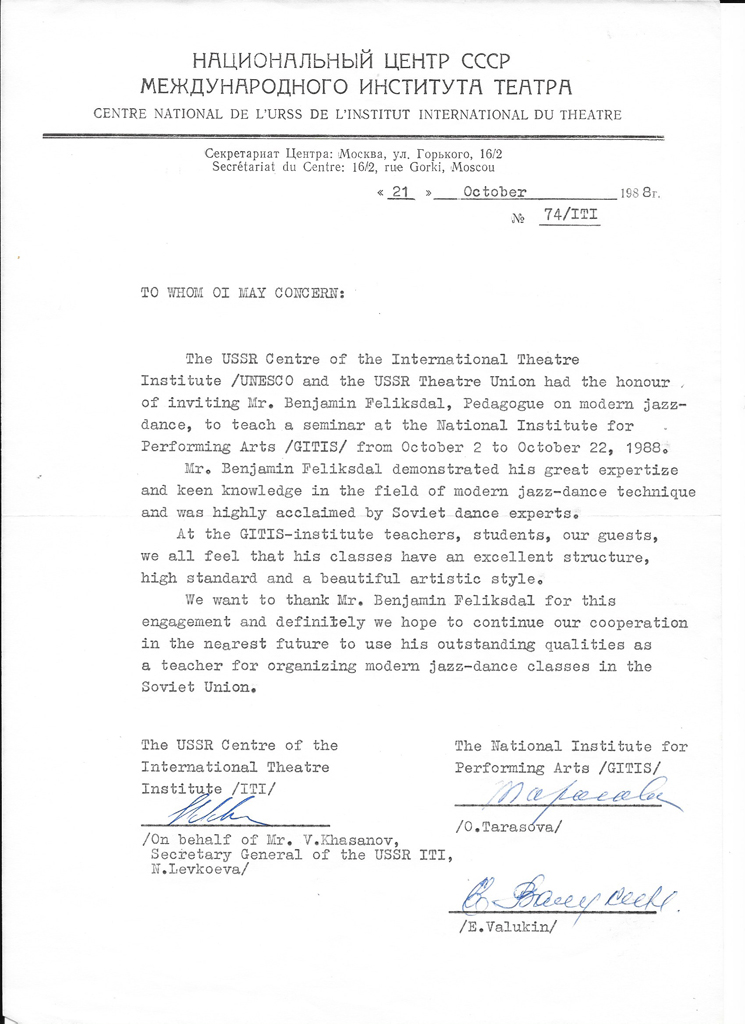
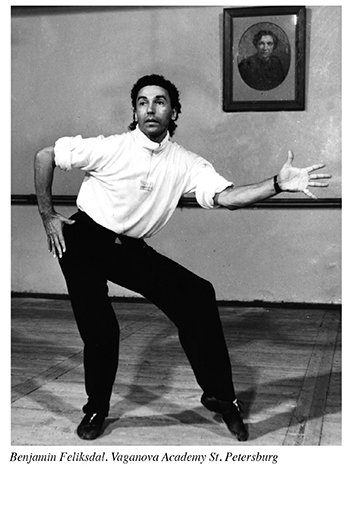
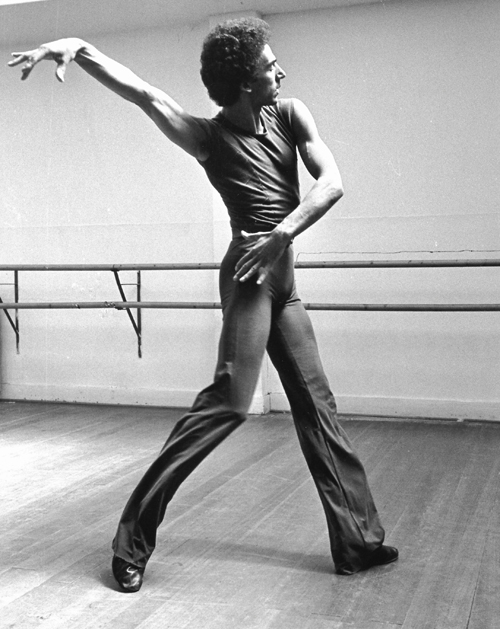
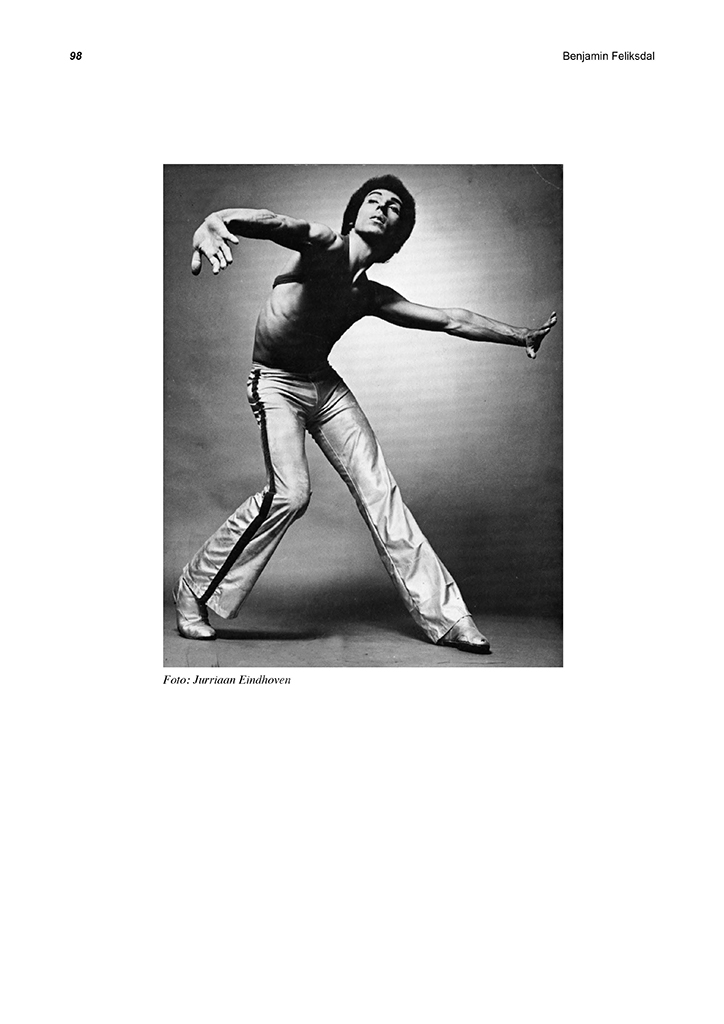
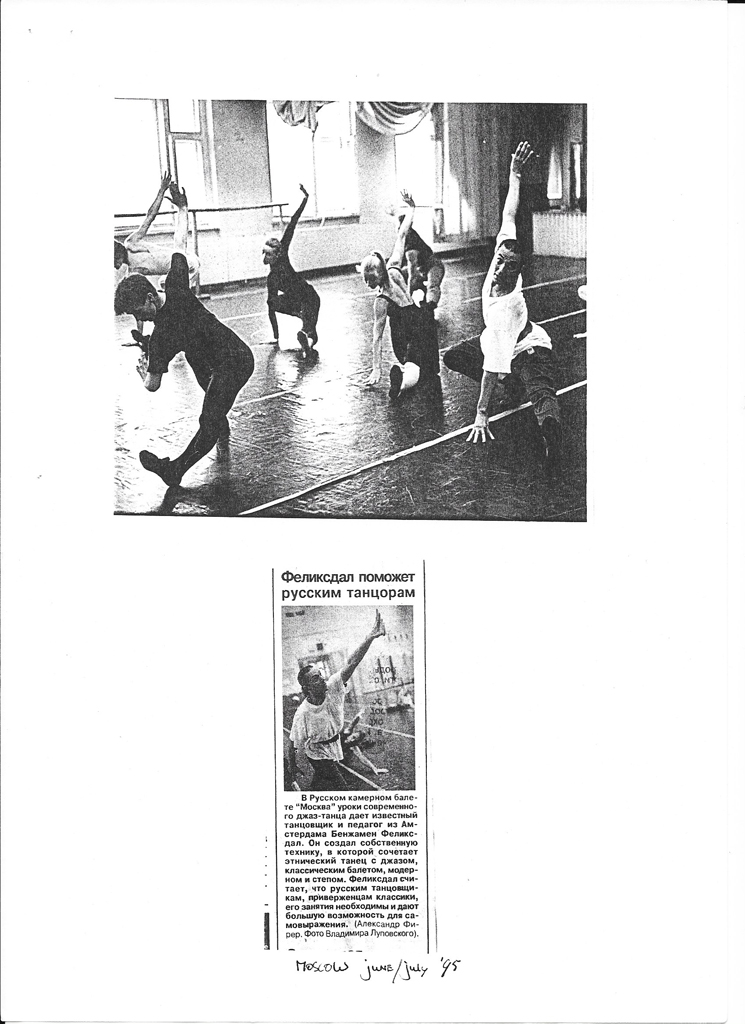
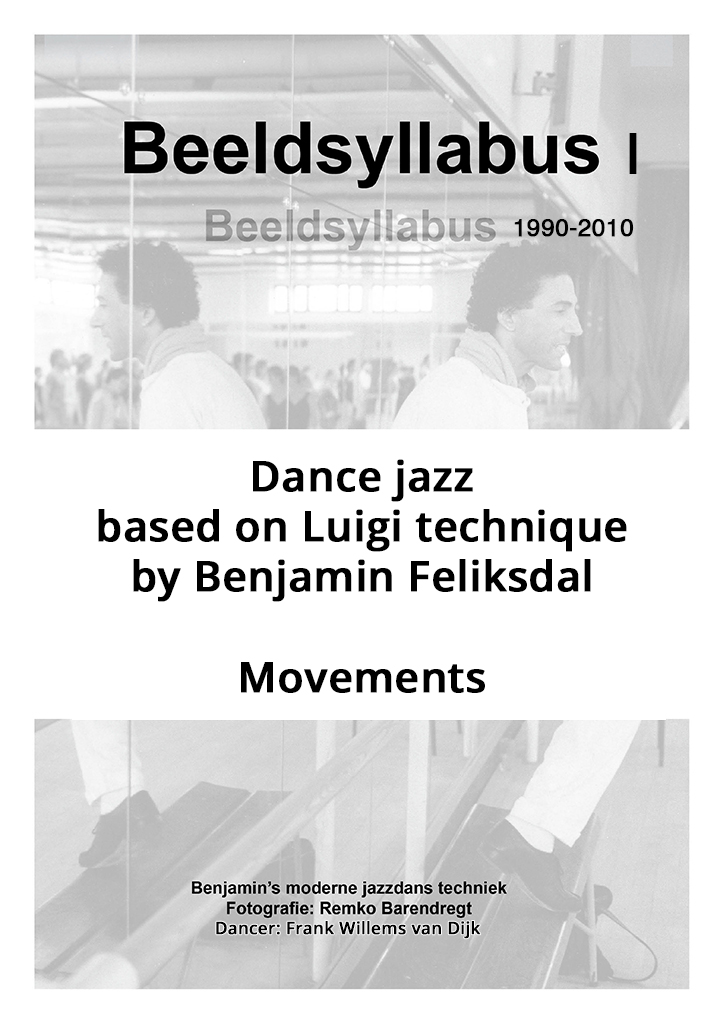
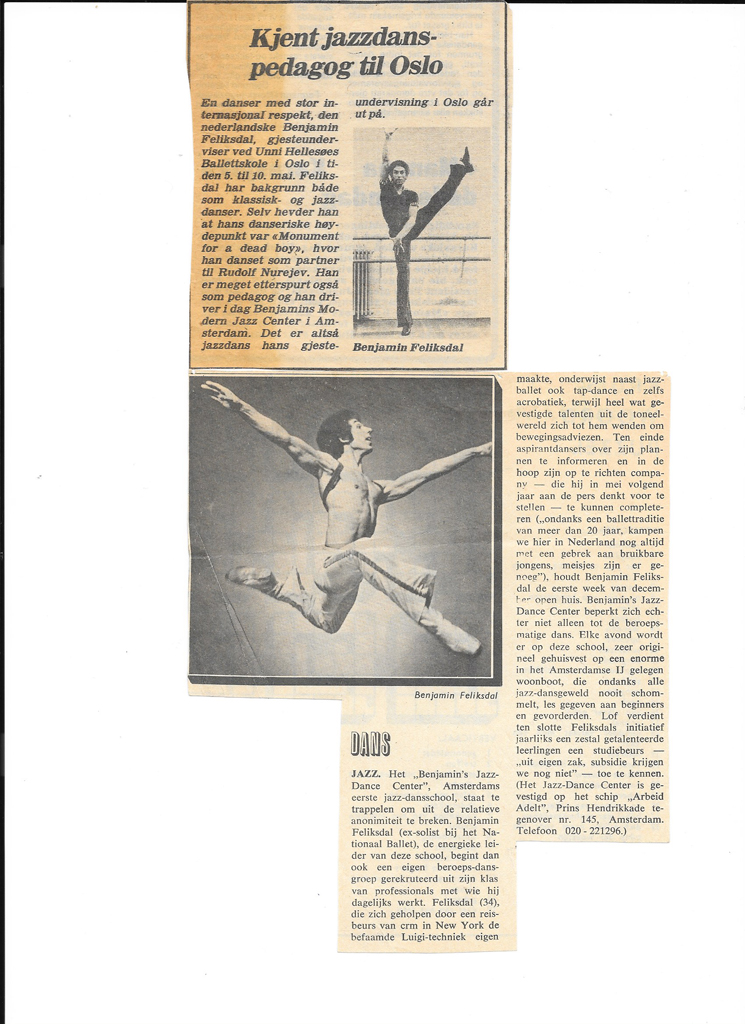
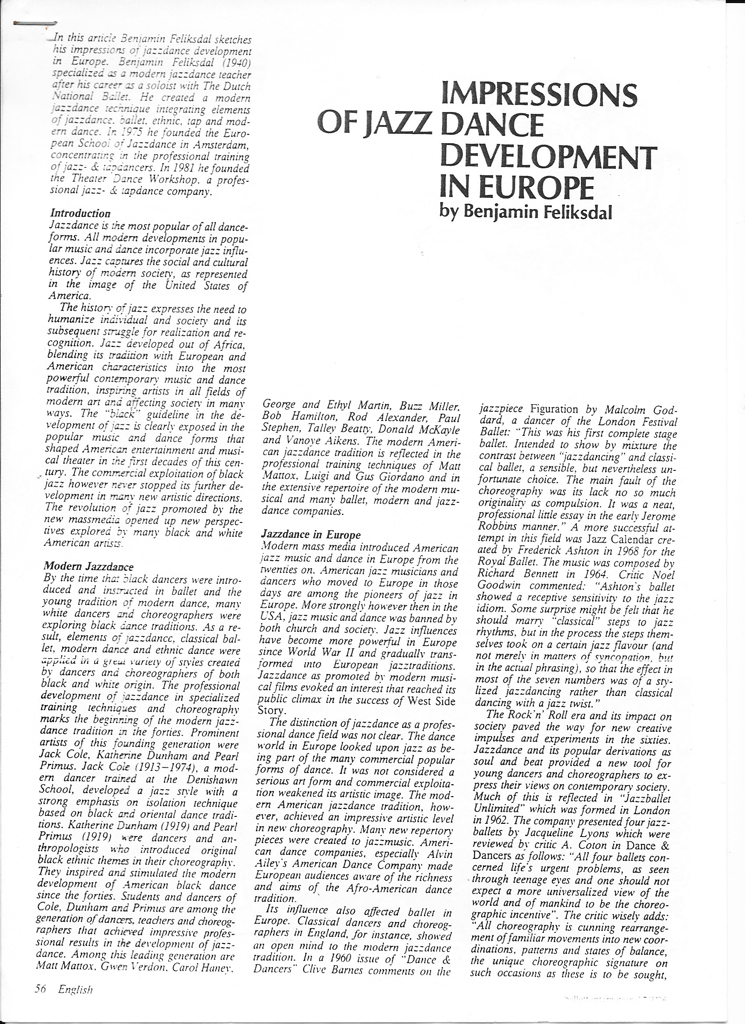
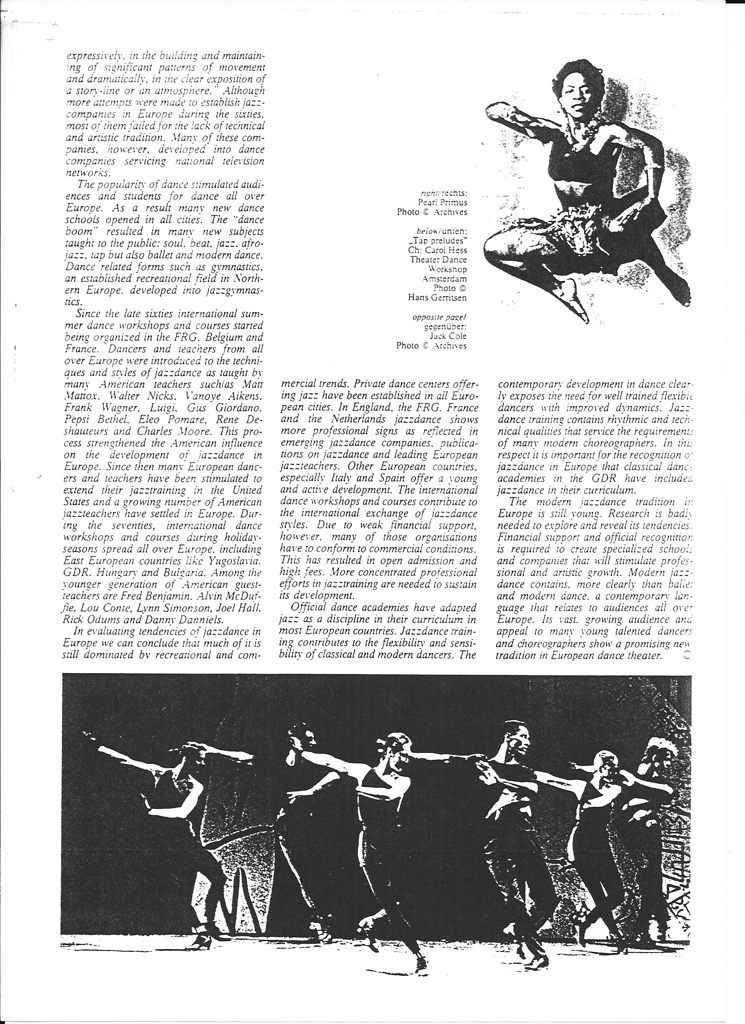
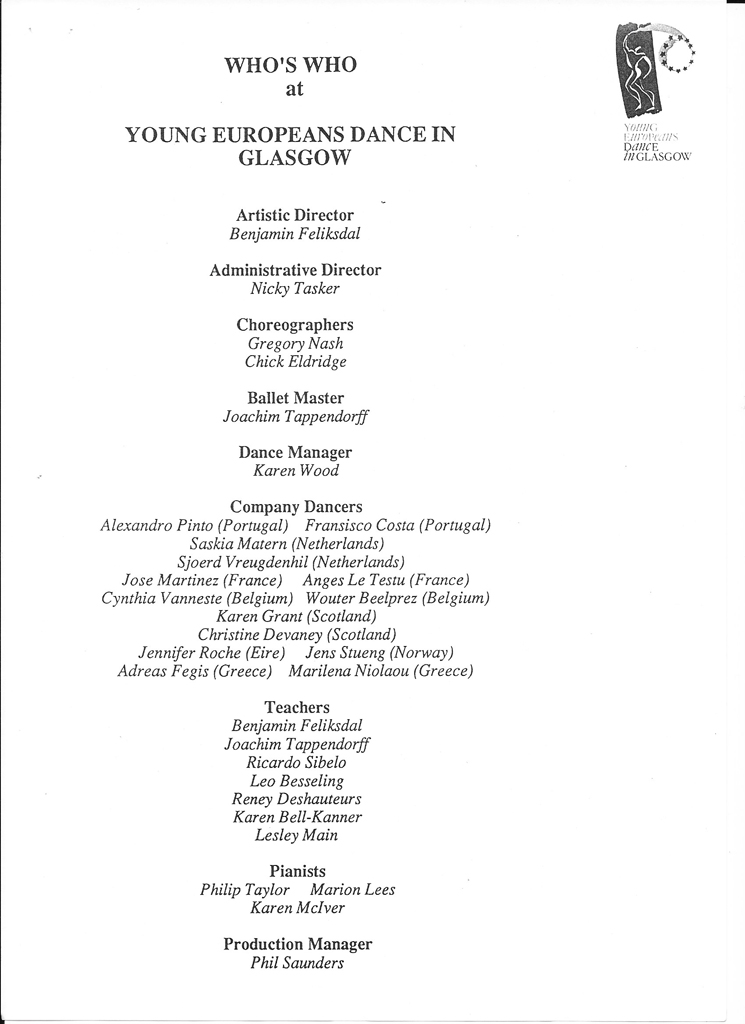
Born in 1940 January 22, Feliksdal began his professional dance training 1954-1958 in classical ballet and modern dance by well known Dutch pedagogues such as Florrie Rodrigo, Ineke Sluiter and Lucas Hoving (Lemon Company N.Y.C.). He continued his education in 1959-1960 with Pieter van der Sloot in Rome and finished his studies at the Marie Rambert school of ballet in London. In sept. 1960 he joined Het Nederlands Ballet from Sonia Gaskell. In the following year 1961 he joined the new National Ballet of the Netherlands under direction of Sonia Gaskell and since 1965 with co-artistic director Rudi van Dantzig. Other teachers and choreographers he worked with were Nathalia Orlowskaya, Vitaly Ossins, Igor Belski, Hector Zaraspe, Roland Casenave, Karel Shook, Leonid Massine, Maurice Béjart, George Balanchine, John Taras, Pearl Lang, Kurt Jooss and Rudi van Dantzig.
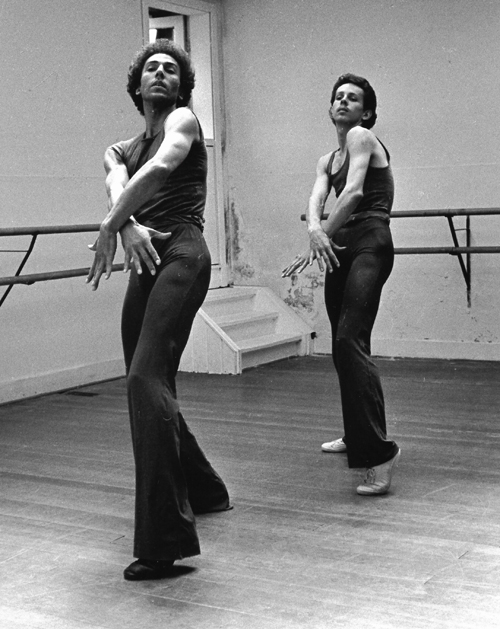
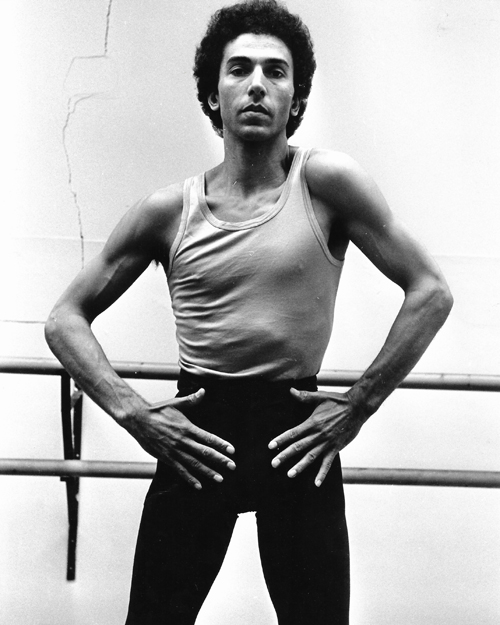
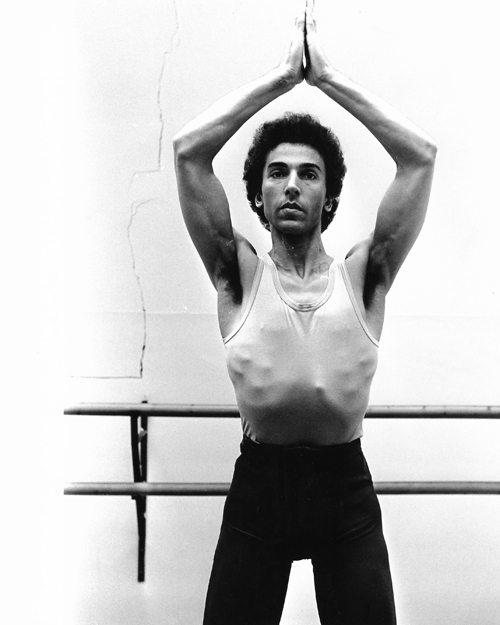
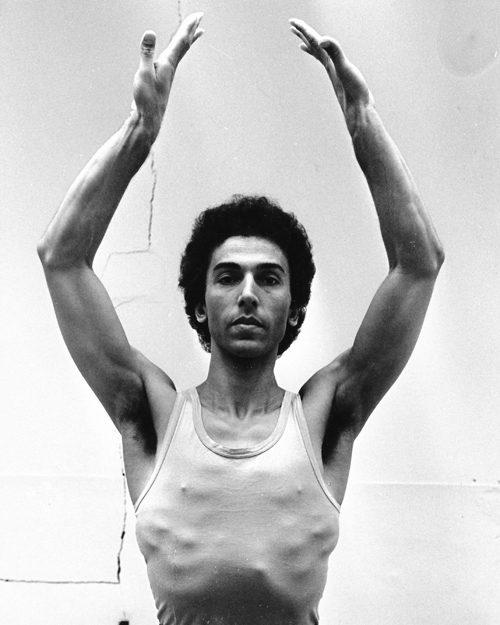
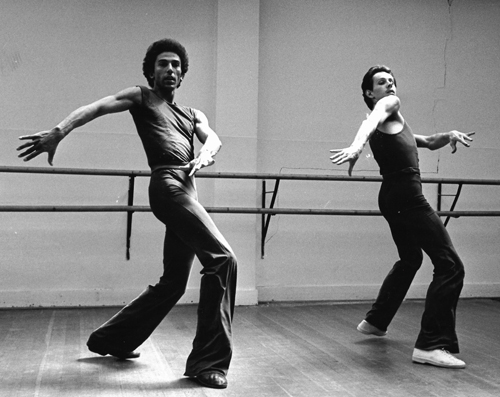
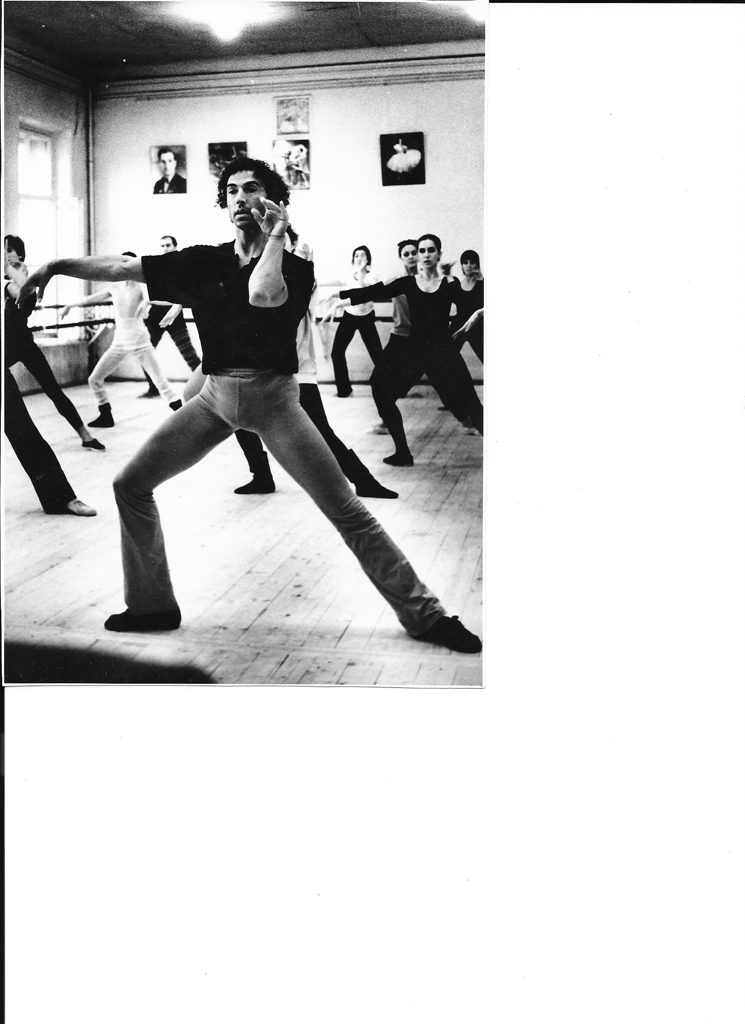
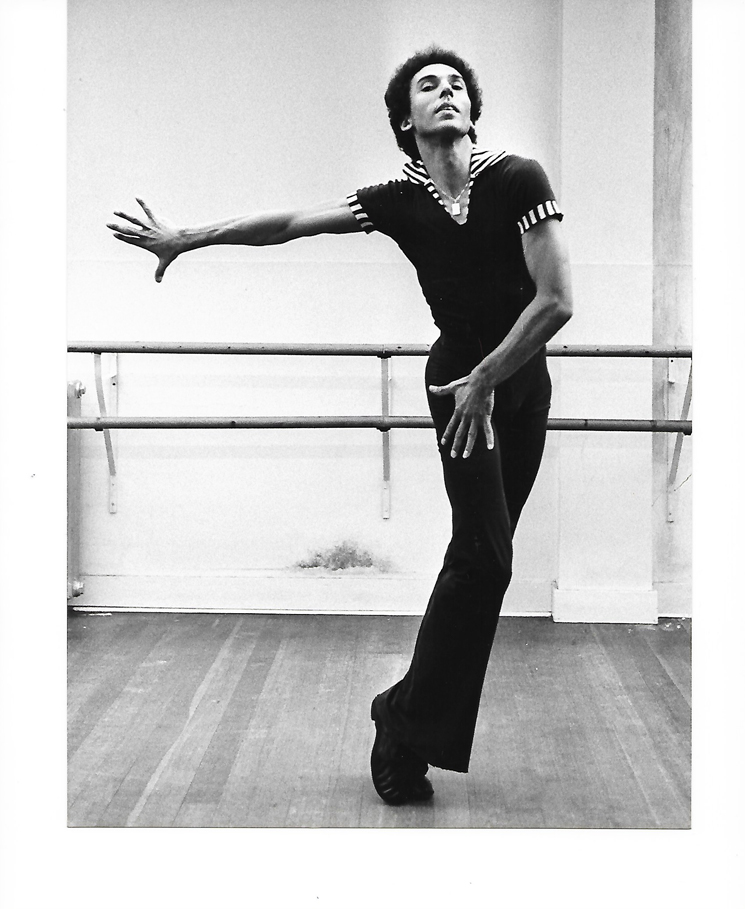
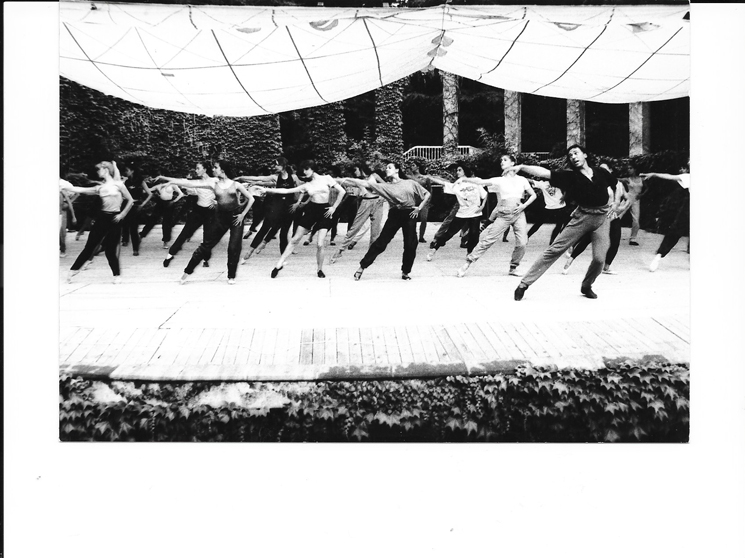
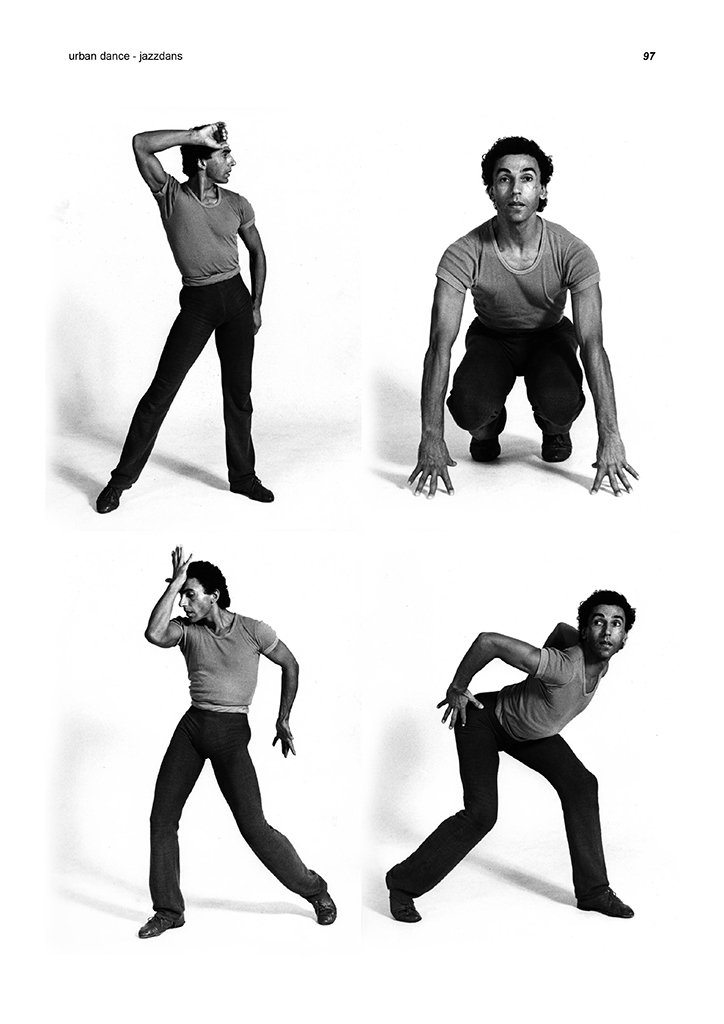
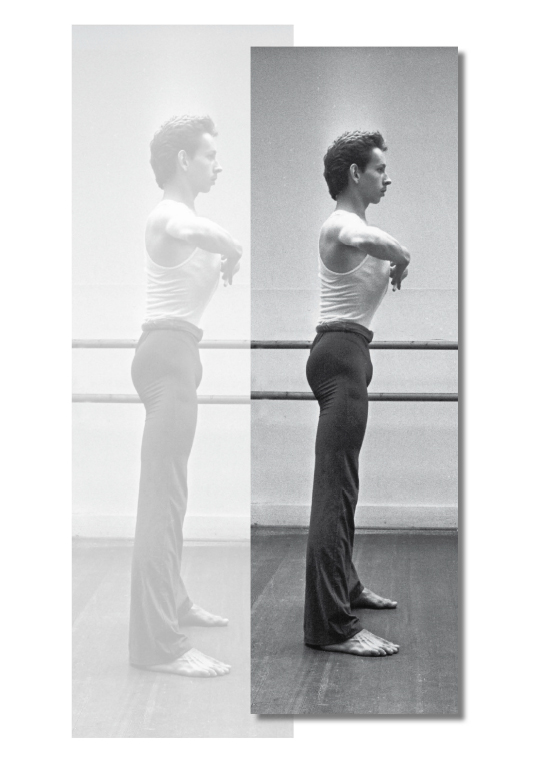
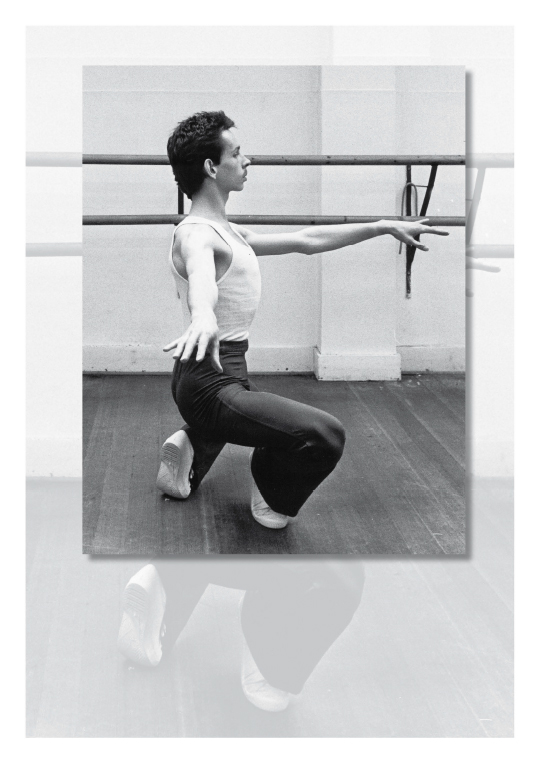
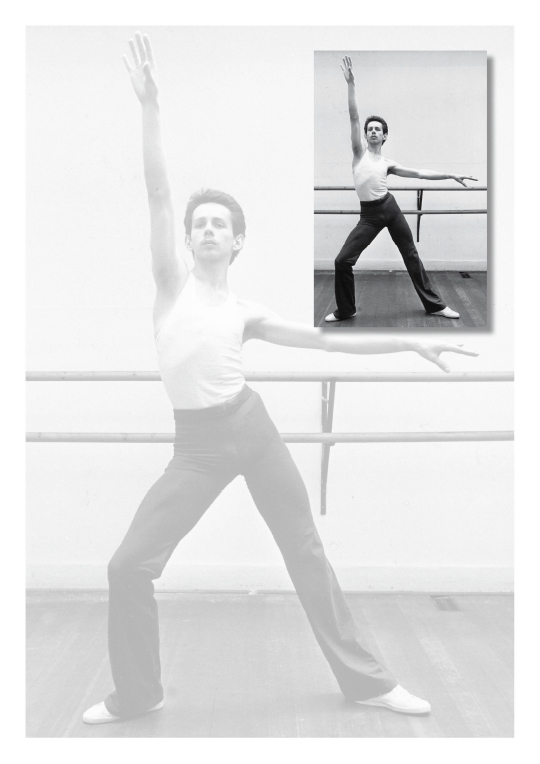
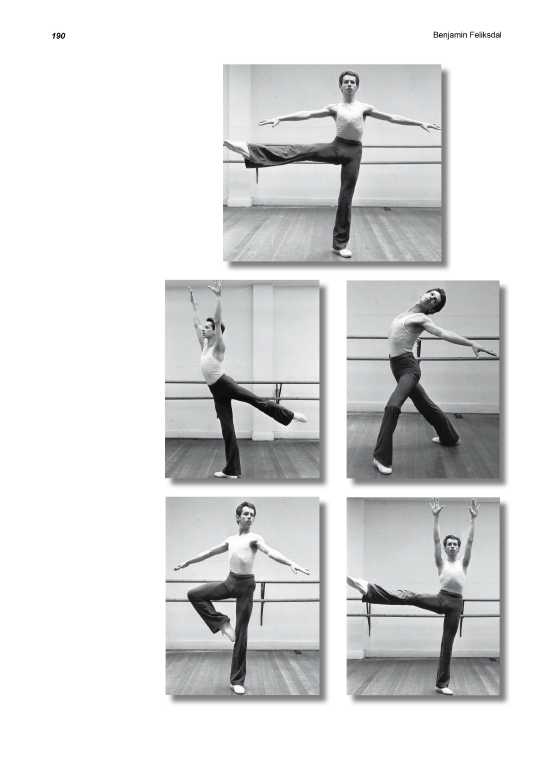
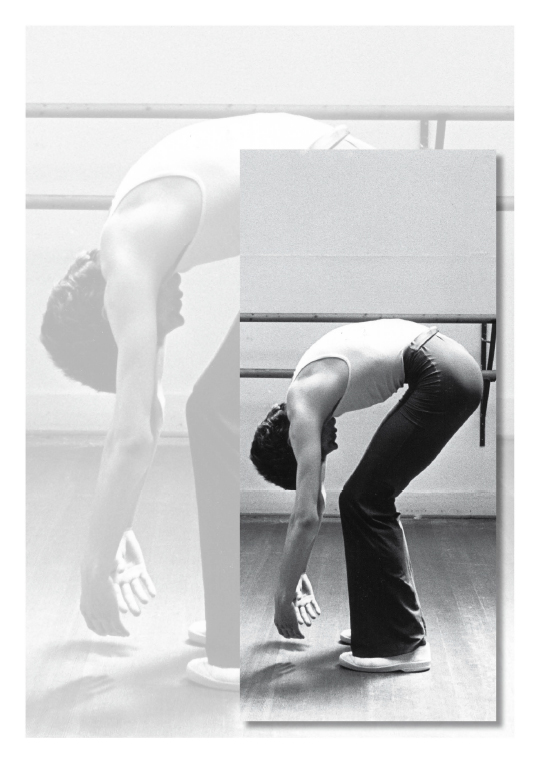
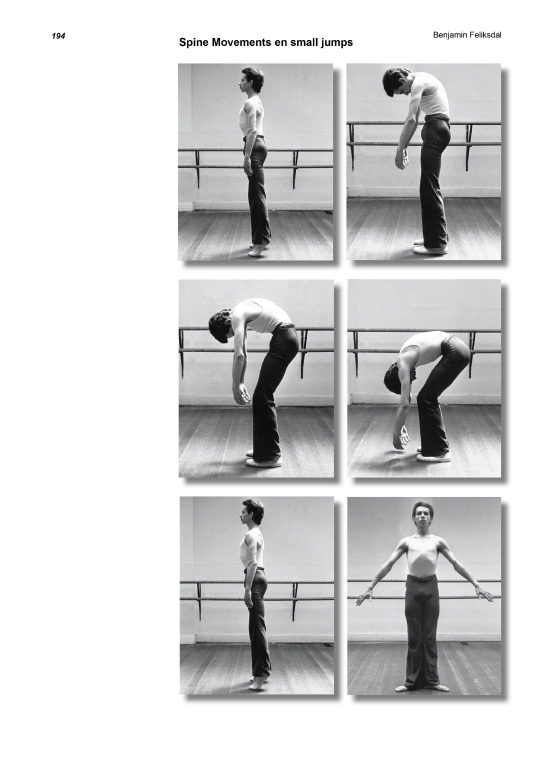
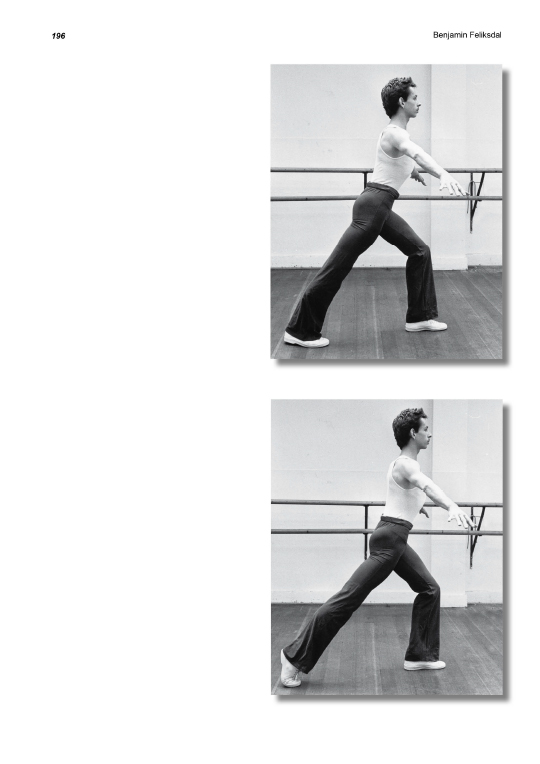
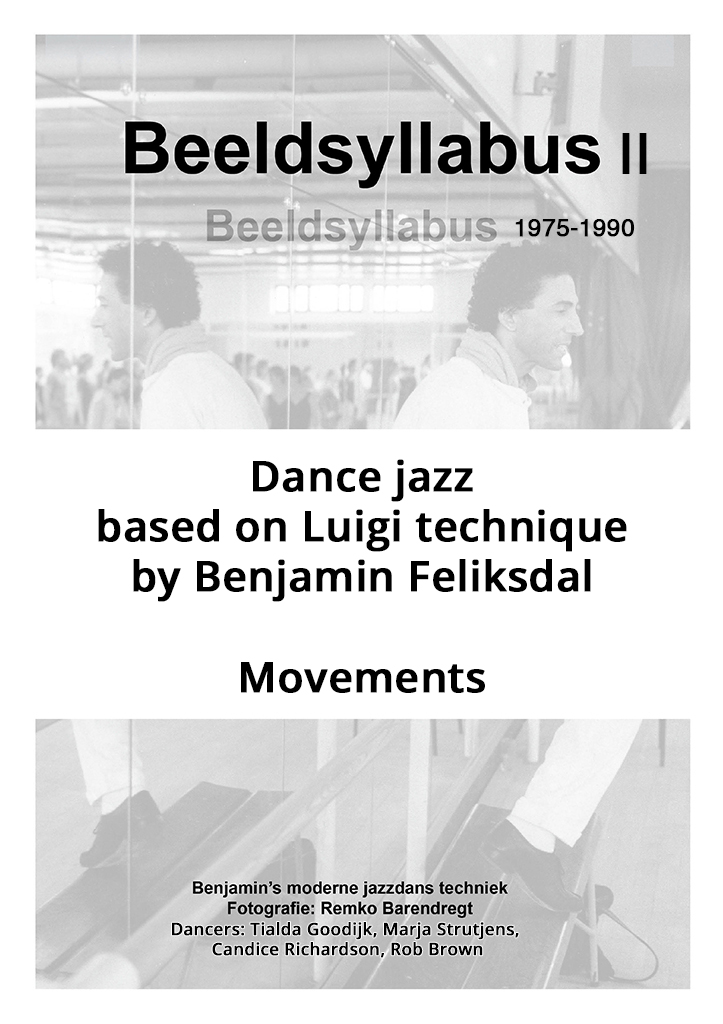
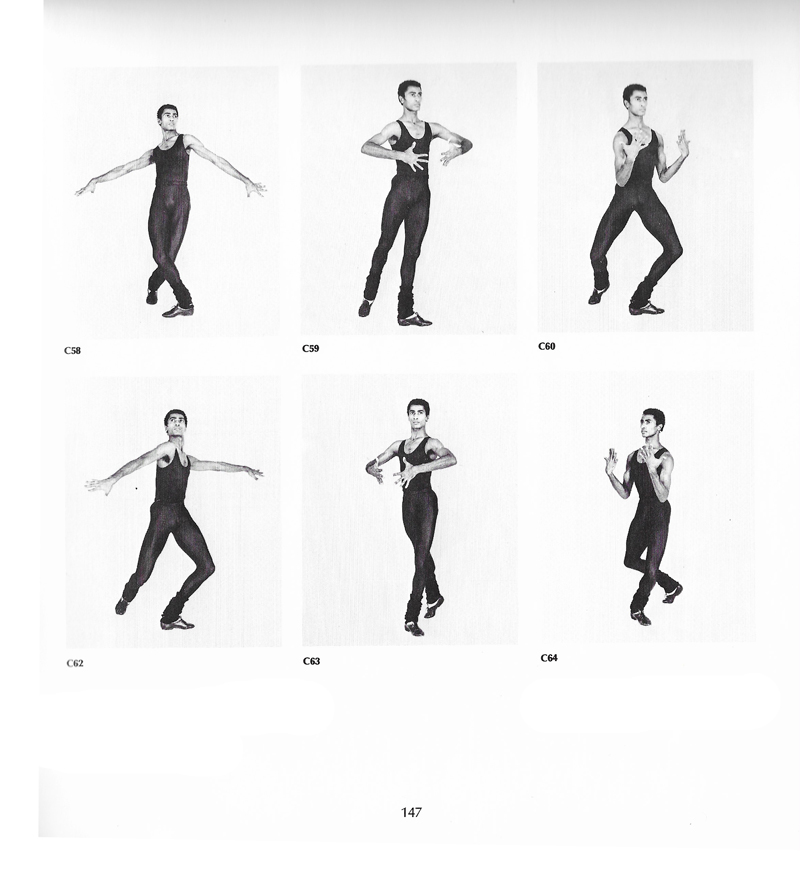
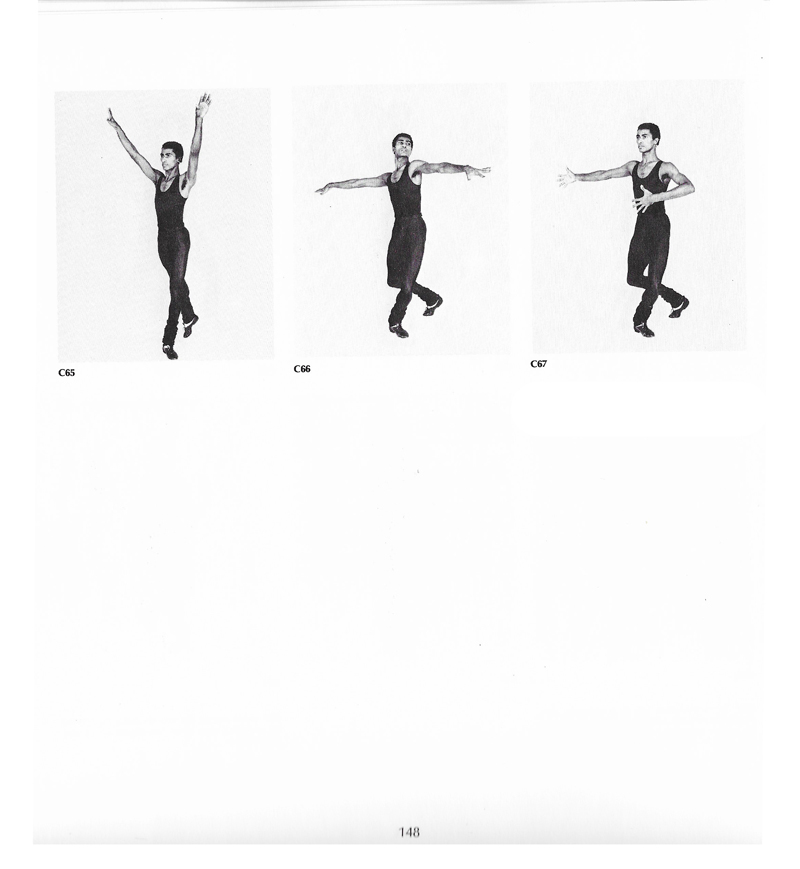
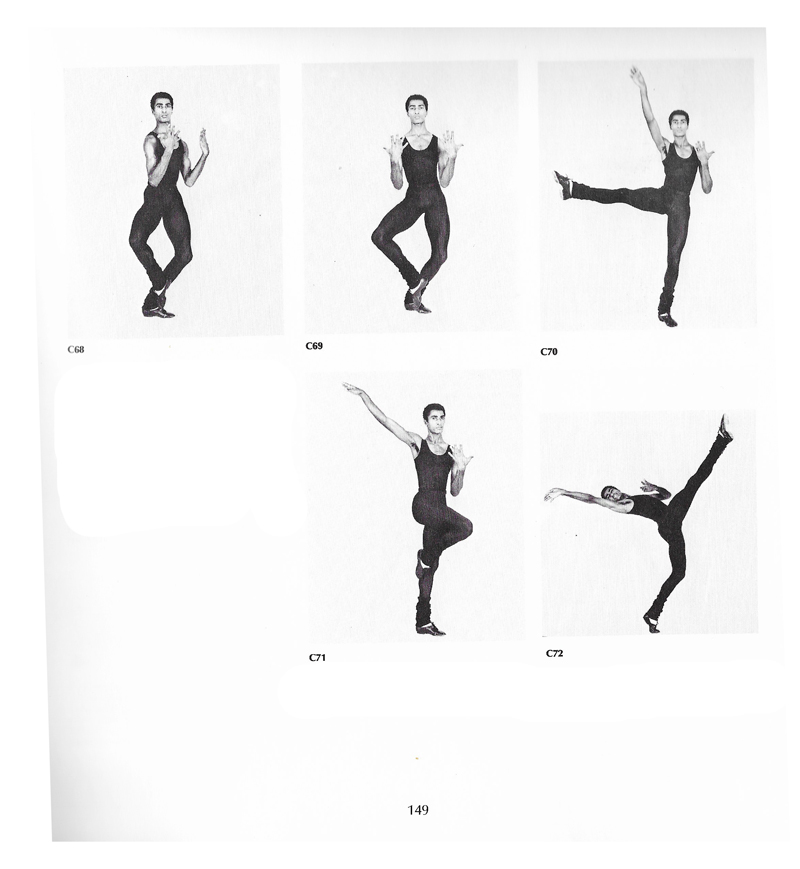
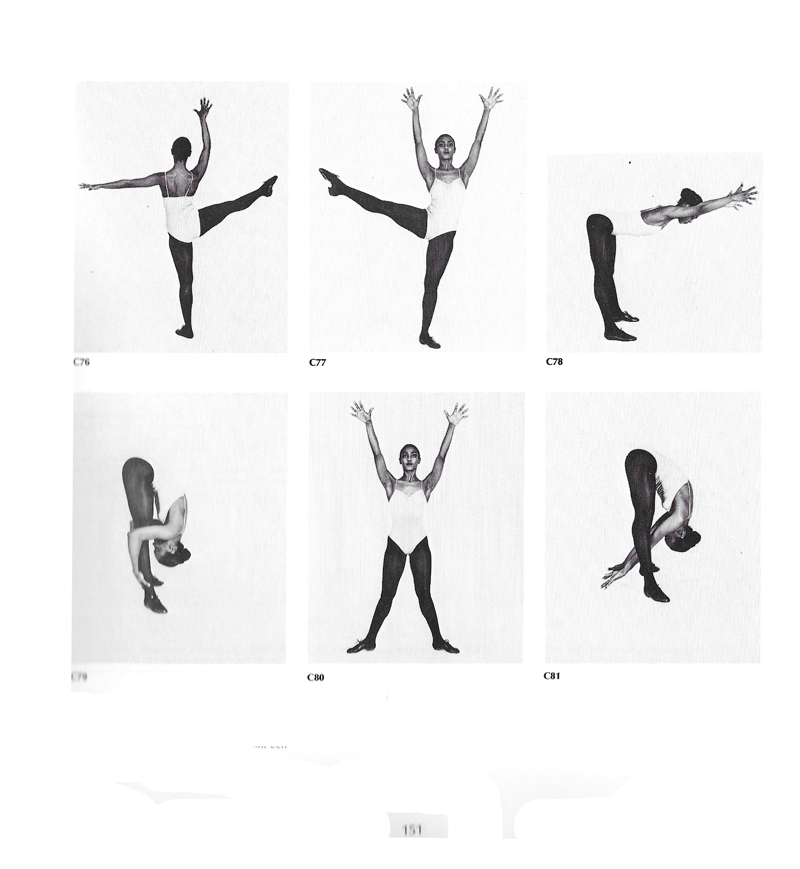
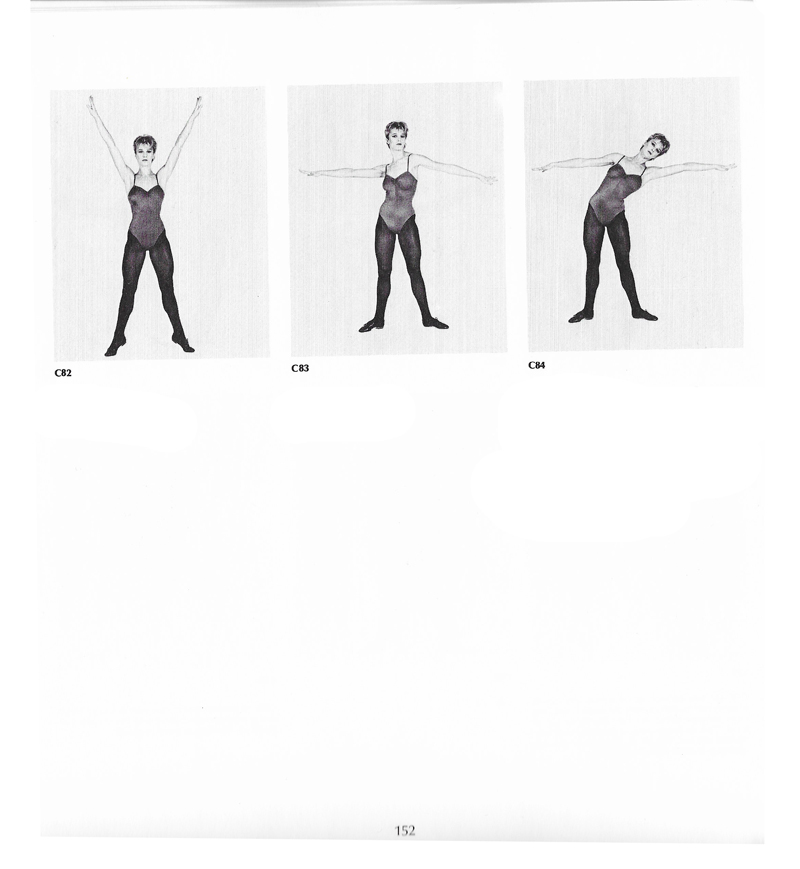
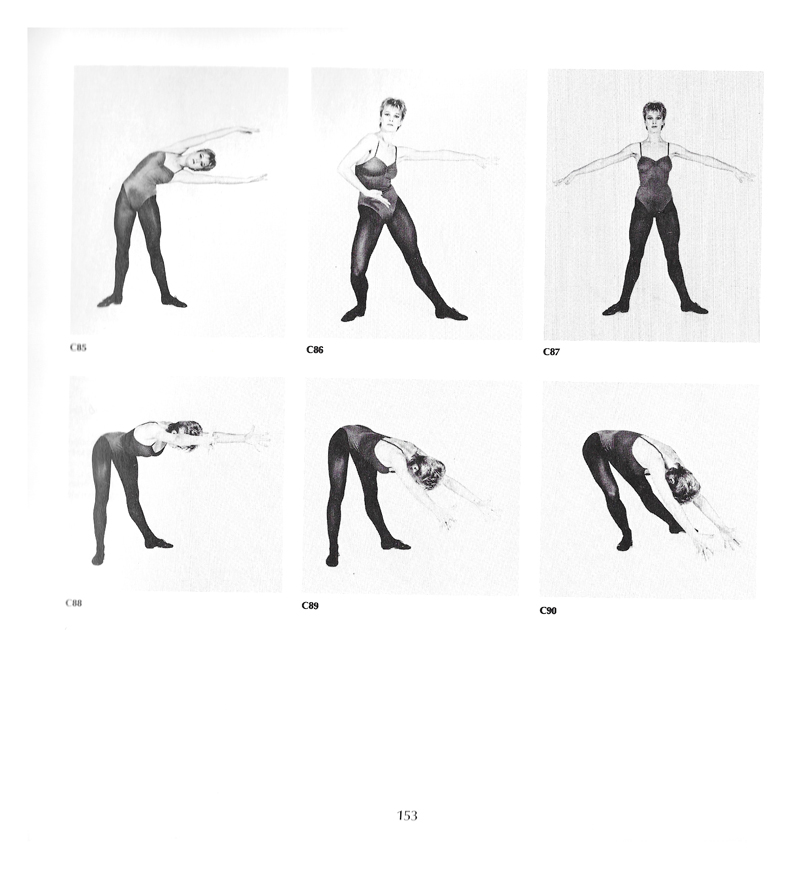
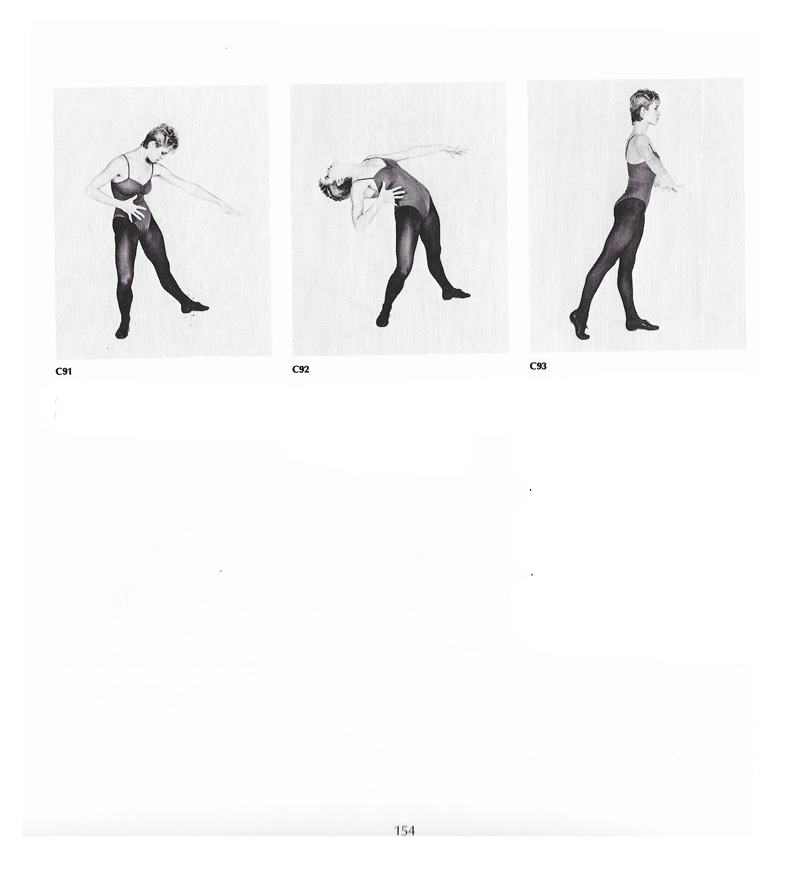
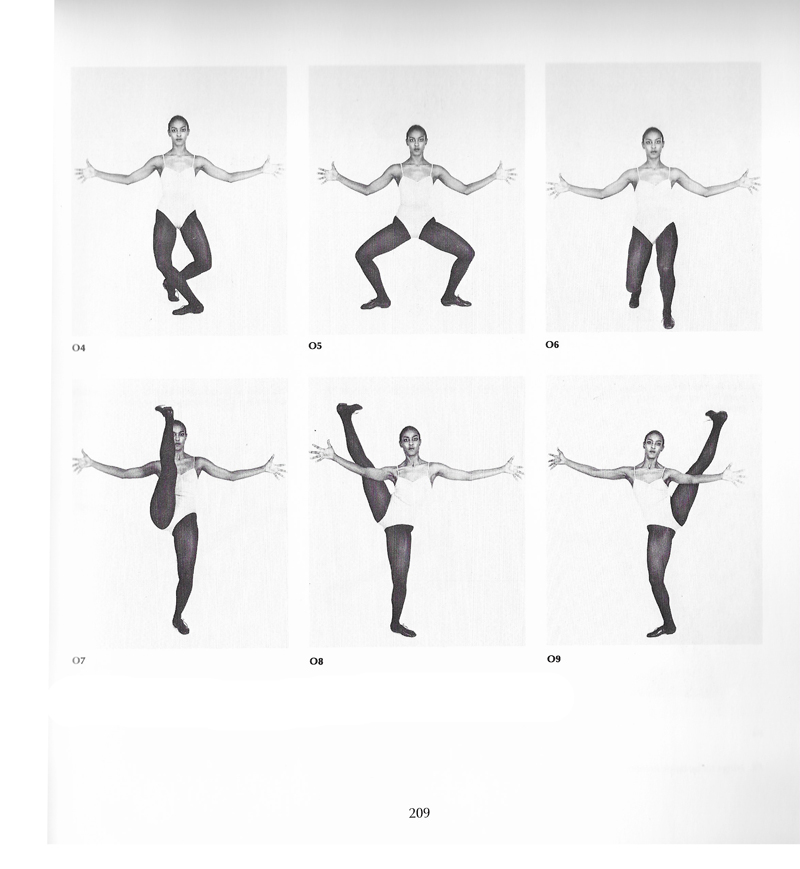
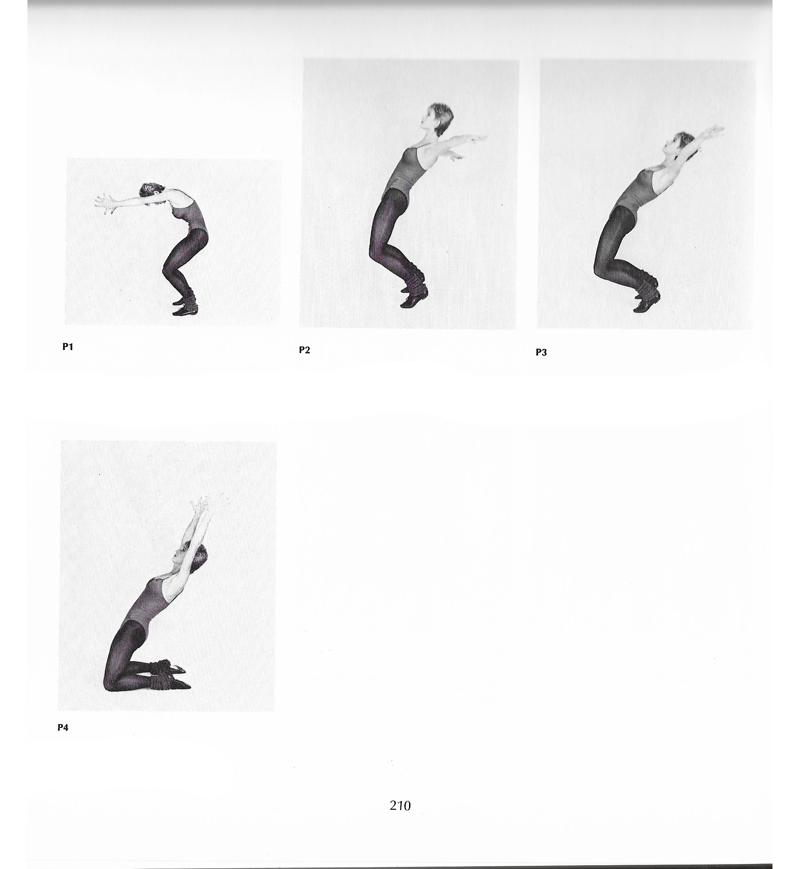
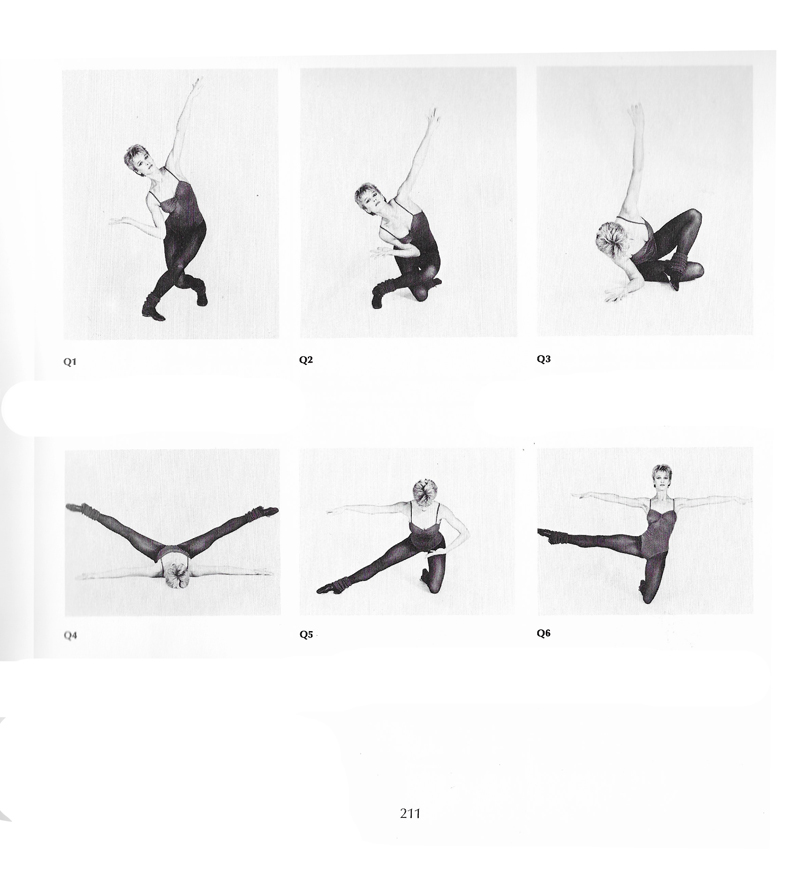
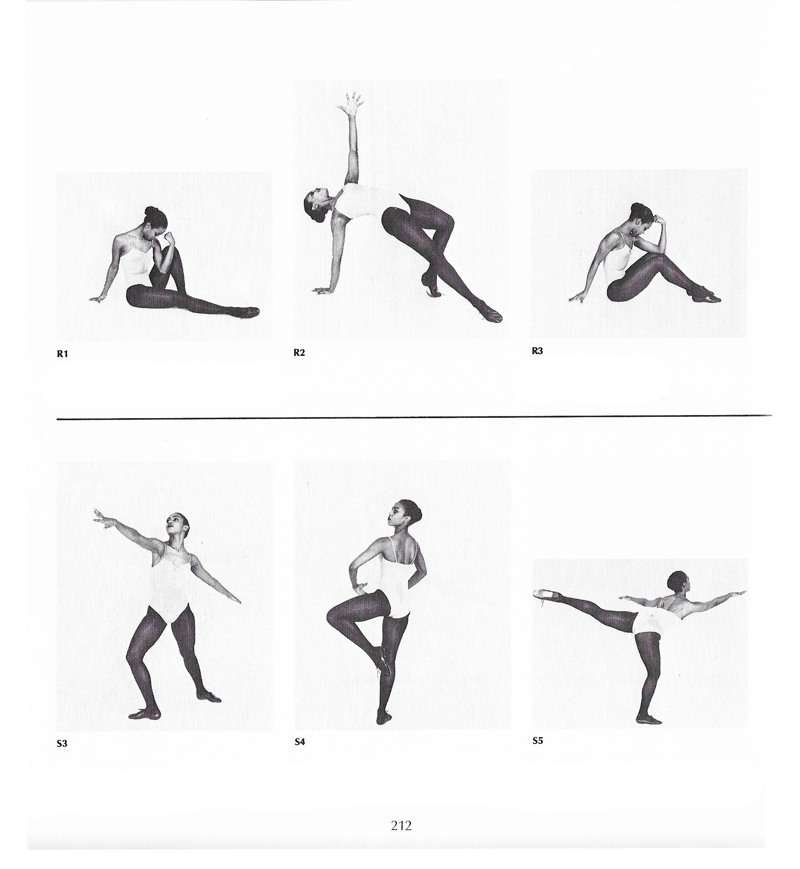
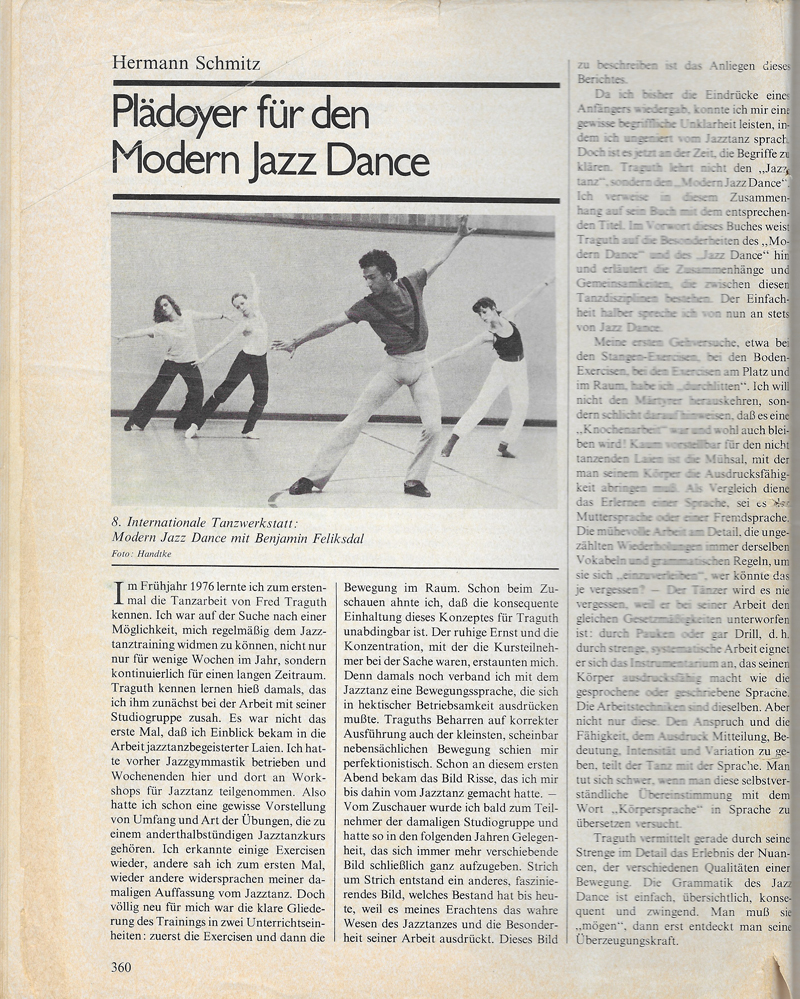
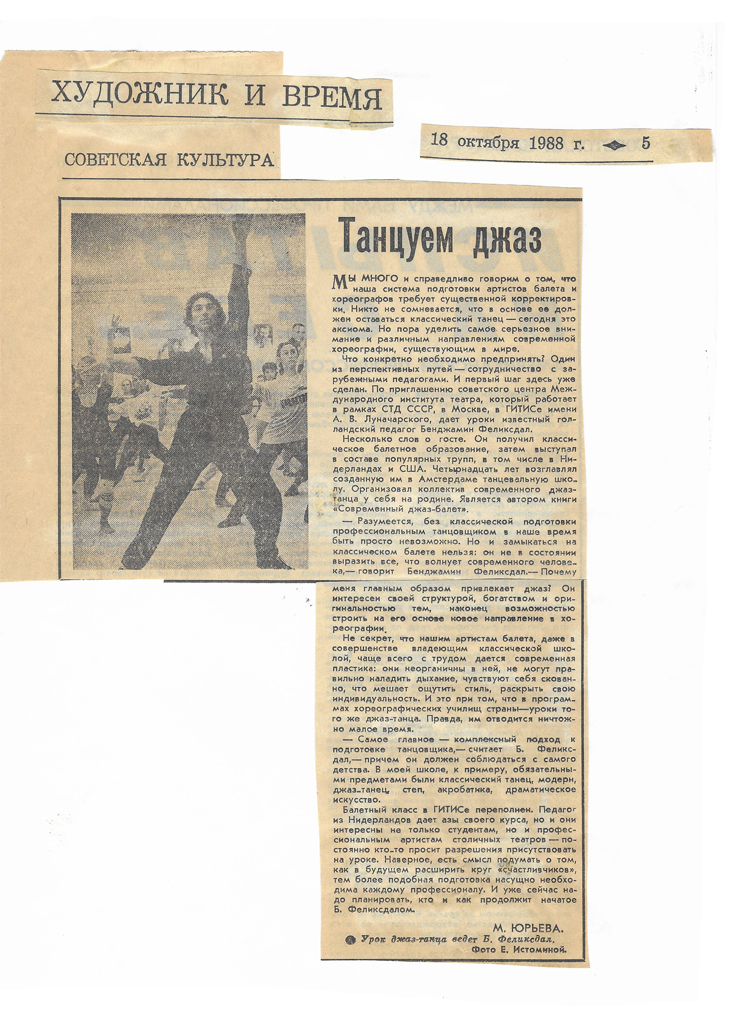
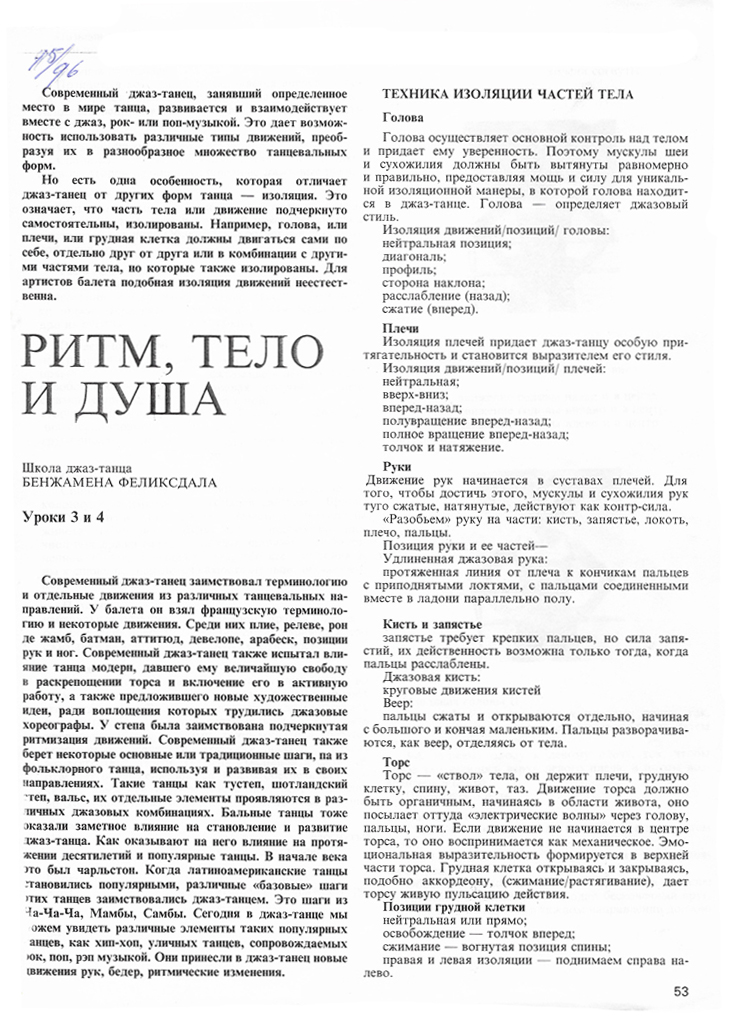
Benjamin Feliksdal Since 1975 The European Innovater and Master Teacher of Modern Jazz Dance Technique based on the Luigi-technique. There is somecomparison with Luigi, Benjamin also has some strong connection to the two worlds of the dance, classical ballet and modern dance. Feliksdal met Luigi in the sixties for the first time in Paris, where Luigi was invited to teach an convention dance workshop. Feliksdal was immediatly atracted to his work, his method of teaching and his natural elegant moving style was alluring for that time and impressively. Feliksdal went in 1973 for two years to New York to study with him to master his style of dance.
Benjamin Feliksdal Sinds 1975 De European Innovater en Master Teacher of Modern Jazz Dance Technique gebaseerd op de Luigi-techniek. Er is een vergelijking met Luigi, Benjamin heeft ook een sterke band met de twee werelden van de dans, klassiek ballet en moderne dans. Feliksdal ontmoette Luigi in de jaren zestig voor het eerst in Parijs, waar Luigi werd uitgenodigd om een conventie dansworkshop te geven. Feliksdal werd onmiddellijk aangetrokken door zijn werk, zijn manier van lesgeven en zijn natuurlijke elegante bewegingsstijl waren aantrekkelijk en indrukwekkend voor die tijd. Feliksdal ging in 1973 voor twee jaar naar New York om bij hem te studeren om zijn dansstijl onder de knie te krijgen.



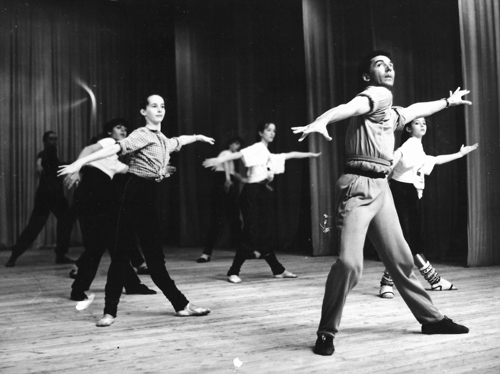
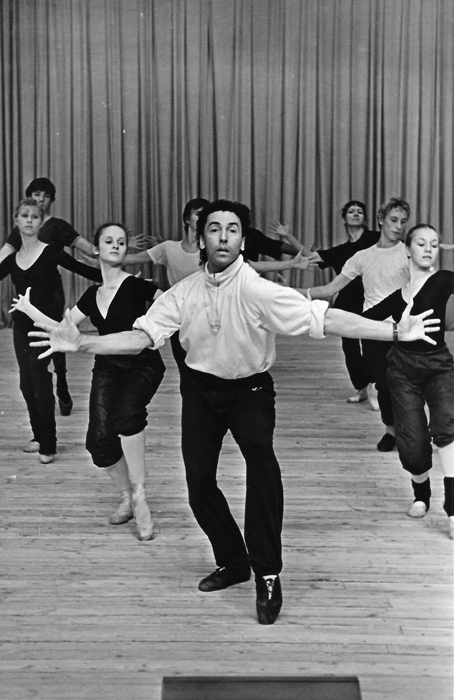

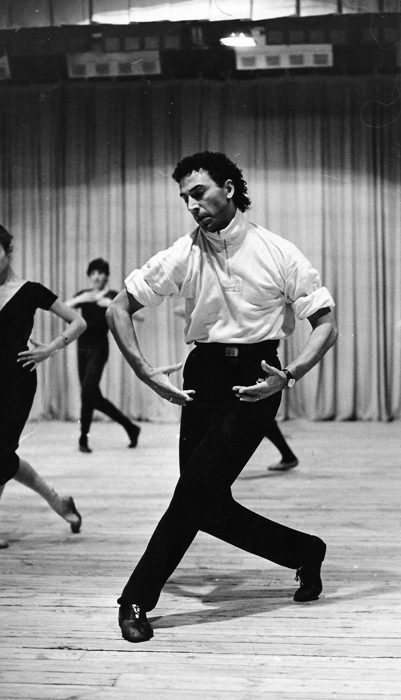

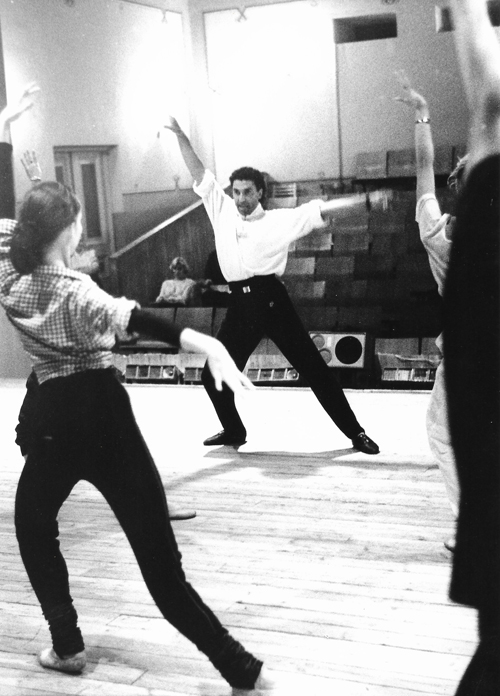
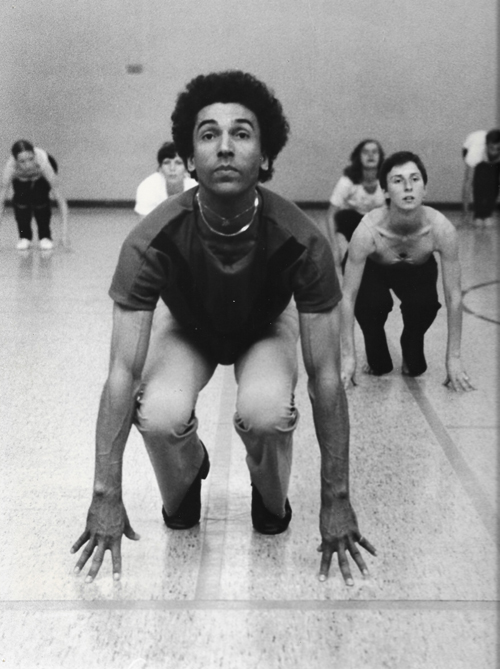
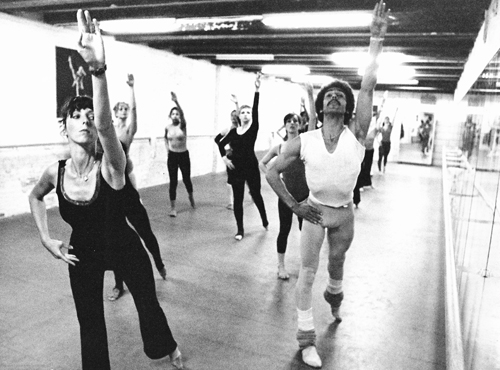


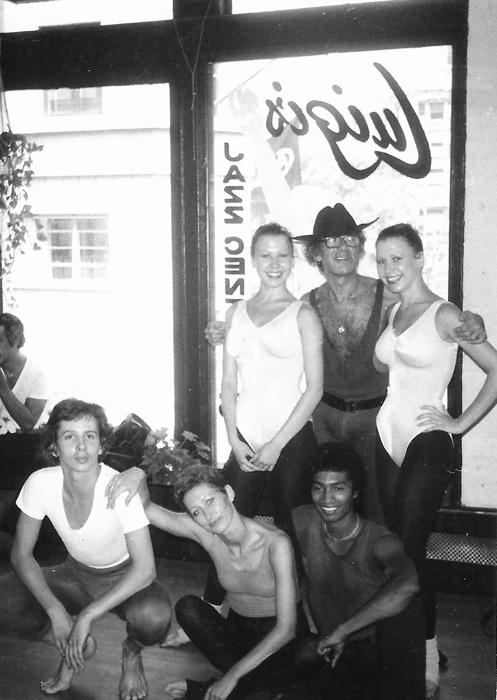


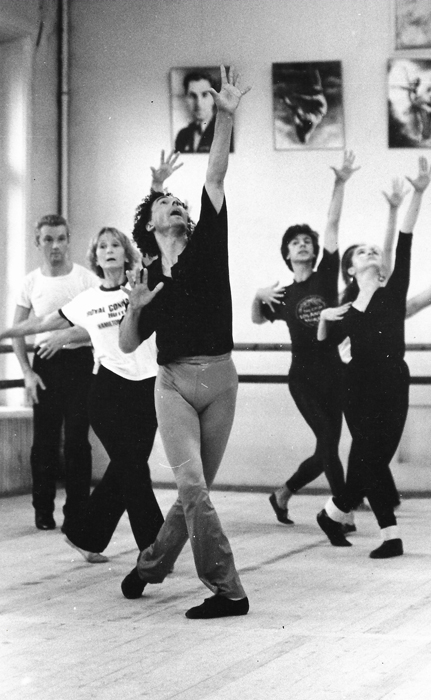
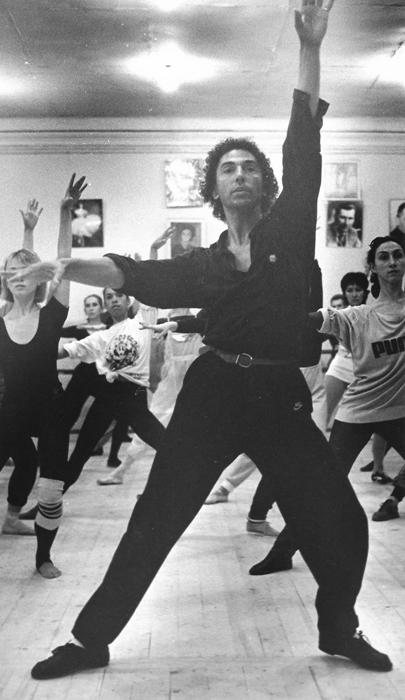


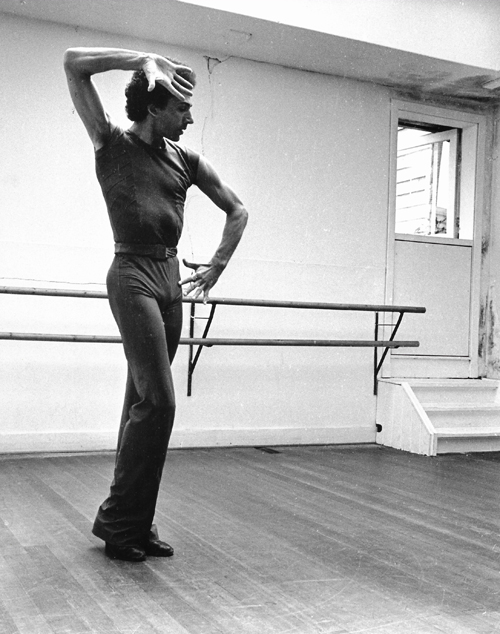
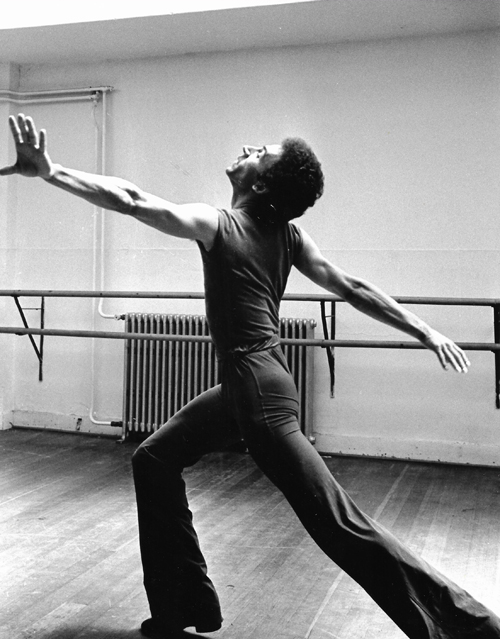


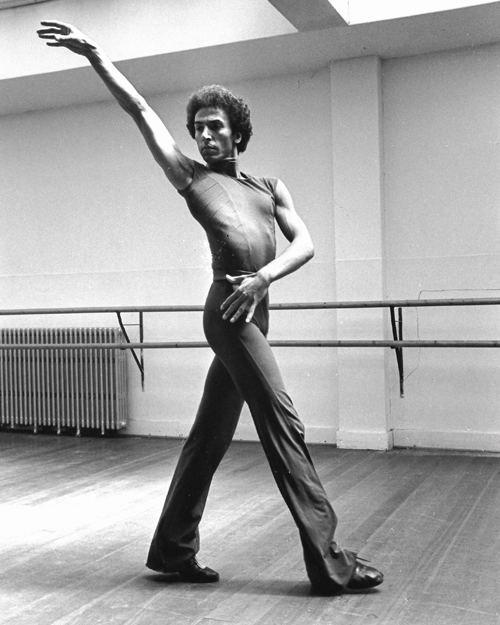
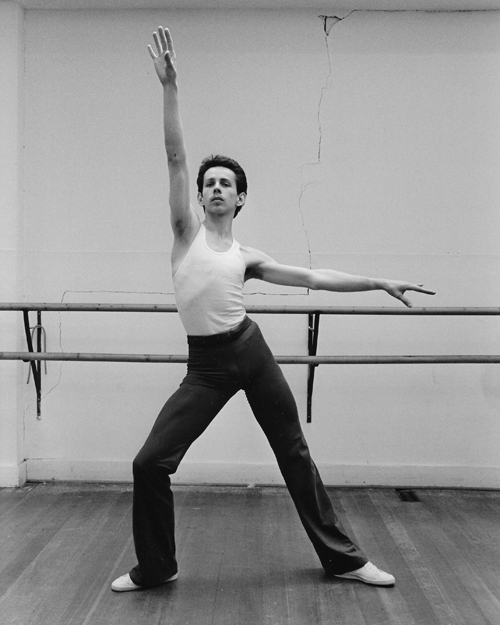
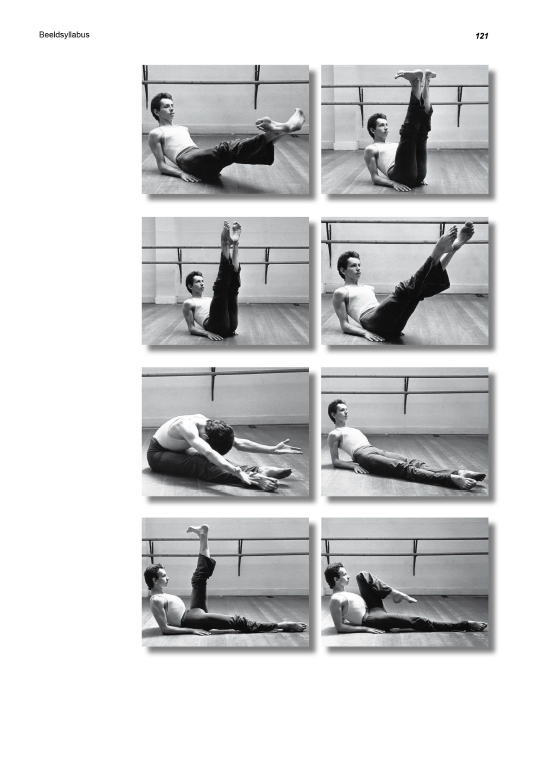
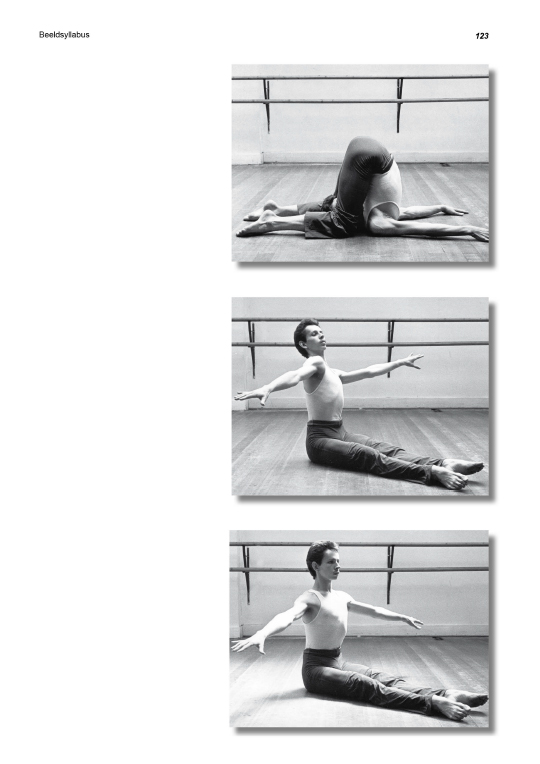
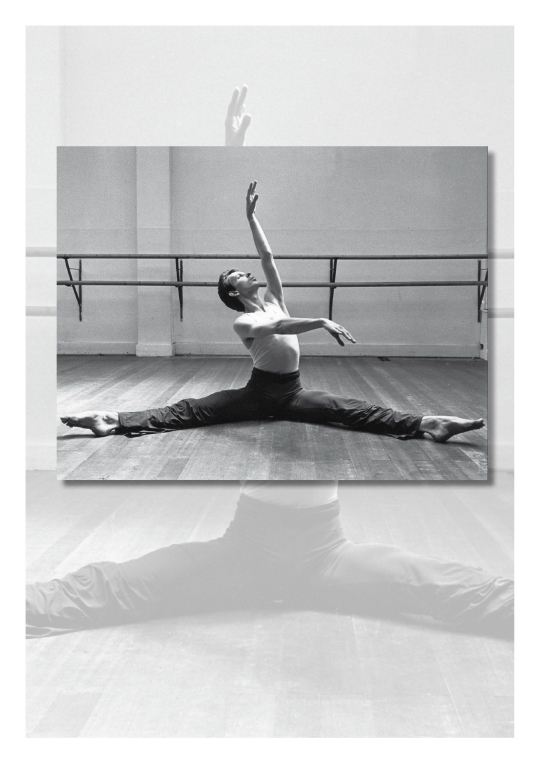
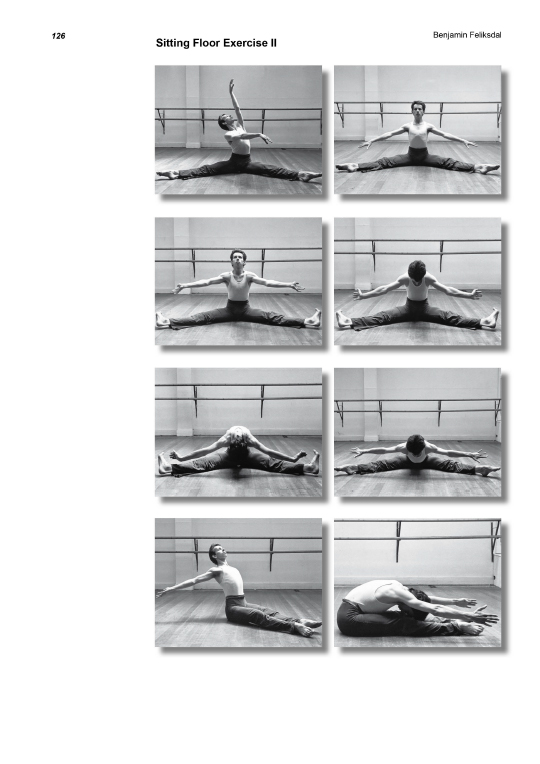
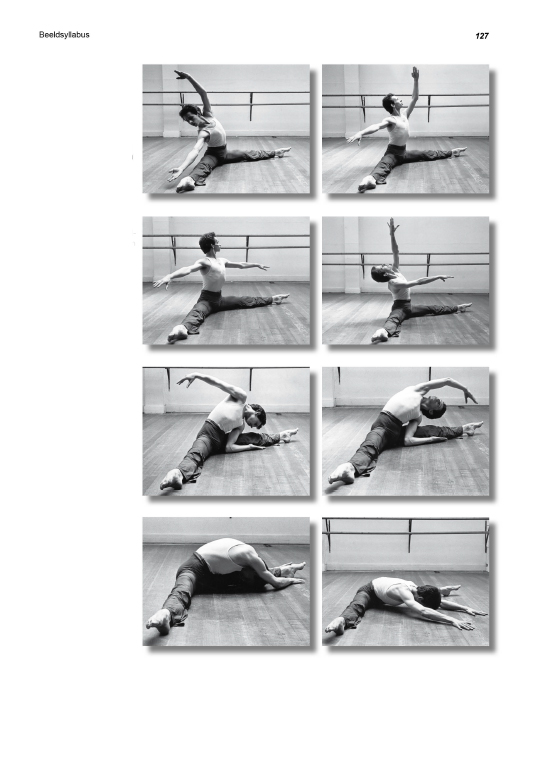
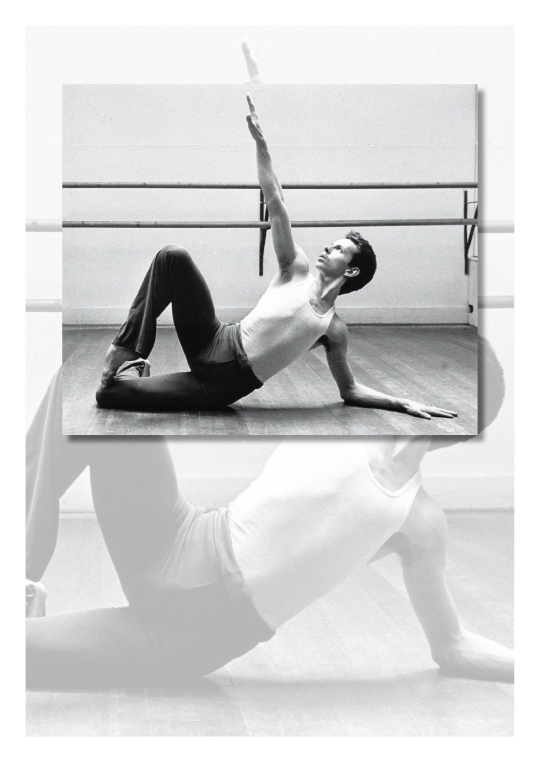
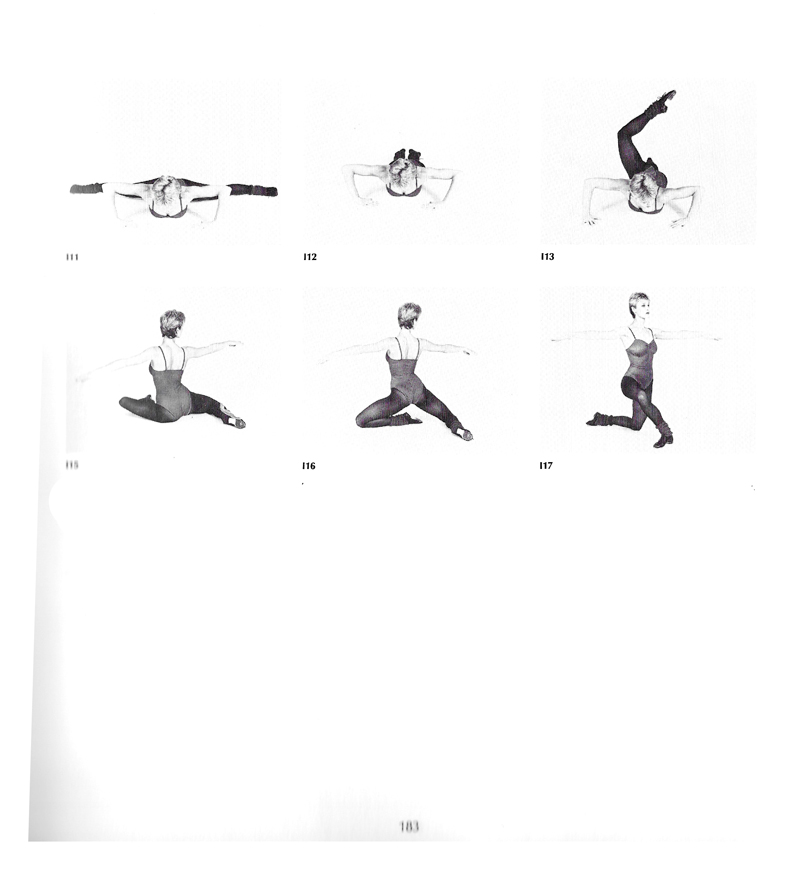
Fotografie:
Remko Barendregt
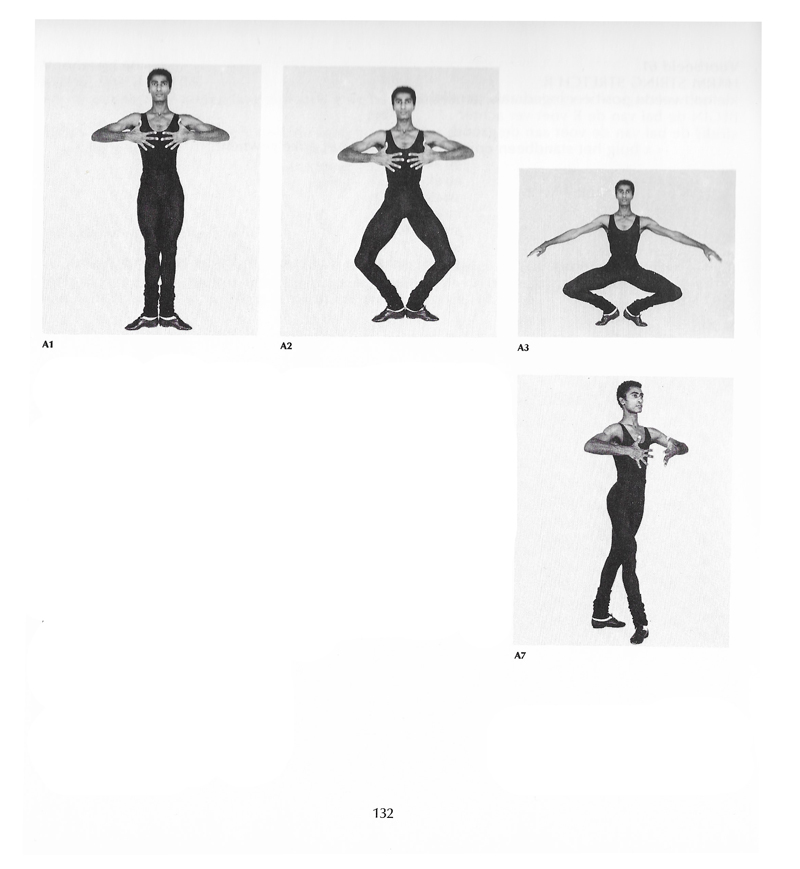
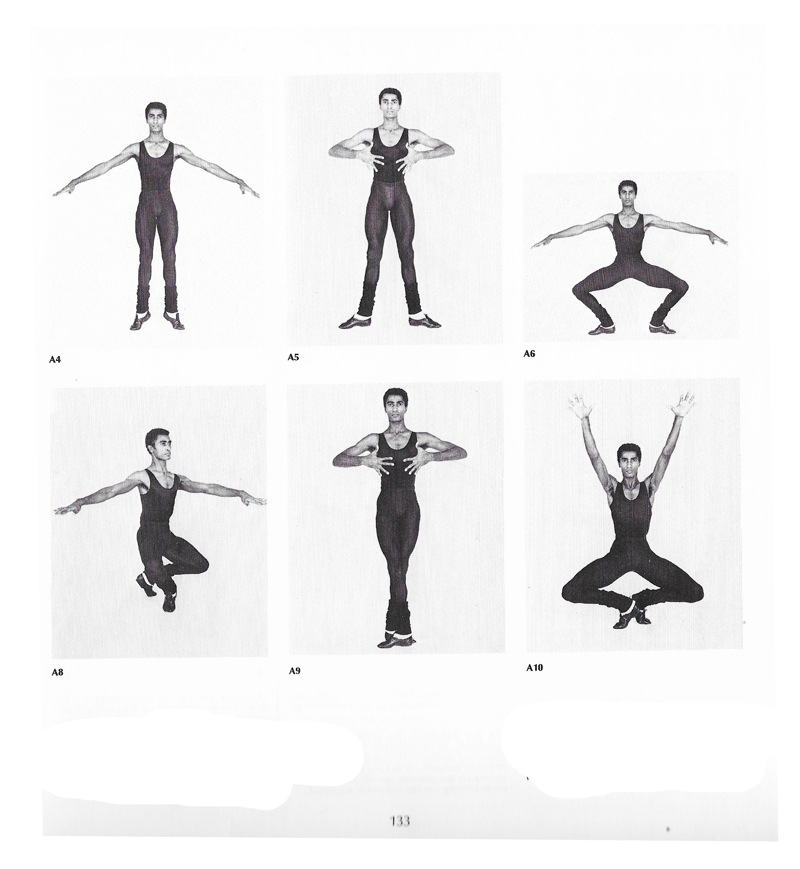
Danser:
Frank Willems van Dijk





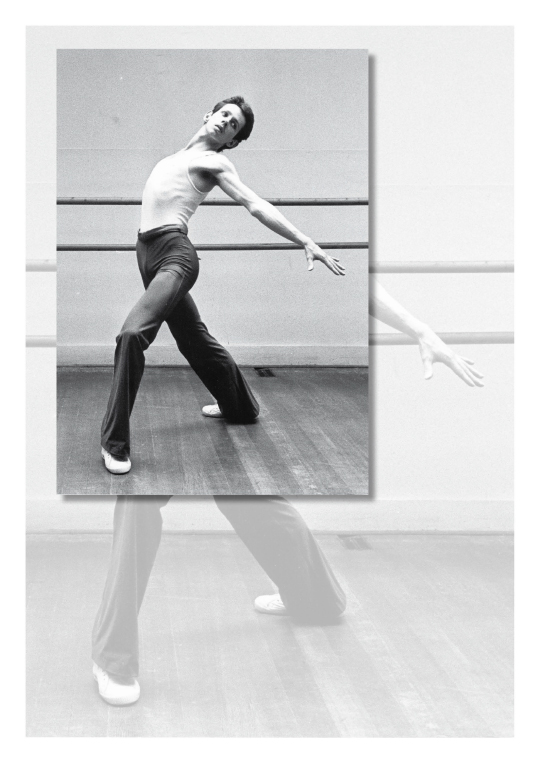
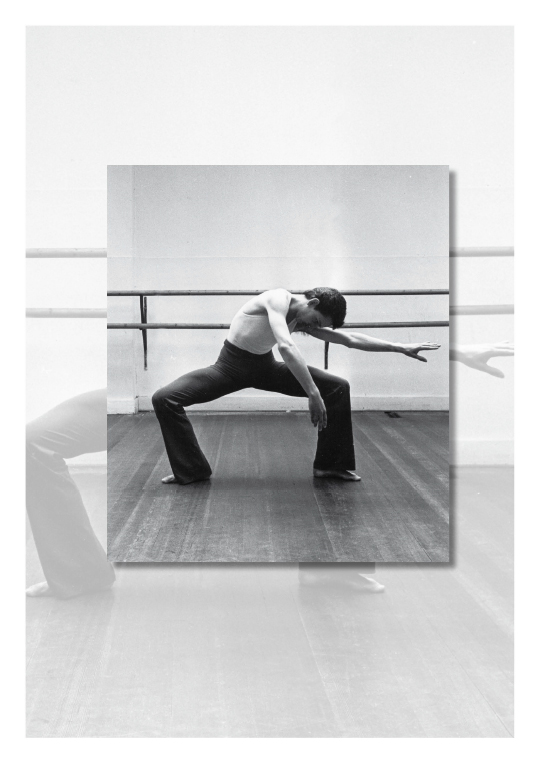

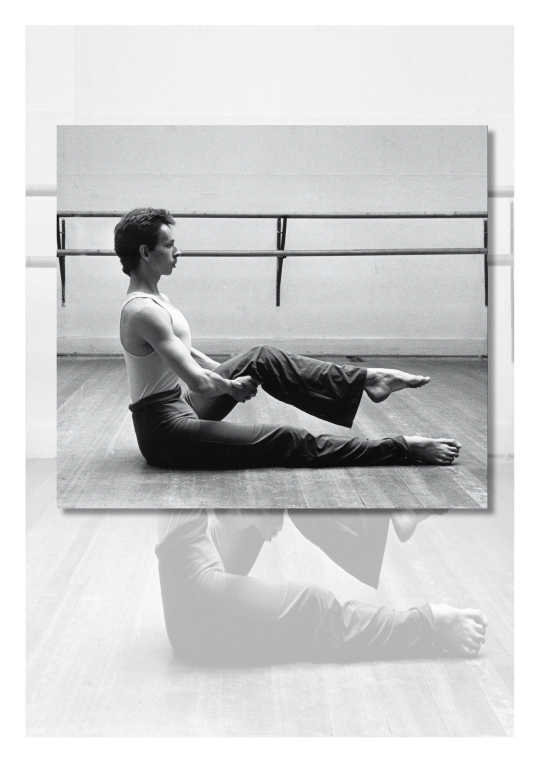
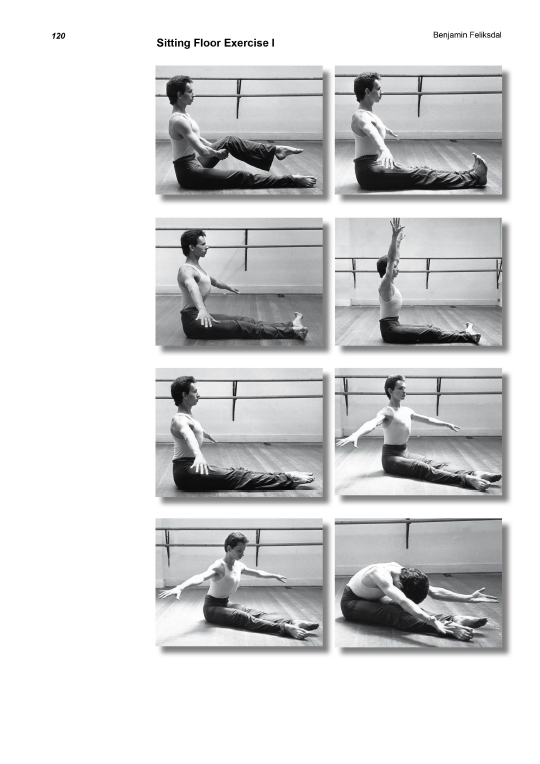



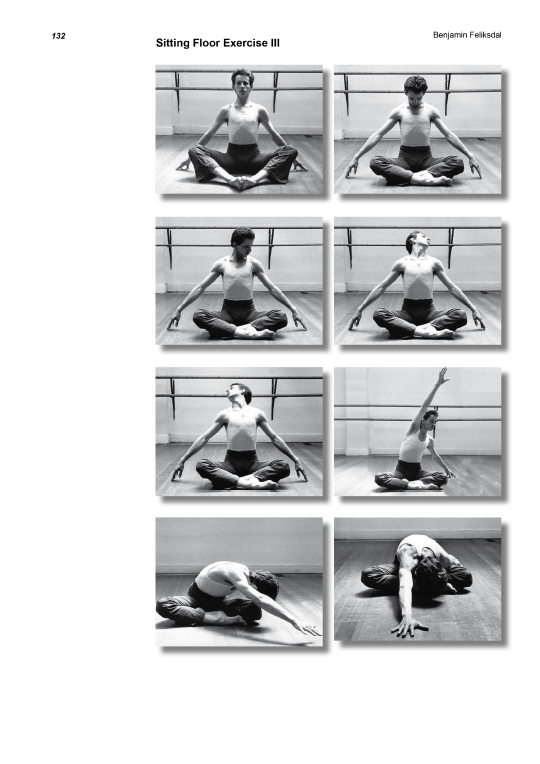
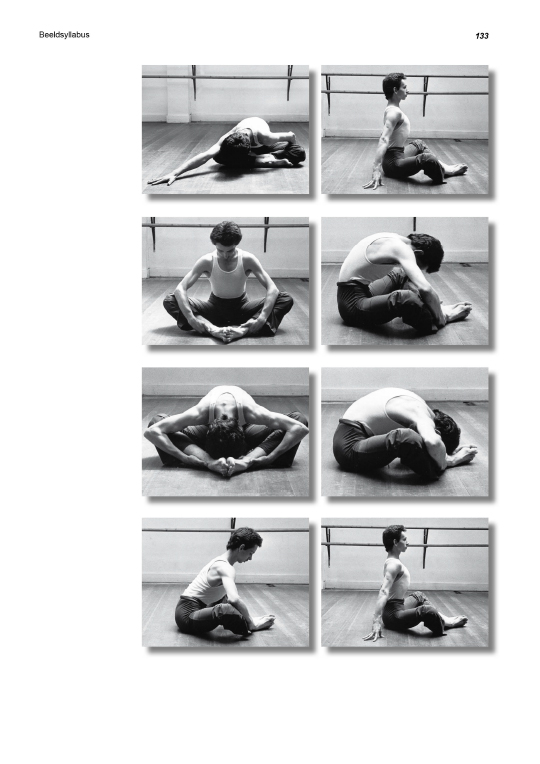

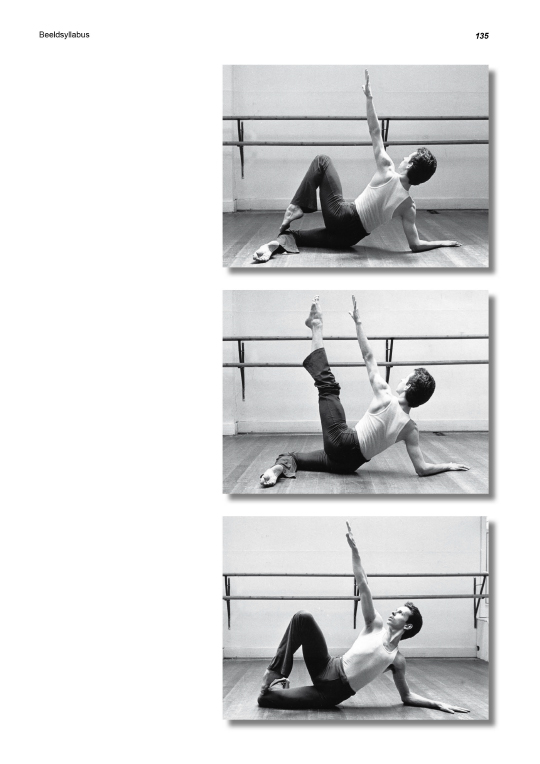


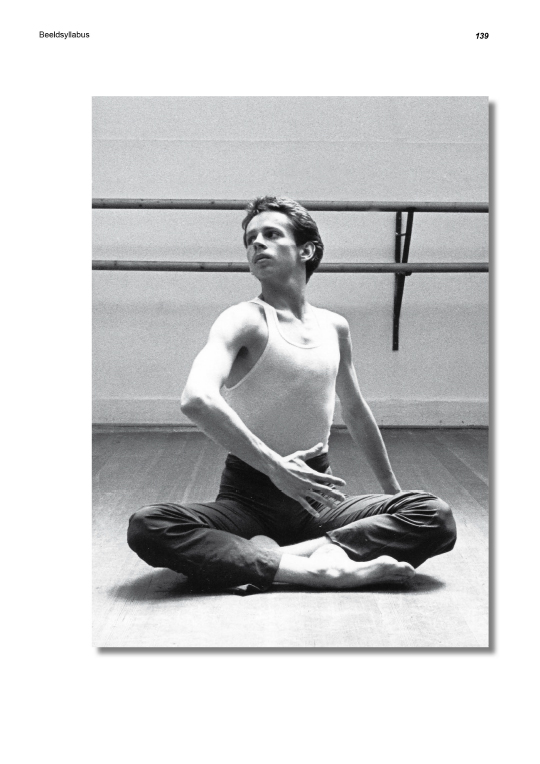
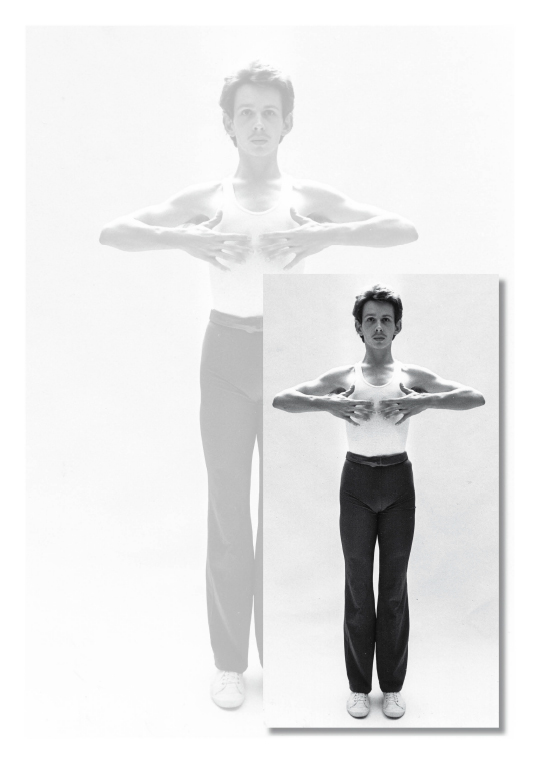


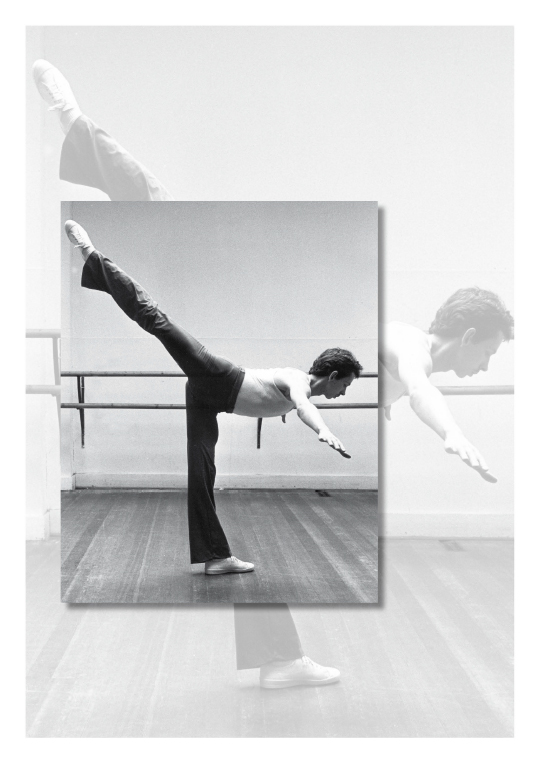
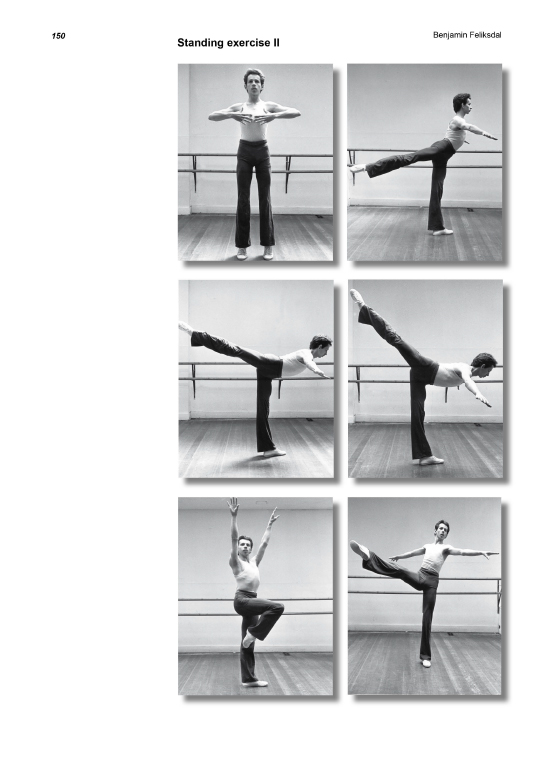
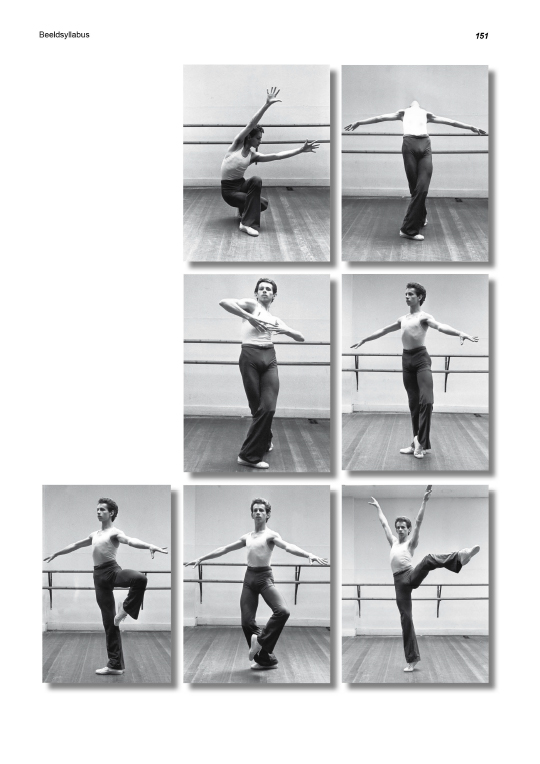
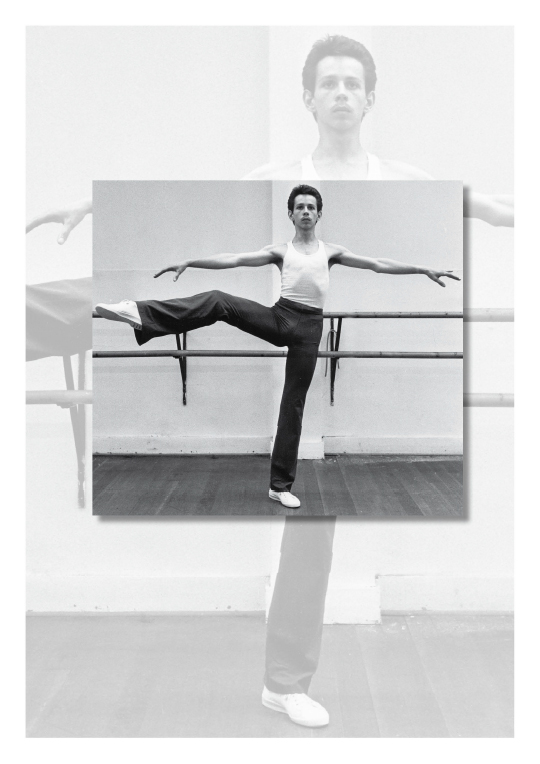
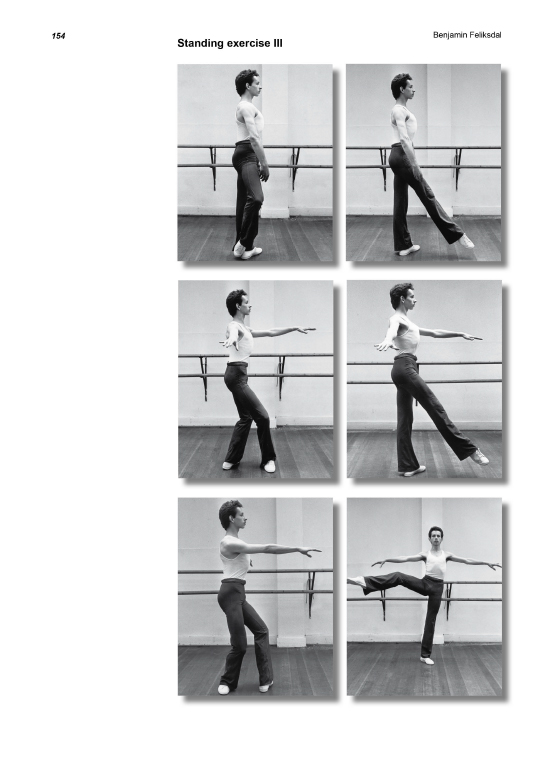


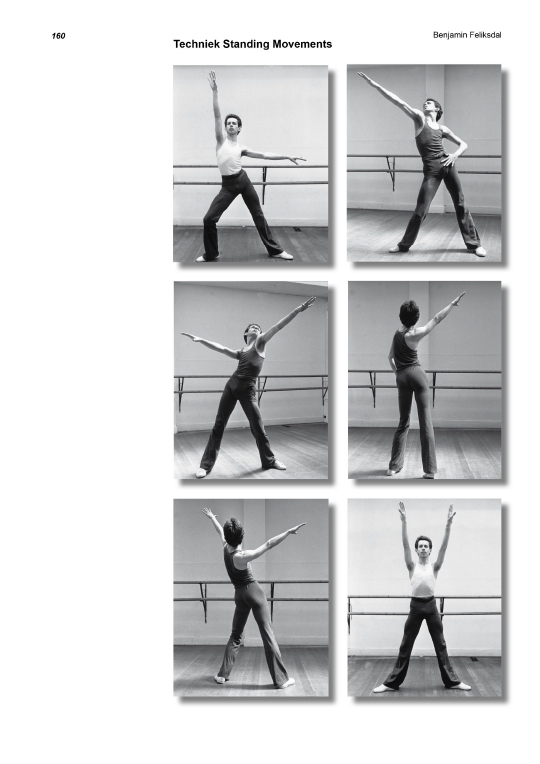


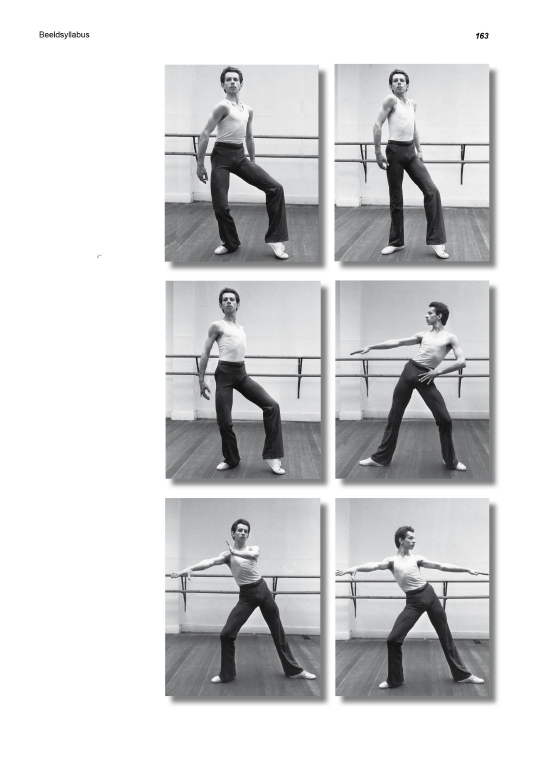
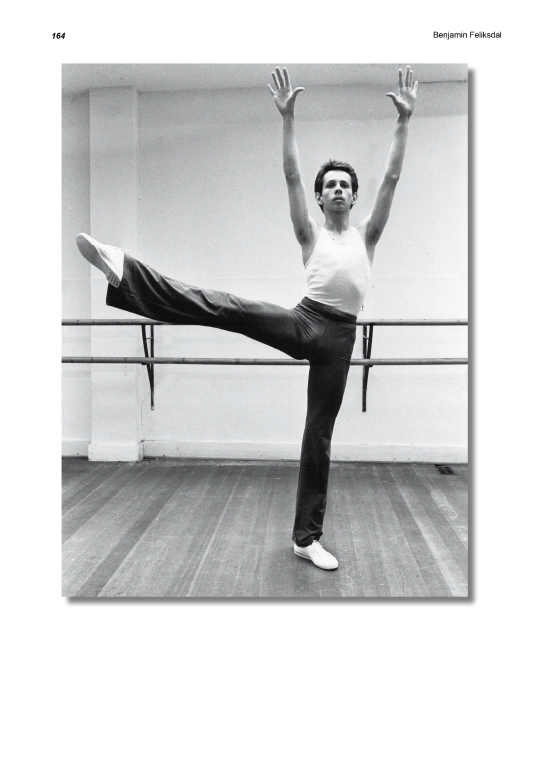
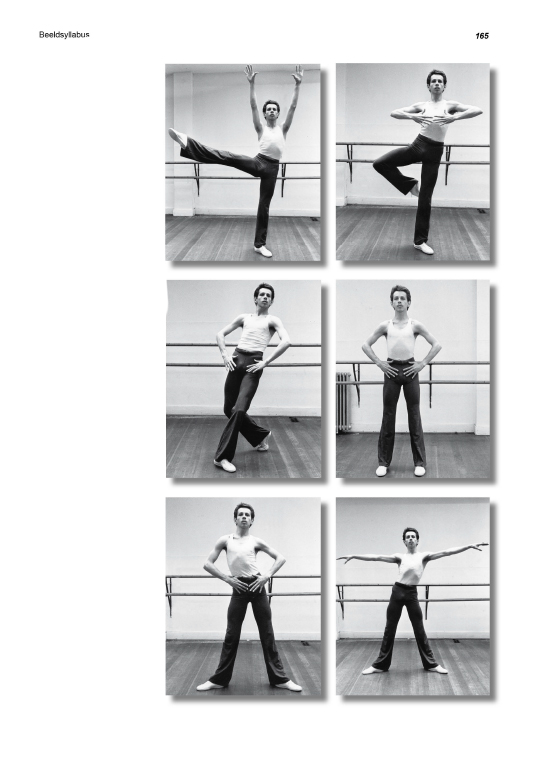
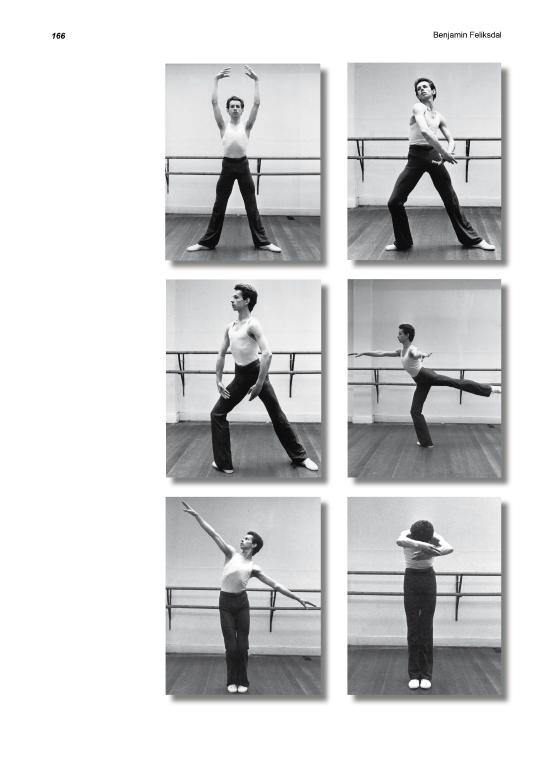

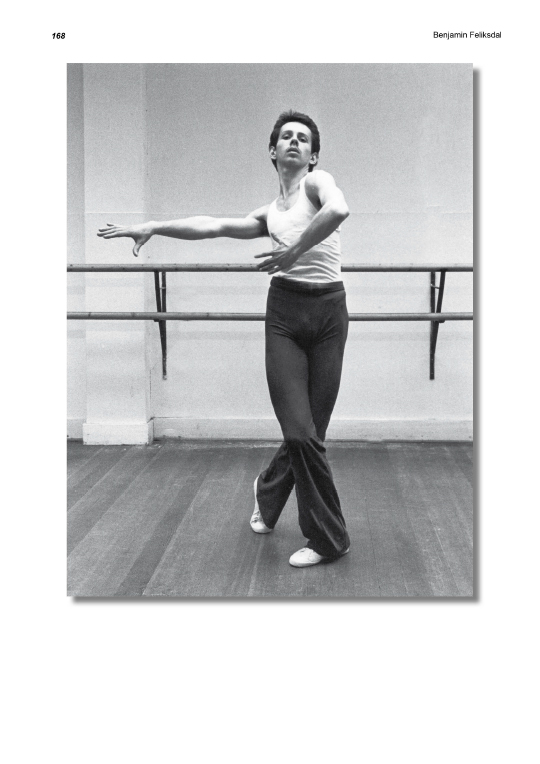

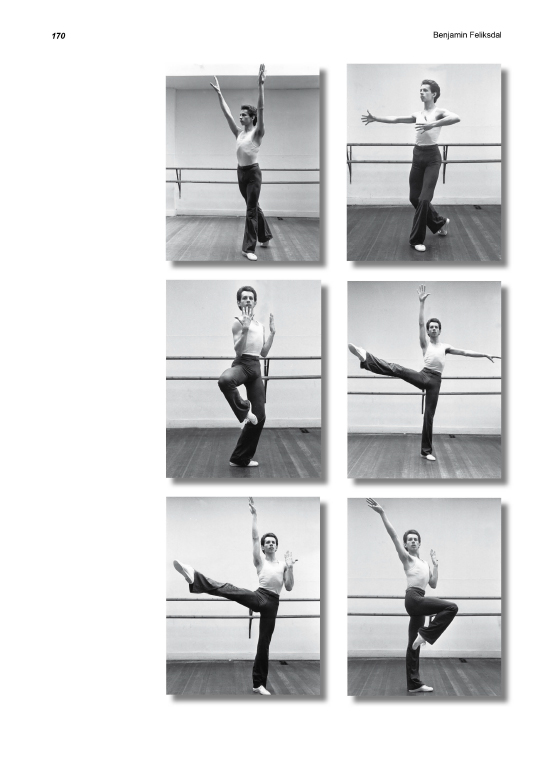


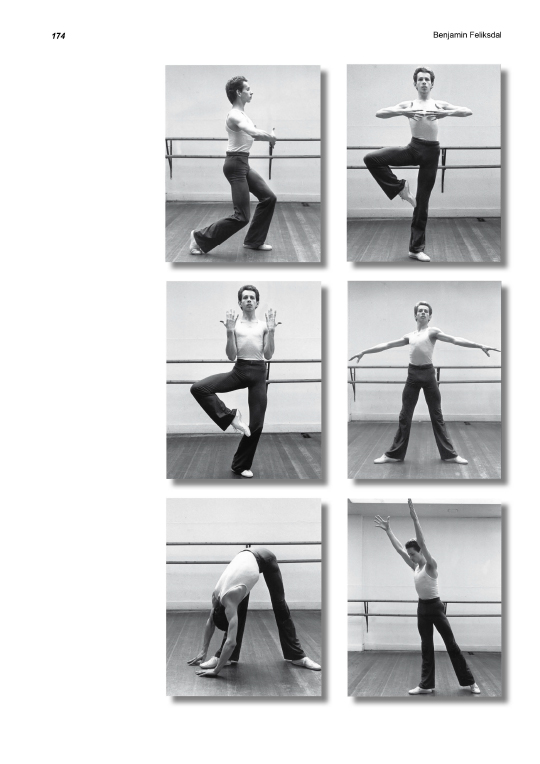
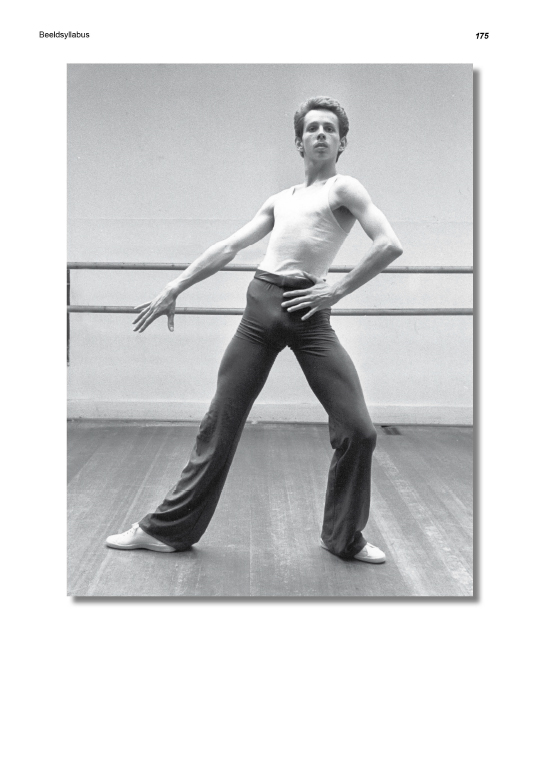
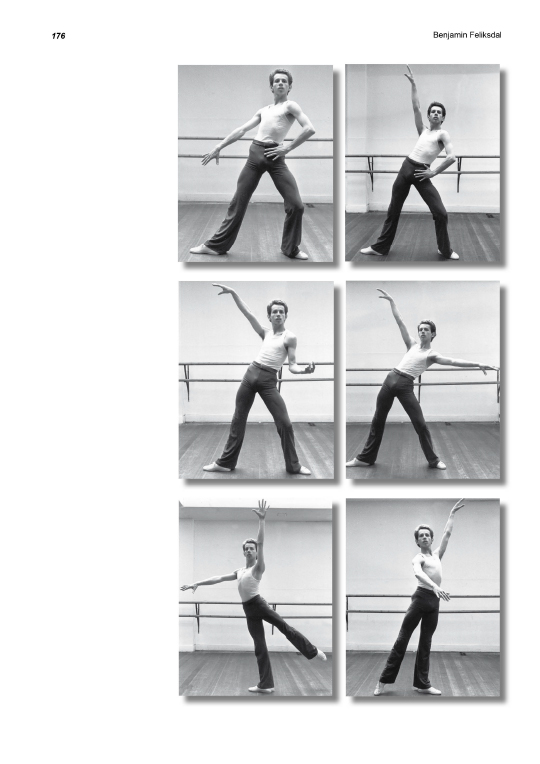


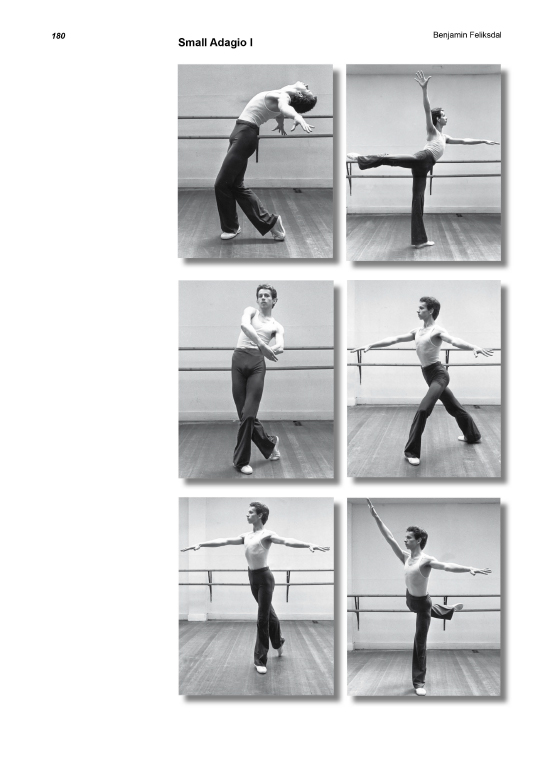
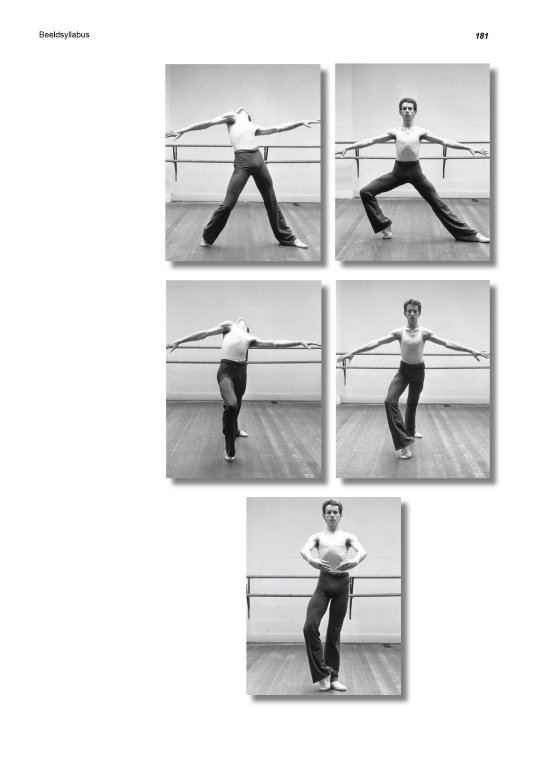


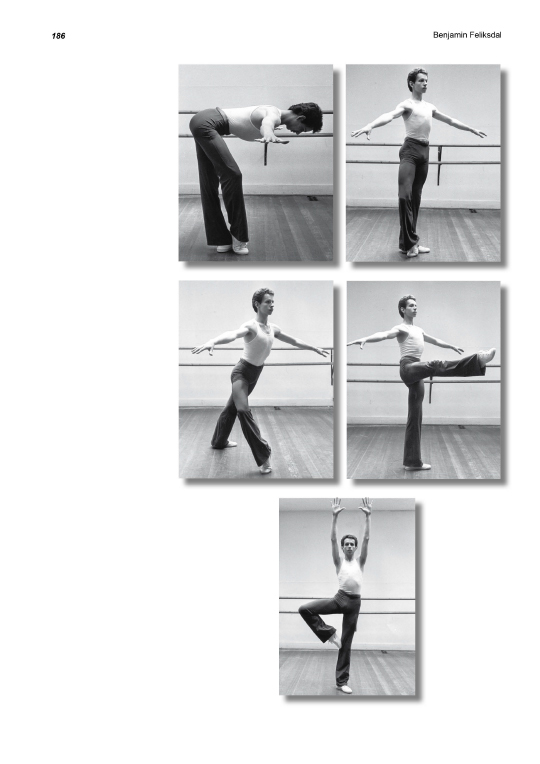
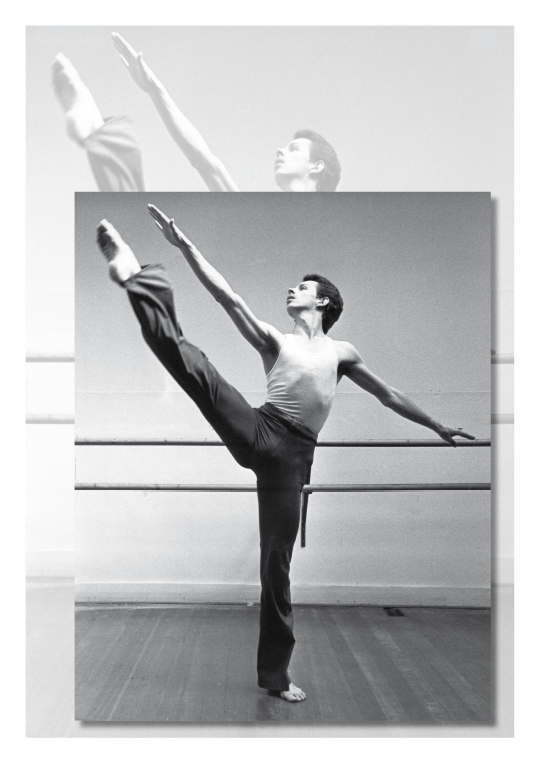

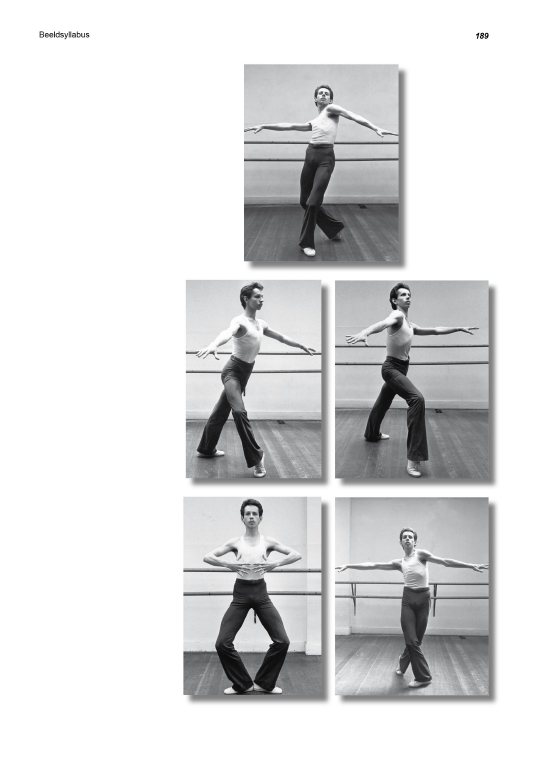



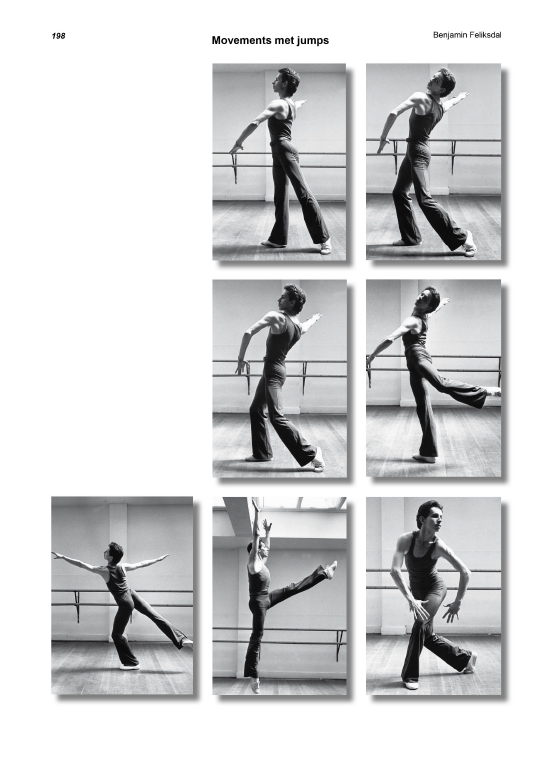


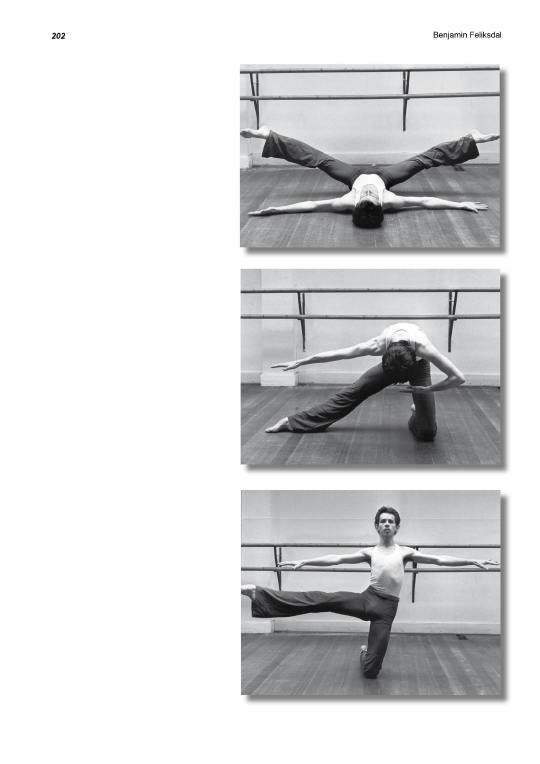


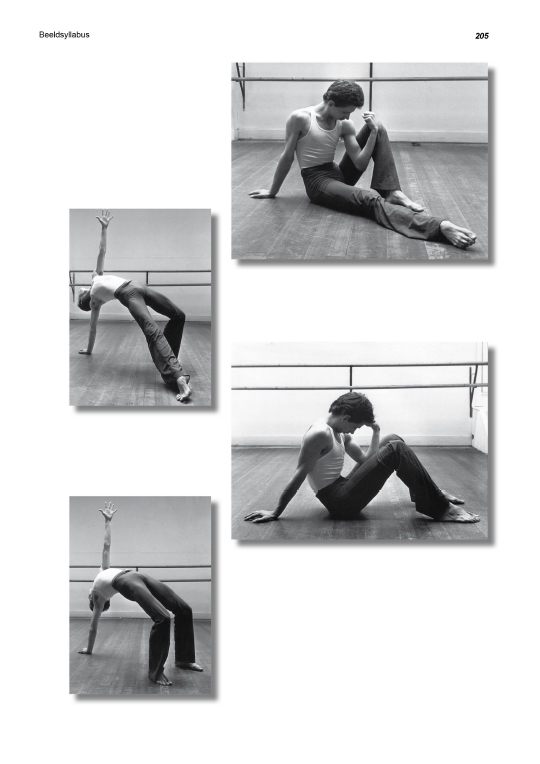
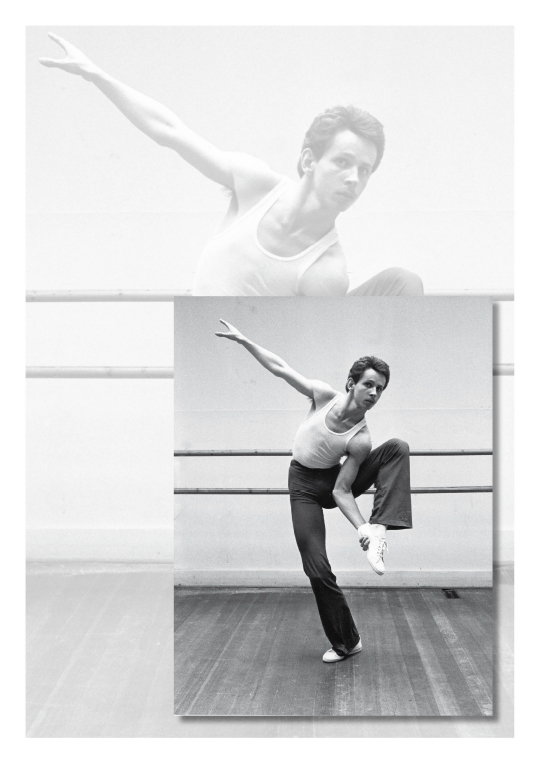
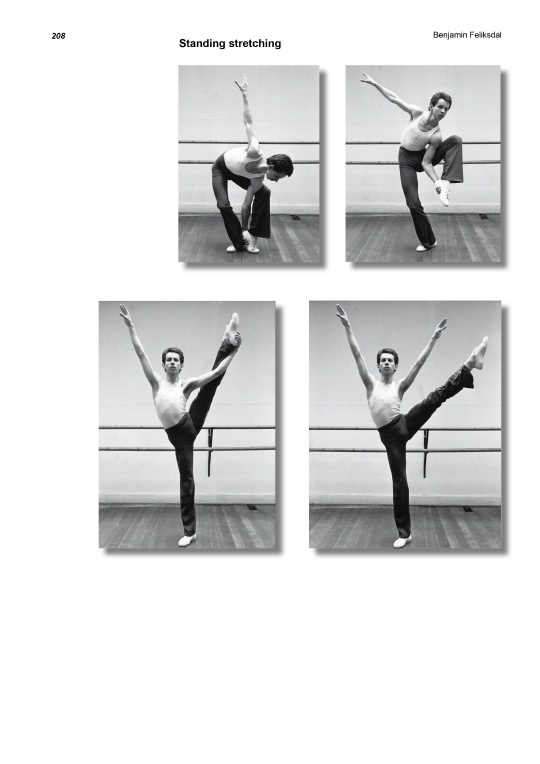


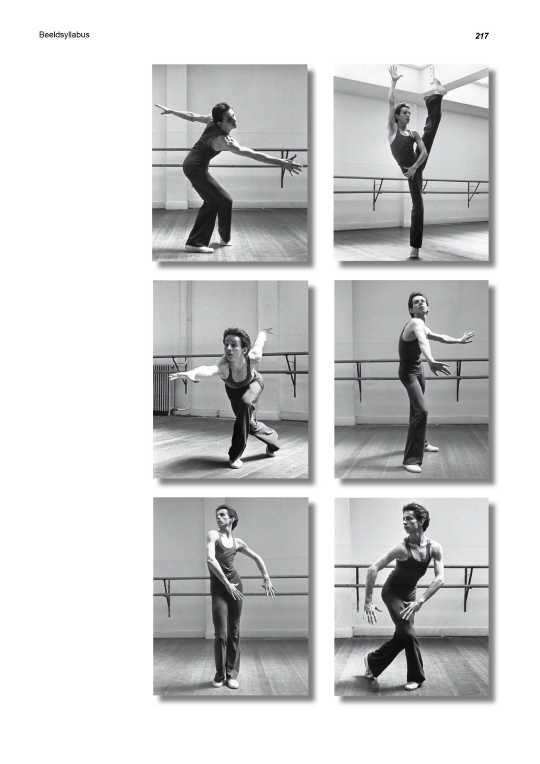
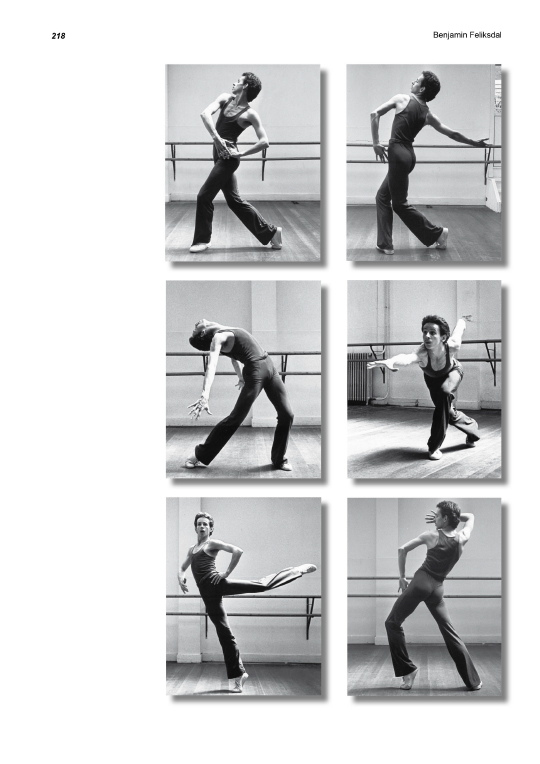


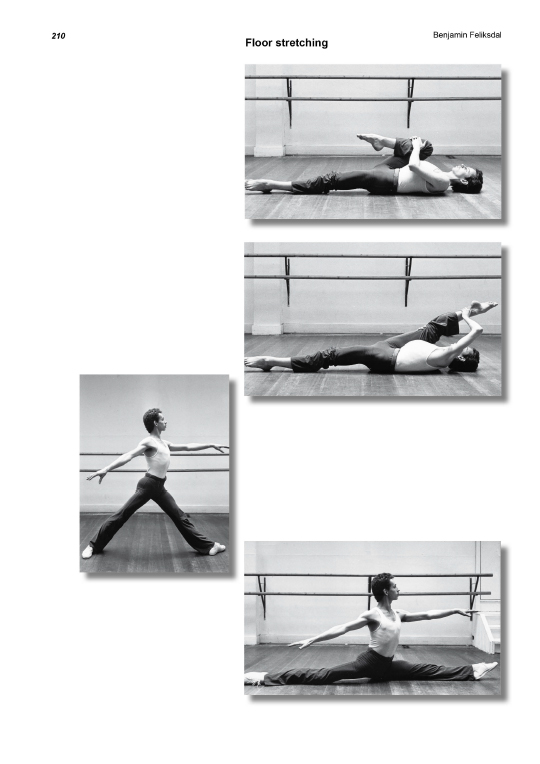

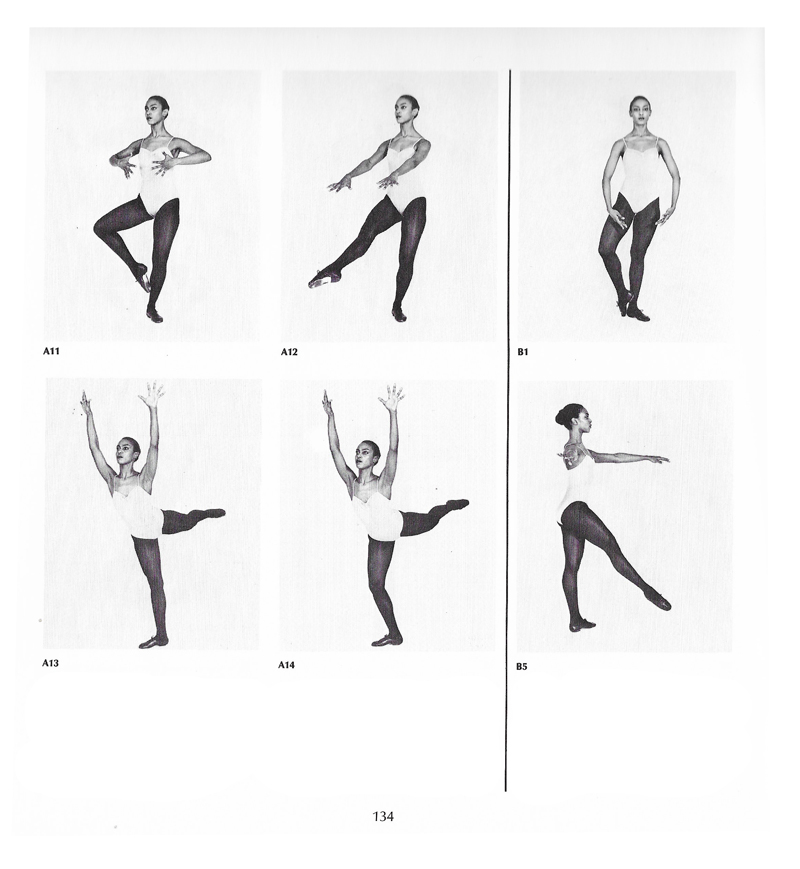
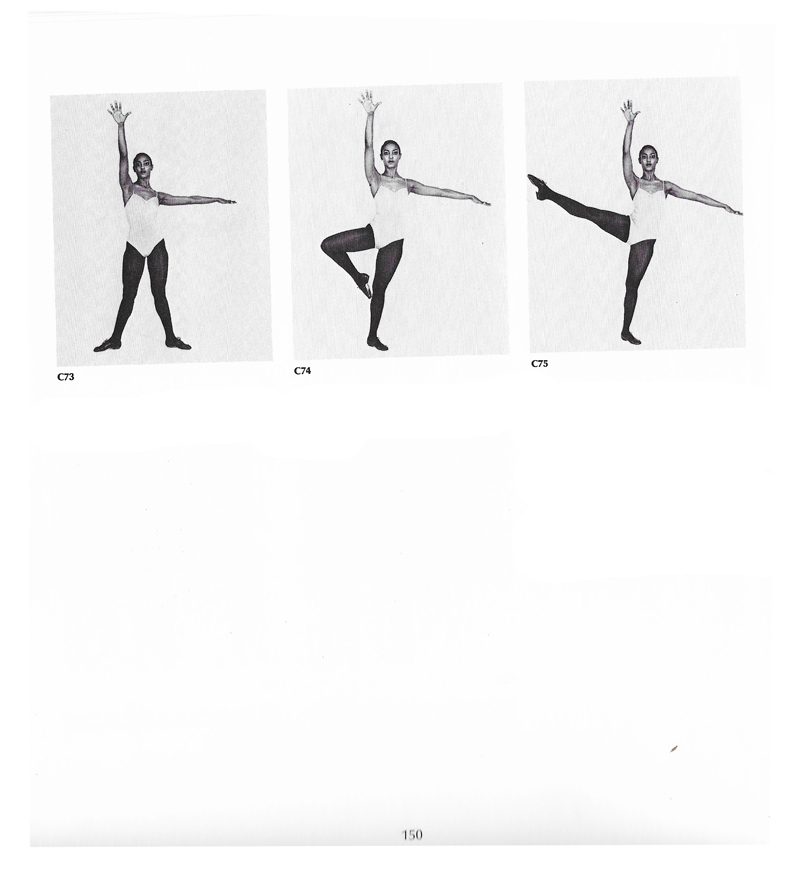
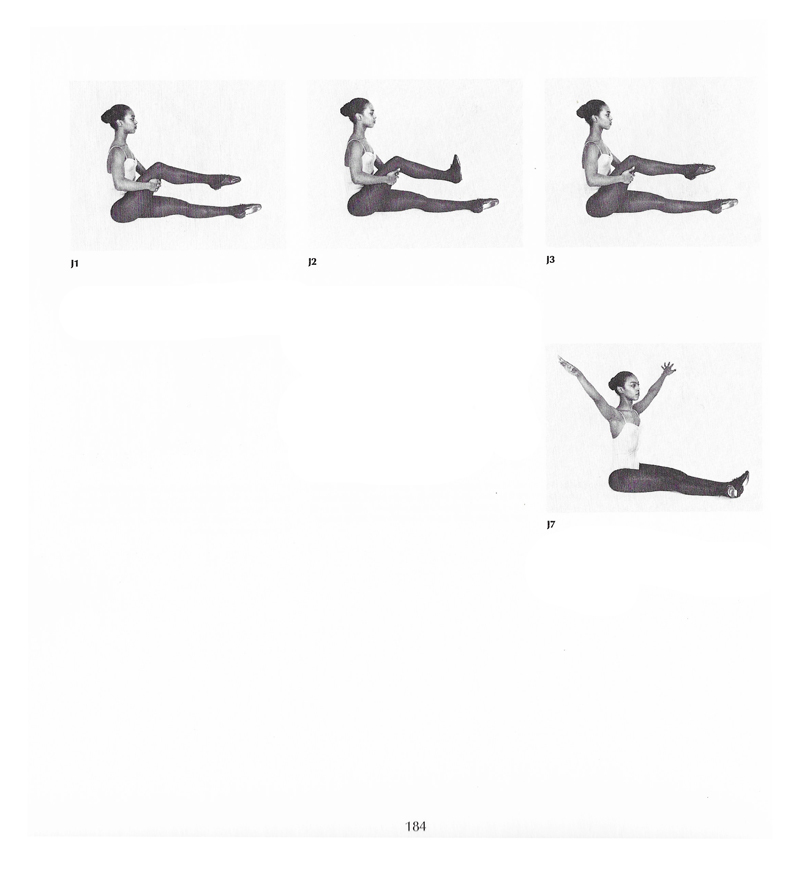
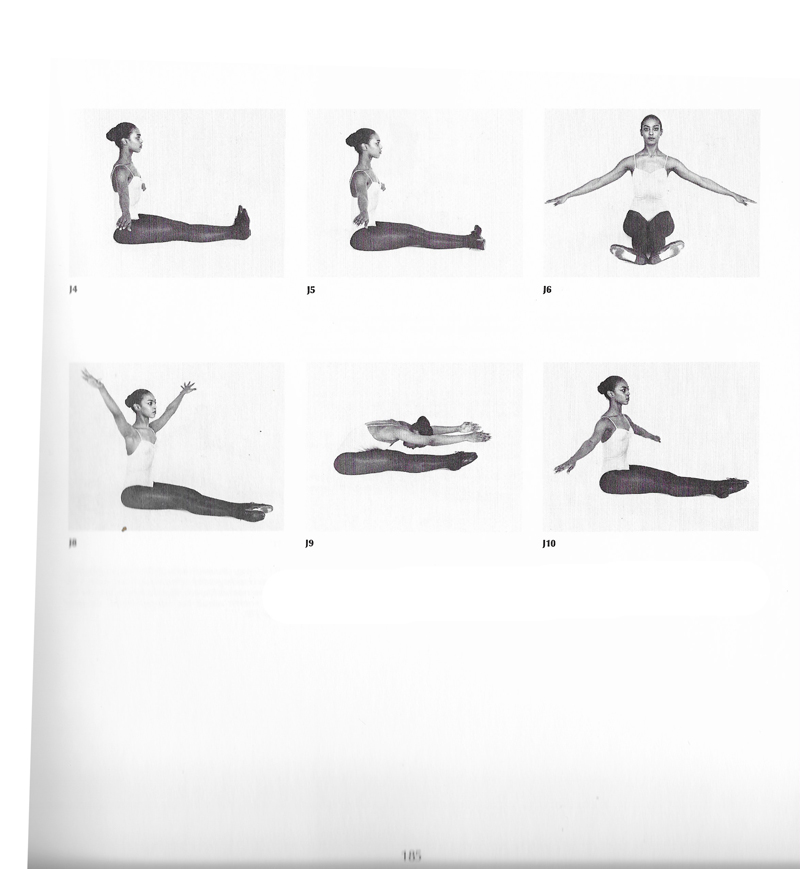
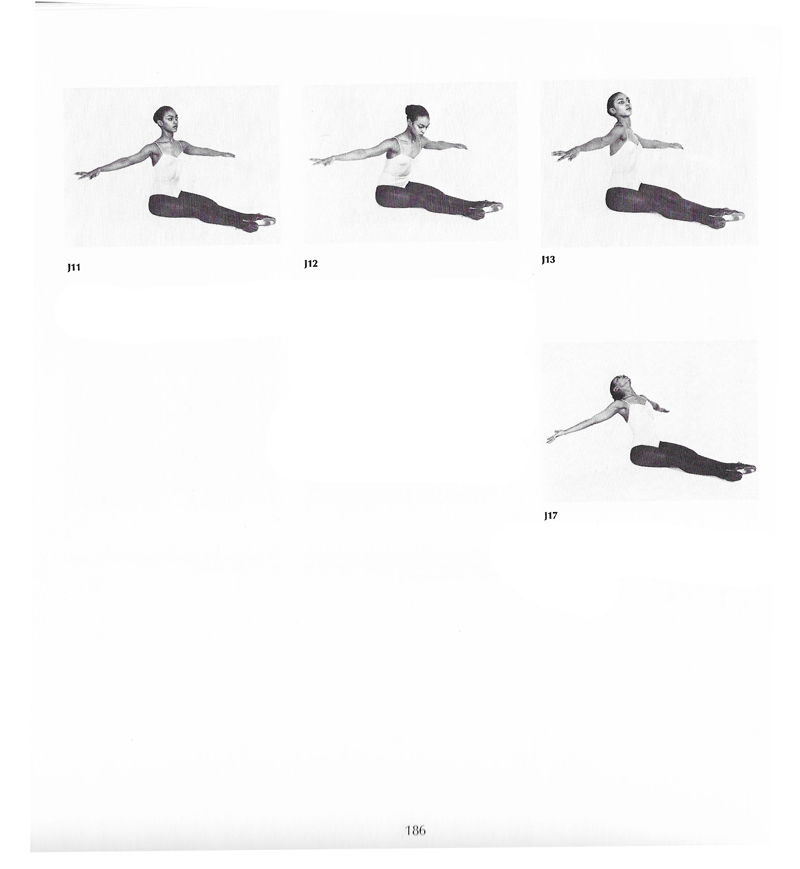
Fotografie:
Remko Barendregt
Dansers:
Tialda Goodijk
Marja Strutjens
Candice Richardson
Rob Brown









Please for information about Guest Teaching and availability for Jury Member (Competitions)
send E-Mail:
benjamin.feliksdal@outlook.com
© all rights reserved | published in 2020